Sony is considering launching PlayStation 6 with a more competitive price than previous generations
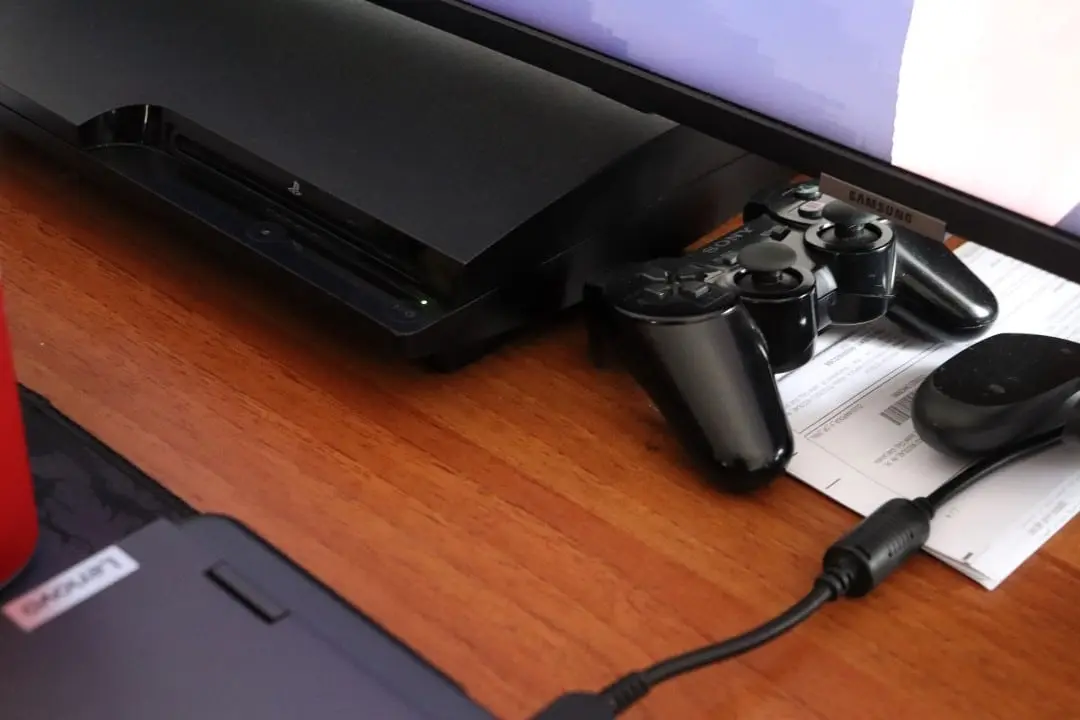
Sony is preparing the launch of the PlayStation 6 with a more aggressive pricing strategy than previous generations. Análises market indicators indicate that the company is considering offering the new console at a lower price range than expected, reflecting component cost pressures and the need to maintain competitiveness in a challenging economic scenario. The change represents an attempt to balance technological innovation with commercial viability in an increasingly saturated market.
Sony’s decision reflects a change in approach towards the PlayStation 5, which has faced criticism for high initial costs and availability issues. Diferentemente from previous speculations, the company does not rule out offering the PS6 in a significantly lower price range. Essa strategy seeks to reposition the brand in the face of growing alternatives such as PC gaming and cloud services, ensuring greater market penetration especially in emerging regions.
Histórico prices and evolution of generations
The PlayStation 4, launched in 2013, hit the market with a price of US$399, considered competitive at the time. The PlayStation 5, in 2020, was offered in two versions: the disc edition cost US$499, while the digital version cost US$399. The strategy faced market resistance due to high costs and chronic shortages of units during the first years of commercialization.
Global inflation and rising semiconductor prices have significantly impacted the cost of consoles over the past few generations. Porém, Sony appears to be seeking a different approach this time, investing in supply chain optimization and possible strategic partnerships. Essas measures can enable lower margins without compromising future profitability through alternative revenue models.
Estratégias to reduce production costs
Para achieves a more attractive price, Sony evaluates multiple operating strategies. One of them involves prioritizing profitability through subscription services like PlayStation Plus, rather than relying exclusively on hardware sales. Esse model allows you to sell the console close to the real cost or even below, recovering profits via subscriptions and sales of digital games.
- Otimização of the production chain through large-scale manufacturing and advanced automation.
- Integração artificial intelligence in console design for operational efficiency.
- Diversificação of hardware models with different specifications and price ranges.
- Utilização of mature chip manufacturing technologies with optimized architecture.
Investimentos in automation and manufacturing technologies can significantly decrease operating expenses. The company can also offer versions with different specifications to reach different audiences, from casual gamers to high-performance enthusiasts. Tecnologias mature chip manufacturing capabilities, combined with efficient architecture, reduce production costs compared to previous generations.
Reações of the market and expectations of the gaming community
The news about a possible price reduction for the PS6 generated mixed reactions among analysts and enthusiasts. Muitos see the move as a smart strategy to gain greater market share, especially in emerging regions. The gaming community shows great enthusiasm on forums and social networks, with intense discussions about the possibility of cutting-edge technology accessible to more consumers.
Leia Também

The absence of Neymar’s wedding ring in a New York club stirs social media during the Brazilian team’s break

Parachuting plane crash leaves eleven dead in northeastern France this Sunday

Financial analysis indicates that GTA 6 generated US$1 billion in the first hour of pre-sales
Analistas highlight that the perception of value is a crucial psychological element in the marketing of premium products. Oferecer competitive pricing generates natural word of mouth and increases brand loyalty. Essa strategy can strengthen the PlayStation 6’s positioning in a saturated market, where the initial purchase decision influences long-term adoption and engagement with the ecosystem.
Desafios technological and production feasibility
The PlayStation 6 faces high technological expectations. Avanços in graphics processing, integration of artificial intelligence in games, ultra-realistic ray tracing and instant loading are anticipated by the community. Porém, these innovations require substantial investments in research and development, impacting initial costs and profit margins.
Sony faces a critical dilemma: maintaining technological innovation while reducing the final price. Decisões on which technologies to prioritize, which to implement gradually and which to reserve for future models are strategic. Lições learnings from the PS5, particularly around supply chain challenges, inform current approaches. Otimizações in internal architecture, reduced energy consumption and efficient cooling systems reduce operating costs and are reflected in the final price offered to consumers.
PlayStation ecosystem and future positioning
The success of the PS6 depends not just on the hardware, but on the entire ecosystem. Exclusive gaming Biblioteca, PlayStation Plus service performance, backwards compatibility and content quality are critical factors. Sony has invested significantly in internal studios and developer acquisitions, ensuring a continuous flow of premium titles that justify the consumer’s initial investment.
The console’s pricing strategy represents part of a larger plan to consolidate PlayStation as the main destination for global gamers. Acessibilidade hardware, combined with robust services and exclusive content, creates an attractive ecosystem that transcends a simple entertainment machine. The console becomes a portal for immersive digital experiences, with guaranteed longevity through continuous updates and new features that maintain lasting relevance in a constantly evolving market.