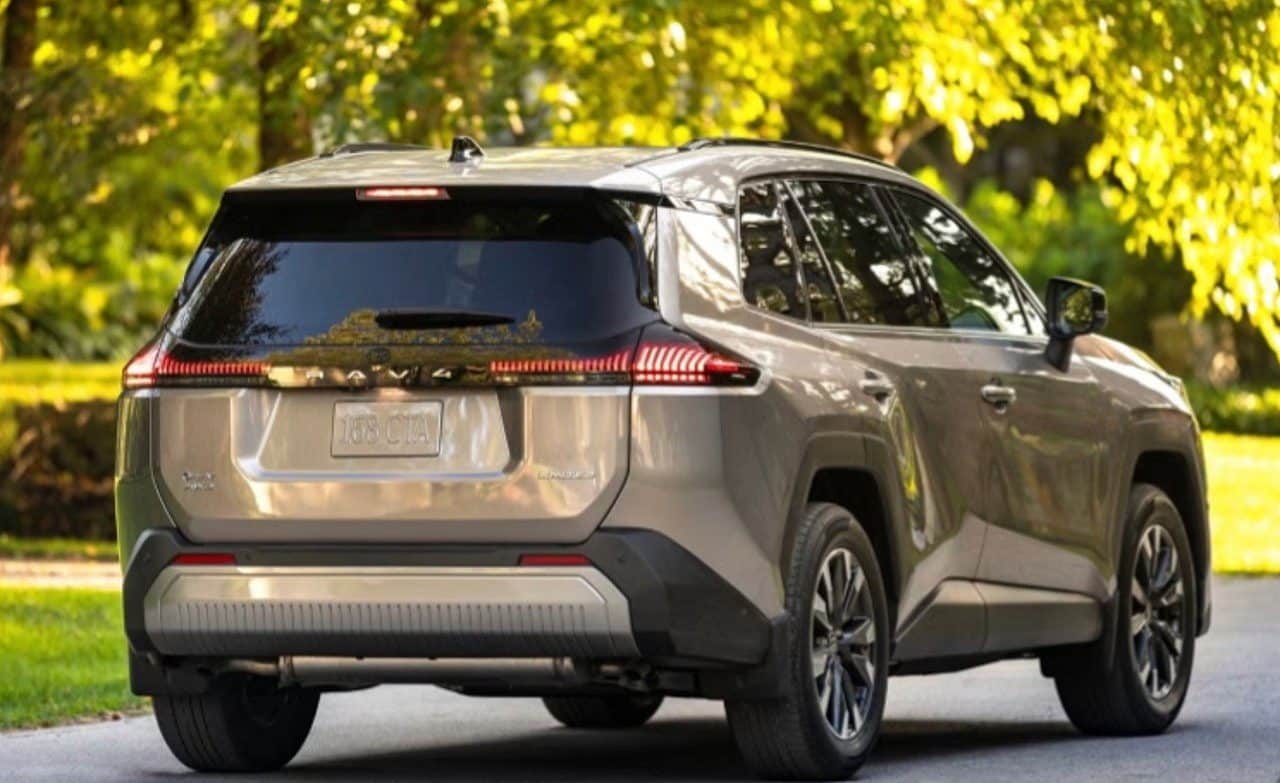
Toyota showed interest in developing a compact pickup truck derived from the RAV4, as revealed by Ted Ogawa, CEO of Toyota Motor North America, in an interview published this week. The executive recognized demand from the brand’s dealerships for a smaller and more accessible model, which would occupy space between SUVs and traditional-sized pickup trucks. The TNGA-K platform from the current RAV4 would be the ideal basis for this new vehicle.
Ogawa said he is “definitely” excited about the compact pickup opportunity, following questions about Toyota’s potential expansions into the commercial segment. The project is still in the strategic evaluation phase, but the concessionaires have already signaled urgency for the offer. A pickup based on the RAV4 would represent a direct challenge to the Ford Maverick, a model that has consolidated this market niche since its launch.
Plataforma TNGA-K as technical foundation
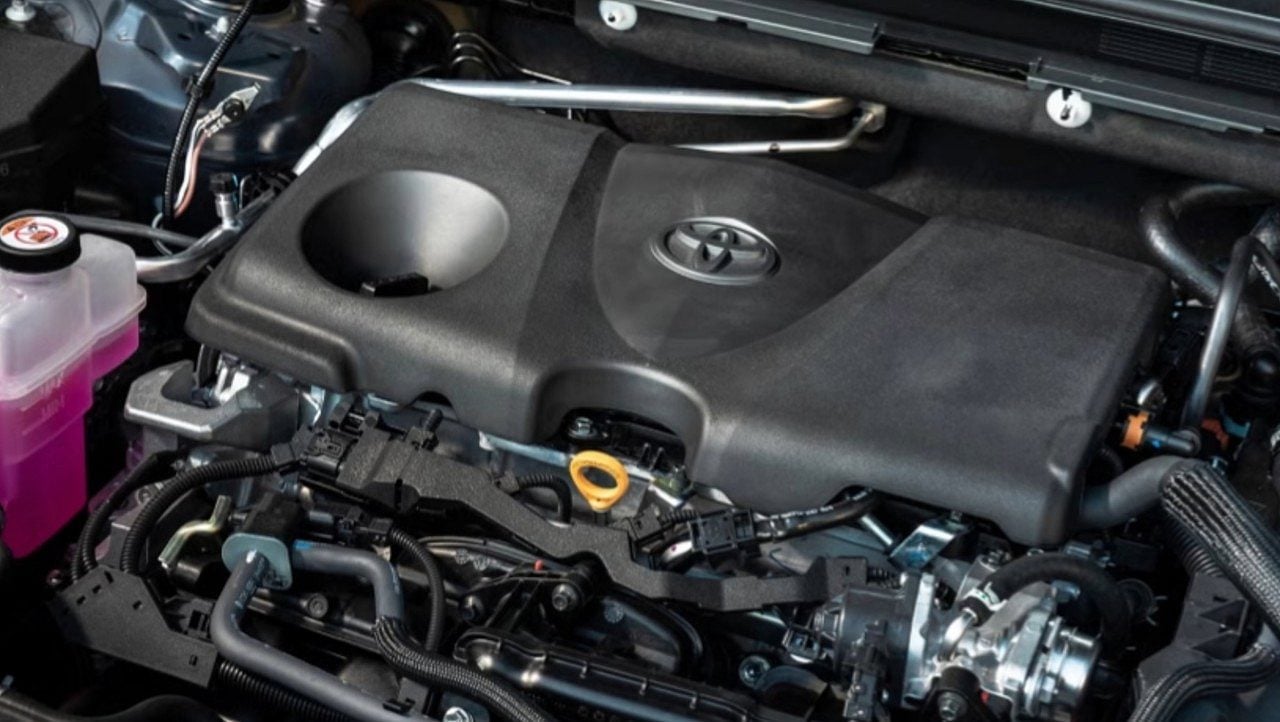
The RAV4 uses the TNGA-K platform, developed specifically for compact and midsize vehicles. Essa structure offers design flexibility and allows adaptations to different body configurations. A pickup truck derived from this base would result in a comfortable, fuel-efficient and highly maneuverable vehicle, while maintaining the versatility of a functional truck bed.
The unibody structure, combined with the modular platform, would be acceptable in the compact pickup truck segment. Diferentemente of full-size body-on-frame pickup trucks, buyers of smaller models don’t demand extreme cargo capacity. Assim, the unibody design would gain approval from the target audience.
Demanda of dealerships and market opportunity
Toyota dealers express continued interest in a smaller pickup model. The compact pickup truck market grew significantly following the success of the Ford Maverick, which proved commercial viability for this segment. The Japanese brand recognizes that it leaves revenue opportunities by not competing in this category.
Ogawa signaled that development will take time and is not an immediate priority. Porém, admitted that “maybe they say we need it today or tomorrow, but it takes time” — suggesting serious evaluation of the project in a medium-term schedule. Requests from concessionaires act as internal pressure to accelerate conceptual studies.
Hybrid Motorização as a competitive differentiator
Toyota has extensive experience in hybrid systems and can take advantage of this technological advantage. The hybrid engine in the current RAV4 generates 226 horsepower and offers superior fuel efficiency. A compact pickup equipped with this engine would surpass the Ford Maverick in fuel economy, as the Maverick uses hybrids, but with less optimized consumption.
The integration of hybrid technology in a compact pickup truck would represent a competitive differentiator. The public seeking savings without sacrificing utility capacity would find an attractive proposition. Além Additionally, the Toyota could offer conventional turbo engines for customers who prefer traditional performance.
Estratégia versus Ford Maverick and competitive segment
The Ford Maverick consolidated a new category by sharing a platform with crossovers such as Escape and Bronco Sport. Esse model proved that buyers accept monocoque structures in compact pickup trucks when the price and consumption justify it. The Toyota would arrive with the advantage of a consolidated brand and an extensive dealer network.
Confira the main technical data expected for a compact Toyota pickup truck:
- Plataforma: TNGA-K (shared with RAV4)
- Motorização: Híbrido with 226 hp
- Estrutura: Monobloco with integrated body
- Segmento: premium compact Picape versus Ford Maverick
- Caçamba: Reduced Dimensões, optimized for urban use
- Manobrabilidade: Melhorada in relation to larger pickup trucks
Honda Ridgeline, the biggest competitor in the premium pickup truck segment, does not operate in the compact niche. Isso leaves the market open for direct competition between Toyota and Ford, without immediate pressure from third parties. Entretanto, other brands may consider similar launches as the category expands.
Timing and next steps in Toyota evaluation
Development is in the exploratory phase. The company collects market data, conducts research with potential customers and assesses financial viability. Ogawa made it clear that the final decision depends on careful analysis of demand, profitability and alignment with long-term objectives.
If approved, the project would follow a typical automotive development timeline, with an initial concept in 2-3 years and a possible launch in 5-7 years. Contudo, pressure from utilities and proven success of Maverick could accelerate the internal agenda. Enquanto That’s right, the Toyota continues to dominate the midsize pickup truck segment with the Tacoma, which significantly outsells rivals like the Ford Ranger and Honda Ridgeline.