Chery anticipates rival with Omoda 4 hybrid for R$ 120 thousand in 2026 By Carolina Costa
4 min read
 |
Chinese manufacturer Chery confirmed the launch of Omoda 4 on Brasil for the fourth quarter of 2026, with a starting price of R$120,000. The hybrid compact SUV arrives on the market to directly face consolidated models such as Fiat Pulse, Renault Kardian and Volkswagen Tera. The commercial strategy focuses on full hybrid traction technology at a significantly lower price than the established competition, seeking to gain share in the compact SUV segment, one of the most dynamic in the national automotive market.
Precificação aggressively repositions compact segment
The Omoda 4 will be offered between R$120,000 and R$140,000, creating a significant price differential compared to direct competitors. The hybrid Fiat Pulse Impetus costs R$ 151,490, while the Renault Kardian Iconic costs R$ 149,990 and the Volkswagen Tera Highline for R$ 146,190. The Toyota Corolla Cross, another hybrid in the segment, is sold for over R$160,000. The reduction of up to R$30,000 compared to rivals represents a significant competitive advantage for buyers sensitive to the initial investment.
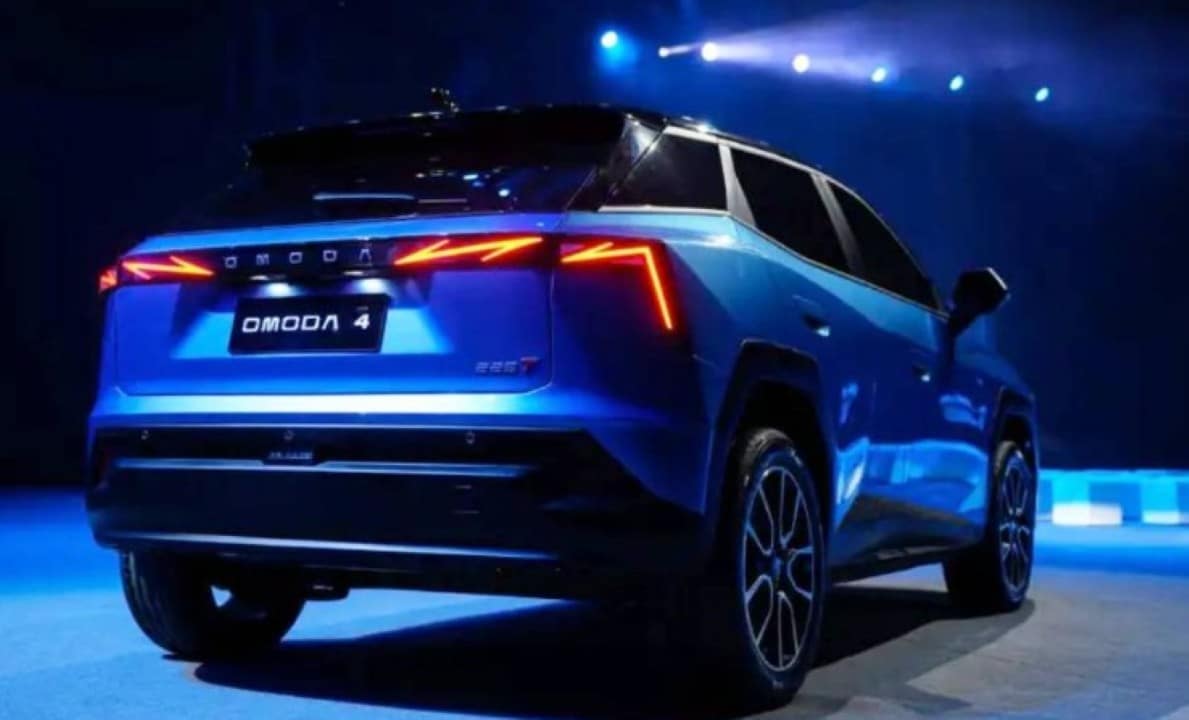
Essa price difference forces traditional automakers to review pricing structures or add additional technical differences to maintain competitiveness. The model promises a full hybrid mechanical package similar to that of the Corolla Cross, but with a lower entry price than all the rivals mentioned, changing consolidated dynamics in the segment.
Motor hybrid with superior torque in the compact segment
The Omoda 4 combines a 1.0 three-cylinder turbo engine with an electric motor, totaling 130 horsepower. The technical difference is in the torque: the forecast is 225 Nm (22.9 kgfm), positioning the model as the compact SUV with the highest torque available in the segment. Essa feature offers real advantage in acceleration, load capacity and vehicle response under different usage conditions.
The full hybrid system works without the need for external recharging, unlike plug-in hybrids. The technology automatically manages the distribution of energy between the combustion and electric engines according to the conditions of use, optimizing fuel consumption and reducing emissions. Essa approach offers energy efficiency without requiring proprietary charging infrastructure, facilitating large-scale adoption.
Design inspired by Lamborghini Urus elevates value perception
Classified as a compact Apesar, the Omoda 4 has generous dimensions that bring it closer to higher category SUVs. At 4.40 meters long, it offers more internal space than direct rivals, improving comfort and practicality for occupants and cargo. The design was inspired by the Lamborghini Urus, featuring aggressive LED headlights and interlocking taillights that convey visual sophistication.
The front panel combines horizontal lines with wide proportions, conveying security and visual presence. Inside, a vertical multimedia center stands out, positioned next to the digital instrument panel, following contemporary design trends. Equipamentos in the most complete versions include an electronic parking brake and leather-covered seats, adding a perception of quality to the cabin.
Fabricação local to Itatiaia reduces costs and increases competitiveness
Chery chose to manufacture the Omoda 4 locally to maintain competitive prices and increase sales volume. Assembly will take place on a CKD basis (Completely Knocked Down) at the JLR factory in Itatiaia, Rio from Janeiro, which will be transferred to Chinese operation soon. Essa localization strategy reduces import costs and taxes, allowing aggressive pricing without compromising operating margins.
- National Produção qualifies the model for tax benefits and financing programs aimed at vehicles manufactured in Brasil.
- Infraestrutura already existing in the region accelerates the process of adapting the production line.
- Localização facilitates access for the end consumer and consolidates the Chinese brand’s presence in the national automotive market.
The localization approach is a common strategy among Chinese manufacturers seeking to consolidate their presence in Brasil, reducing exchange rate risks and increasing logistical efficiency.
Dinâmica’s competitive segment intensifies with Chinese entry
The arrival of the Omoda 4 intensifies competition in the compact SUV segment, which represents a significant share of the national automotive market. The entry of a Chinese brand with full hybrid technology at an affordable price signals a change in consolidated market dynamics. Established Montadoras that offered mild hybrid or just pure combustion face the challenge of resegmenting their lines and reviewing commercial strategies to maintain share.
Para consumers, the Omoda 4 represents an opportunity to access more efficient traction technology at a reduced cost. The reduction in fuel consumption in the full hybrid standard gradually compensates for the initial investment, making the proposal economically attractive in the long term. The model not only competes on price, but also on prestige associated with the design inspired by a European luxury manufacturer, creating a differentiated value proposition in the compact SUV segment.