Paraguay’s Santiago Peña faces impeachment vote amid resignation reports By Luís Henrique Costa
5 min read
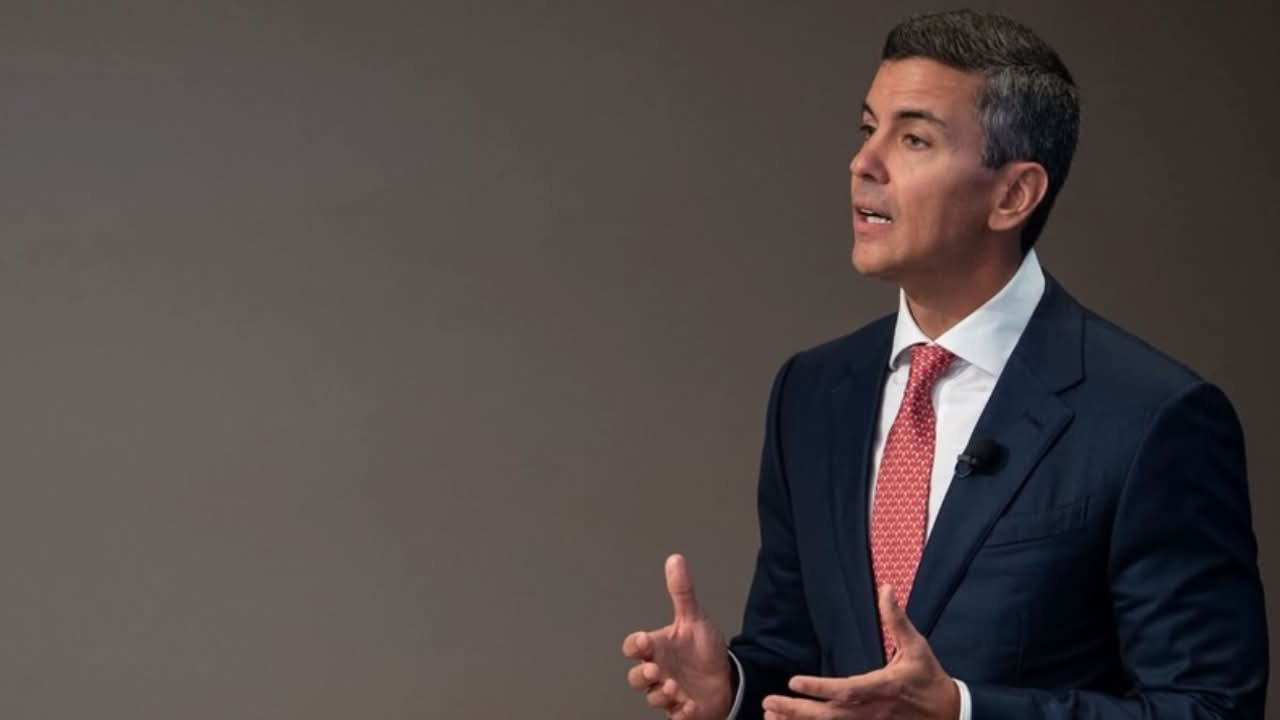 |
Reports that Paraguayan President Santiago Peña had resigned spread on Thursday, November 5, 2026, while the Chamber of Deputies in Asunción debated an impeachment request against him. Sources disagreed on whether the step had been completed, and no official confirmation had been published.
The Colorado Party, led by Horacio Cartes, said Peña would send his resignation to Congress and that Vice President Pedro Alliana should take over the presidency. The political crisis grew out of the closure of Ueno Bank, which the Central Bank of Paraguay ordered for insolvency.
Sources split over whether Peña has left office
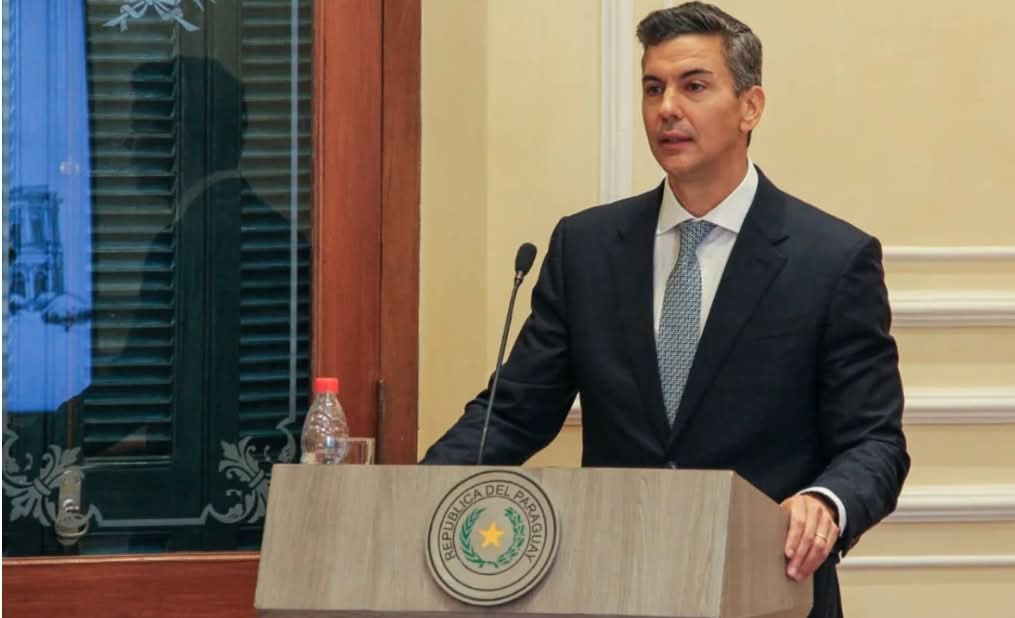
On Wednesday (4), the presidency denied rumors that Peña would step down and said in a statement that he remained in office. Later on Thursday, the president of the Chamber, Raúl Latorre, said Peña had told him he would not resign and would face the process in Congress.
A live report from a Paraguayan newspaper later said Peña had recorded a message announcing his resignation at midday. Congress president Basilio Núñez said unofficially that he had heard the document had been signed, but he added that any resignation would require a joint session of both chambers.
Under Paraguayan rules, Congress decides whether to accept a resignation, and Peña must file the request formally with the legislature. If Congress rejects it, the impeachment process already opened against the president can continue. No source has recorded the document reaching Congress.
Deputies open debate on the impeachment charge sheet
The Chamber held an extraordinary session to examine the impeachment request against Peña. The request accuses the president of conflict of interest, regulatory manipulation, exceeding credit limits, unlawful financial gain and damage to confidence in the financial system.
The session is the first formal step. In Paraguay, the charge sheet must be approved by a vote in the Chamber before it moves forward. Sources disagree on the outcome: one says the Chamber approved opening the impeachment, while the others describe the session as the start of the debate with no completed vote.
According to that same source, the ANR ‘A’ bloc confirmed its support for the charge sheet, and the ANR ‘B’ bloc had already announced unanimous backing. ANR is the Asociación Nacional Republicana, the formal name of the Colorado Party. Together, those votes would pass the two-thirds required in the Chamber.
Vote thresholds and key figures in the impeachment case
- Session location: Asunción, Paraguay
- Session start: 10h, Brasília time
- Authors of the request: 35 deputies
- Chamber majority needed to approve the charge sheet: two-thirds of those present, equal to 53 of 80 deputies
- Senate votes needed to remove the president: 30 of 45 senators
Ueno Bank collapse: the days that led to the crisis
- 3 de novembro de 2026: the Central Bank of Paraguay orders the resolution of Ueno Bank for insolvency and suspends its operations.
- After the resolution, the Public Ministry asks for a criminal investigation of the bank and the arrest of two executives. A court orders preventive detention for Miguel Vásquez, one of Ueno Bank’s founders.
- Carlos Carvallo leaves the presidency of the Central Bank after the crisis. Sources say he resigned after Peña asked him to, but the exact date was not reported.
- 4 de novembro de 2026: the presidency denies rumors that Peña would resign.
- 5 de novembro de 2026: the Chamber opens the extraordinary session on the impeachment request.
- 5 de novembro de 2026: the Colorado Party announces that Peña will present his resignation to Congress.
- 5 de novembro de 2026: the opposition in the Senate says it will vote to remove Peña and reject any attempt at resignation.
The Central Bank justified the measure by citing insolvency, a situation in which a financial institution cannot meet its obligations. Its solvency ratio fell to 5.56%, against a required minimum of 12%, according to the regulator’s review. The bank had suspended its operations and started the procedure to wind down the digital bank.
Peña is an economist by training and was a shareholder of Ueno Holding until March 2025, a company linked to the group that controls the bank. The opposition uses that tie as the basis of its accusation against the president. The collapse hits Peña directly because he heads the state and the government, and he is expected to lead the response to the crisis.
Central Bank caps refunds at 40 minimum wages
The Central Bank of Paraguay informed the limit of compensation for clients affected by the resolution: up to 40 minimum wages. The bank’s board said about 97% of savings accounts would be fully covered by the guarantee fund, according to a preliminary estimate.
The Central Bank said the legal deadline to pay guaranteed deposits is 15 days from the resolution, which can be extended by another 15 days. The sources reviewed do not describe how clients should request the payment, so the newsroom cannot explain the procedure.
Bank’s client base reached about three million people
The Ueno Bank was the largest digital bank in Paraguay. Reports put its client count at more than three million, and it served about 40% of the Paraguayan population. The bank’s own figures show 2,941,996 clients in June 2026.
That size explains why the bank’s resolution became a political crisis, not only a banking one. The president’s tie to Ueno Holding, which he left in March 2025, became the center of the accusation in the Chamber.
What remains unconfirmed about the resignation and the succession
It is still unknown whether the resignation was formally presented to Congress and whether the legislature will accept it. There is also no final result for the vote on the charge sheet in the Chamber. If the request is approved, the case moves to the Senate, which needs 30 of 45 votes to remove the president, and the opposition there has said it will vote for removal.
No official confirmation has been published on Alliana taking office. An outlet cited by local press reported that Antonio Barrios was the favorite for the vice presidency, but that was not confirmed officially. Accusations of illicit enrichment and influence peddling against Peña appear in only one source. The Chamber must still vote on the charge sheet, and the time and result of that vote had not been announced.