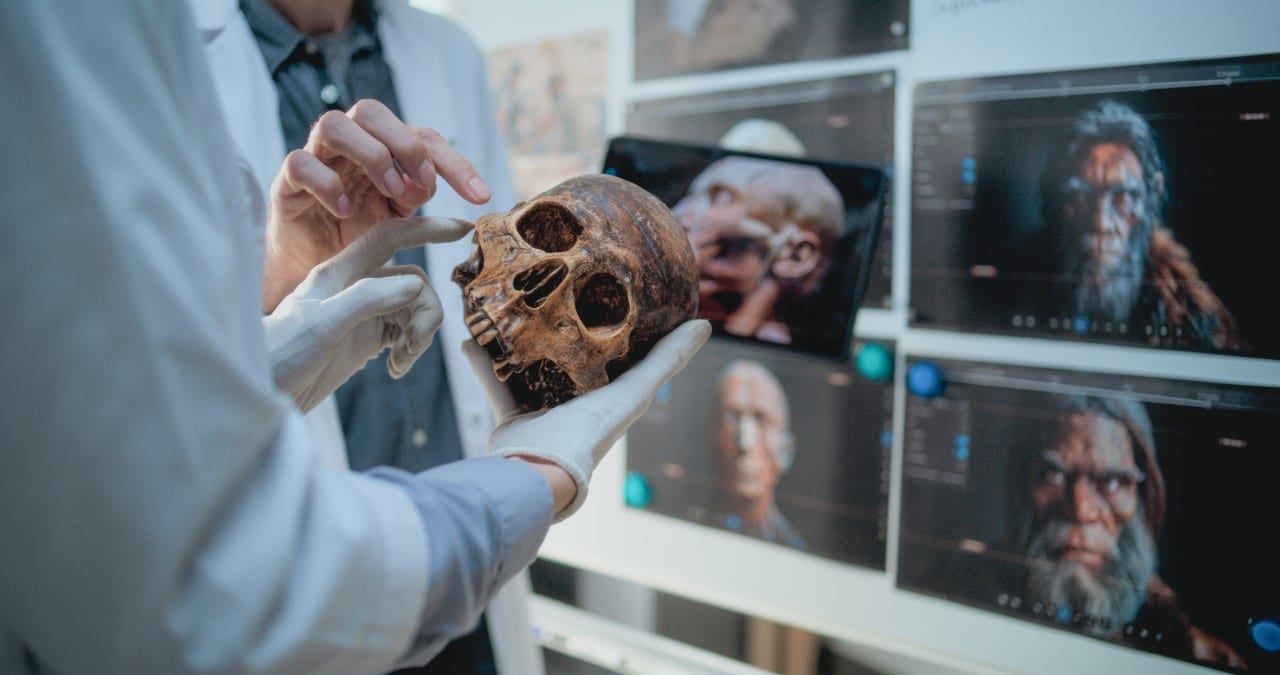
A dental fossil discovered at a European archaeological site shows marks of intentional manipulation with a lithic instrument, showing that Homo neanderthalensis performed dental procedures more than 130 thousand years ago. Microscopic analysis reveals strategically positioned grooves on the dental crown, compatible with scaling and plaque cleaning techniques. The find transforms the understanding of the cognitive and behavioral capabilities of this extinct species, challenging consolidated assumptions in the scientific community about the level of Neanderthal sophistication.
Microscopic Marcas proves the intentionality of the procedure
Pesquisadores used scanning electron microscopy to accurately map lesions on tooth enamel. The pattern of the marks does not correspond to natural wear or accidental trauma. The strictures left by the stone instrument are concentrated exclusively in the area affected by the carious lesion, suggesting anatomical knowledge and premeditation of the Neanderthal individual.
Comparações with marks left by known Neanderthal tools confirmed compatibility with flint and quartz utensils. Archaeologists replicated the movements using replicas of Paleolithic lithic tools and obtained patterns identical to those observed in the fossil. Experimental reproduction validated the hypothesis of deliberate rather than accidental manipulation, eliminating alternative interpretations about the origin of the lesions.
The presence of fossilized tartar deposits around the lesion provided information about the individual’s oral health and diet. Análise chemistry of mineral residues allowed inferences about the plant- and meat-based diet, revealing aspects of Neanderthal everyday life.
Contexto archaeological and precise dating of the specimen
The fossil was recovered in a systematic excavation that mapped multiple stratigraphic layers. Datação by radiocarbon and associated methods established a minimum age of 130 thousand years. The depth of deposition at the site and associated cultural artifacts confirm contemporaneity with Neanderthal populations of Pleistoceno Médio, a period of occupation well documented at Europa.
The site contained evidence of recurrent occupation with fragments of worked bone, campfire remains and various utensils. The concentration of material indicates that the site served as a base camp or medium-long term shelter. Registros stratigraphic data indicate a temperate to cold climate during the period of occupation, with associated fauna including woolly mammoth and woolly rhinoceros, confirming the paleoenvironmental context.
Implicações for Neanderthal cognition and behavior
The dental procedure demonstrates complex cognitive abilities in this extinct species. The action reveals a perception of connection between cause and effect, precise application of a tool in a specific location on the body and possible understanding that manipulating the injury would reduce physical discomfort.
- Percepção connection between action and consequence in problem solving
- Capacidade to apply tool precisely to a specific location on the body
- Compreensão that manipulation of the lesion would reduce discomfort and pain
- Presença of chronic pain as a motivator of adaptive behavior
- Memória of learning obtained through practice or observation of other individuals
Investigadores emphasize that these findings do not imply a formalized medical system among Neanderthals. The procedure is explained as a pragmatic response to immediate physical discomfort. Ainda thus, the ability to execute the action denotes planning and refined manual dexterity, characteristics associated with advanced behavioral intelligence.
Evolutionary Perspectiva and comparison with Homo sapiens
Homo anatomically modern sapiens occupied Europa only after the Neanderthal extinction, approximately 40 thousand years ago. The oldest fossils of dental treatment in Homo sapiens date back just 15 thousand years. Nessa chronological perspective, the Neanderthal finding significantly expands the temporal window for the origin of medical behaviors in the human lineage, positioning Neanderthals as pioneers in therapeutic practices.
Comparações with non-human primates reveals that wild chimpanzees occasionally explore wounds with objects, but without demonstrated therapeutic intent. The sophistication of the Neanderthal procedure is at a different level. Neuroimagem from reconstructed Neanderthal brains indicates brain volume comparable to or greater than that of modern humans, although with differences in regional structure that still defy definitive interpretations of relative cognitive abilities.
Validação scientific and future prospects
Multidisciplinary Análise involved experts in paleontology, dental pathology, experimental archeology and geology. Revisão peer-reviewed submitted the findings to rigorous scrutiny before publication. Raw Dados, including microscopy images and precise measurements, were made available in an open repository for independent verification, ensuring methodological transparency.
Interpretive Alternativas were systematically tested and discarded. Padrões from chewing wear were differentiated from those observed in the specimen. Lesão post-mortem was eliminated due to the integrity of the mineral matrix. Accidental Trauma during collection was excluded by the detailed excavation records. Pesquisadores warn that a single case does not establish a population pattern, but future findings of Neanderthal teeth with similar manipulation patterns will confirm whether the practice was widespread or episodic.