James Webb Telescope reveals unprecedented details of galaxy devoured by black hole
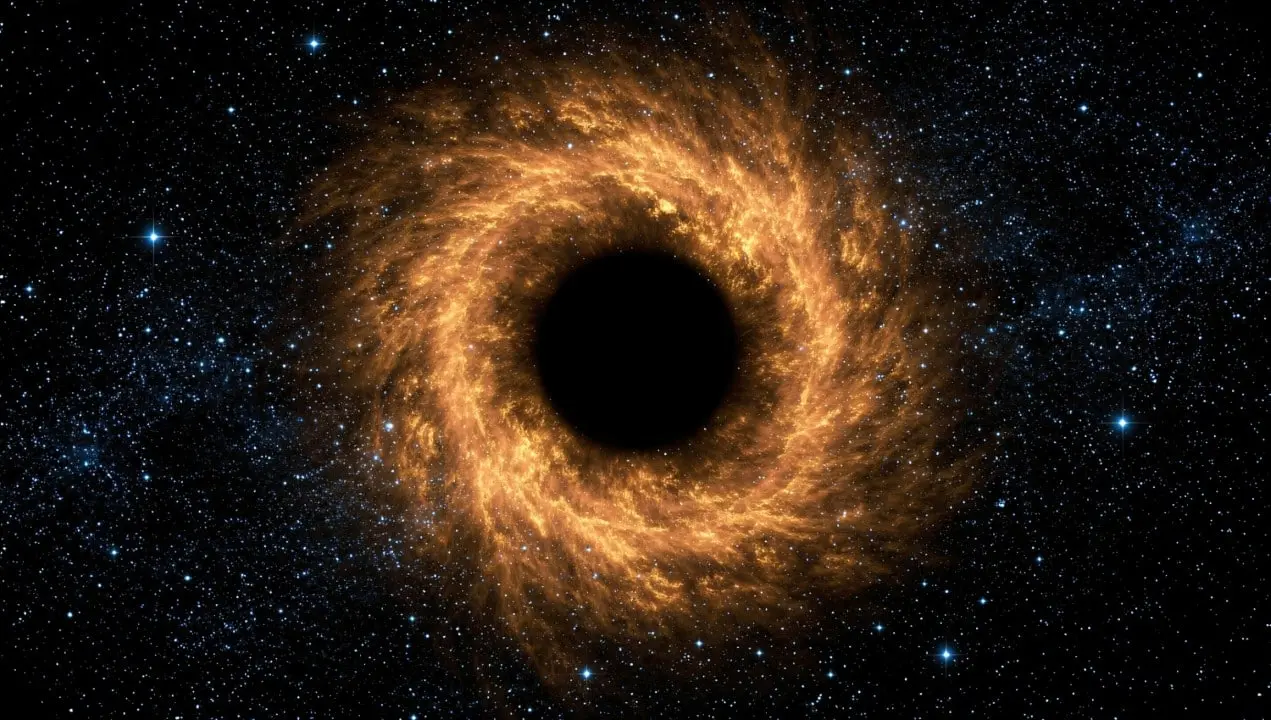
Telescópio Espacial James Webb captured an unprecedented image of the violent core of the galaxy Messier 77, located 45 million light-years away in the constellation Cetus. The photograph reveals the devastating power of a supermassive black hole consuming matter at extraordinary speed. The telescope’s infrared instrument was able to penetrate dust and gases that obscure the region, exposing details never before seen by science.
The discovery marks a significant advance in understanding active galactic nuclei. Embora astronomers have known about the existence of these phenomena for decades, Webb’s technology offers resolution and sensitivity not possible with previous instruments. The image was released this week and has already become a reference among the international scientific community.
Black Hole Poder in Action
The core of Messier 77 shines brightly because the black hole there devours material at an accelerated pace. Gás, dust and star fragments continually fall towards the gravitational abyss. Esse process releases colossal amount of energy in form of infrared, ultraviolet and x-ray radiation. Webb has detected spectral signatures that indicate the speed and temperature of these materials before they cross the point of no return.
The galaxy hosts a central object estimated to be millions of times the mass of Sol. Estruturas of gas swirl around you in complex patterns. Fluxos of material escapes perpendicular to the galactic disk, thrown by the magnetic force generated by the vortex. Esses relativistic jets reach speeds close to that of light.
Instrumentos infrared revolutionizes observation
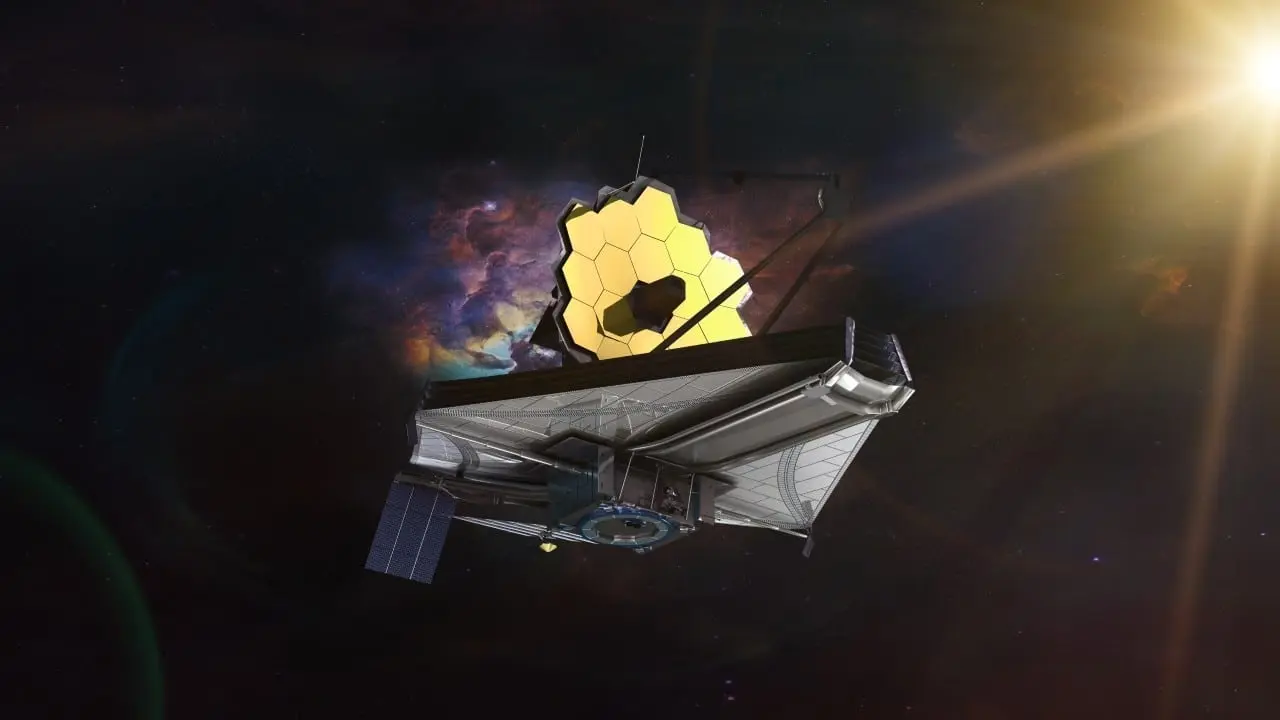
The James Webb operates primarily in the infrared range of the electromagnetic spectrum. Infrared Luz pierces clouds of cosmic dust that block the view of conventional optical telescopes. Therefore, obscure regions of Messier 77 finally became visible to astronomers. Detalhes’s submillimeter structures now appear with clarity impossible decades ago.
Desde its launch in December 2021, Webb revolutionized observational astronomy. The telescope operates approximately 1.5 million kilometers from Terra, at the Lagrange L2 point. Seu 6.5 meter diameter primary mirror, made of gold-coated beryllium, collects light from extremely distant and faint objects. Instrumentos spectrographs and infrared cameras break down radiation into measurable components.
Relevância for understanding galaxies
Active galactic Núcleos occur in a significant percentage of the galaxies in the universe. Cientistas theorize that almost every large galaxy hosts a central, often sleeper, black hole. Messier 77 provides a natural laboratory for understanding how black holes influence galactic evolution. Material ejected by the jets can heat intergalactic gas, affecting star formation on a galactic scale.
Leia Também

Where to watch South Africa vs Canada live at the 2026 FIFA World Cup

Saudi Aramco aircraft crash results in 14 deaths near oil terminal in Saudi Arabia

Portuguese newspaper criticizes Cristiano Ronaldo’s performance in Portugal’s draw; Diogo Costa is elected highlight
The image also reveals dust structures that frame the black hole. Anéis and filaments trace lines of magnetic force. Ionization Regiões glow in specific colors depending on the chemical elements present. Oxigênio, nitrogen, neon and other heavy elements leave spectral marks identifiable by Webb.
Comparação with previous observations
Previous Telescópios detected Messier 77, but with limited resolution. Imagens of Hubble and other instruments showed the nucleus as a blurry bright spot. Webb resolves individual structures within hundreds of light years of the black hole. Diferenças temperature, density and chemical composition now appear mapped with unprecedented precision.
The observations confirm theoretical models developed years ago. Simulações computational predictions of flow patterns have now gained observational confirmation. Astrônomos compared spectrographic data with predictions and found remarkable agreement. Esse alignment reinforces current understanding of supermassive black hole dynamics.
Próximas scientific investigations
Astrônomos plans future campaigns with Webb focused on active galactic cores:
- Mapear chemical composition of gases in the accretion disk
- Medir flow velocities using Doppler spectral effect
- Comparar different stages of activity in multiple galaxies
- Investigar formation of relativistic jets
- Estudar role of magnetic fields in accretion processes
The image of Messier 77 represents just the beginning of systemic exploitation made possible by James Webb. Centenas of active galactic nuclei awaits detailed observation. Dados collected will contribute to comprehensive evolutionary models that connect black holes to the fate of entire galaxies over billions of years.