Apple’s supply chain has begun manufacturing components for a variable aperture camera system. The equipment will integrate the iPhone 18 Pro photographic set. The device is expected to launch on the global market in September 2026. Três partner companies are already operating on Asian assembly lines to guarantee the necessary volume of parts. The hardware change represents a significant change in the optical engineering of the brand’s smartphones.
Sunny Optical and Luxshare ICT take over the production of the physical actuators. South Korean LG Innotek prepares specific machinery for the final assembly of the modules. The industrial schedule foresees the delivery of finished parts between June and July of the launch year. The strategic move seeks to reduce the technical distance in relation to cutting-edge devices manufactured by Asian competitors. Analistas from the technology sector monitor the production flow to confirm the final product specifications.
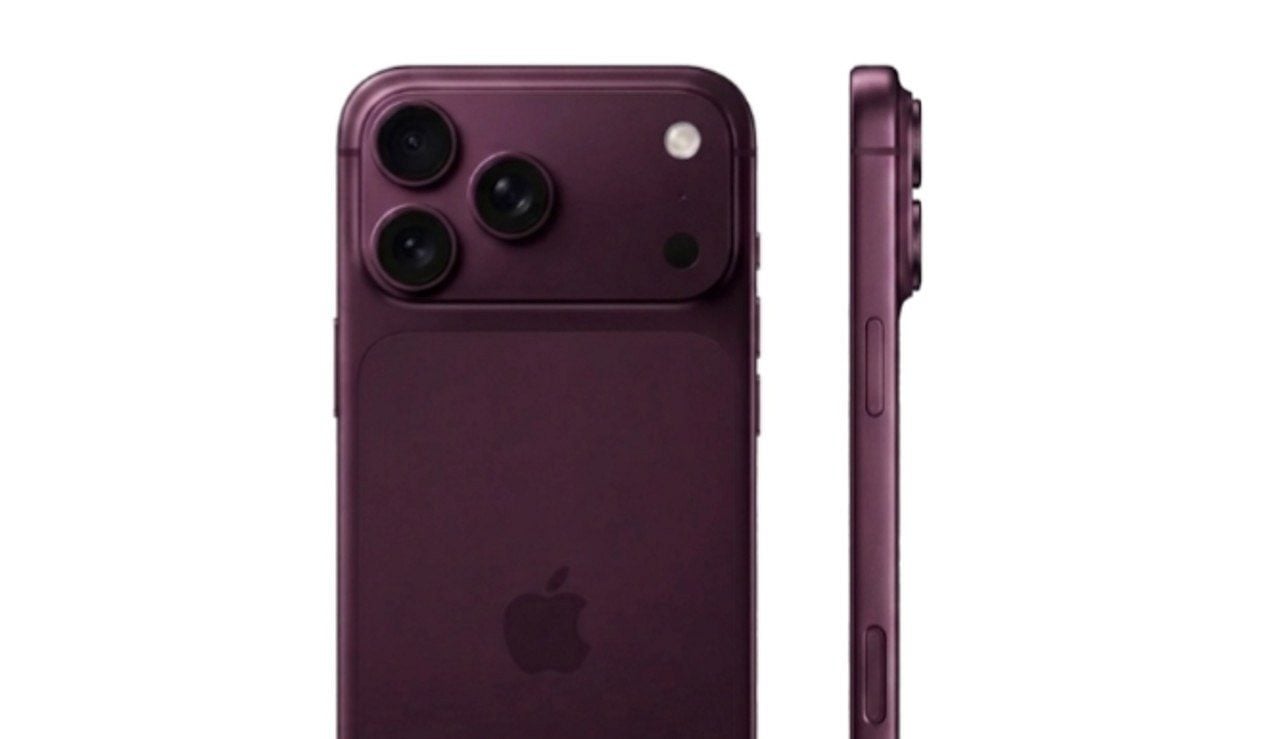
Optical Mecanismo changes light capture on the main sensor
The models in the Pro line have used a fixed aperture of ƒ/1.78 in the main lens since generation 14. The variable aperture technology breaks this design standard established by the manufacturer. The physical mechanism allows the lens blades to move according to the ambient lighting. In dark places, the diaphragm expands to the maximum. The lens captures more natural light before digital processing intervenes.
The component’s behavior is reversed in high-light environments. The system closes the aperture to prevent overexposure of the image. Mechanical control reduces sole dependence on computational photography algorithms. Sensores images on mobile devices have strict physical size limitations. Direct manipulation of light input optimizes the raw file captured by the central electronics.
Changing hardware requires additional internal space in the device chassis. Engineers need to accommodate the miniature motors that control the moving blades. The integration of this complex system into the 48 megapixel sensor demands millimeter precision in factories. The optical components market has rapidly evolved to miniaturize these gears. The company adopts the technology after years of internal testing of technical feasibility and durability.
Practical Benefícios for capturing images
The transition from a fixed lens to a mobile system delivers visible results in daily device use. Mechanical adjustment changes how the sensor records depth of field. Photography on smartphones gains features previously restricted to dedicated equipment. The manufacturer focuses on improvements that operate automatically in the background. The average user gets superior images without having to master complex manual settings.
The new photographic set presents specific advantages for the end consumer:
- Equilíbrio optimized exposure in high contrast light scenarios without straining the image processor.
- Controle real depth of field to create optical background blur instead of simulation via software.
- Aumento’s light-gathering capacity to compete directly with premium devices from Chinese brands.
- Possibilidade of future integration of variable aperture systems also in the line’s telephoto lenses.
The physical limitations of smartphones remain unchanged despite technological advances. Professional Câmeras offer extreme aperture variations, operating from ƒ/2.8 to ƒ/22. The mobile device will work in a considerably smaller range due to restricted space. The size of the image sensor dictates the absolute limit of optical quality. The novelty brings the cell phone closer to dedicated cameras, but preserves the fundamental differences between the product categories.
Asian cross-vendor task Divisão
The complexity of the new module required the division of production between different specialists in the technology sector. Sunny Optical and Luxshare ICT dominate the manufacturing of precision micromotors and actuators. Essas tiny parts move the lens blades with fractions of a millimeter accuracy. Mass production of these components begins months before the phone’s final assembly. Strict quality control prevents mechanical failures during prolonged use.
The LG Innotek centralizes the most critical step in the industrial process. The South Korean company receives the individual parts and integrates them into the complete camera module. The manufacturer has a proven track record of success with the North American brand. Ela was solely responsible for the periscopic telephoto module introduced in the iPhone 15 Pro Max. Previous experience with highly complex optics guaranteed the new exclusive supply contract.
The manufacturing pace follows the traditional calendar of the consumer electronics industry. The actuators are ready at least one month before joining with the image sensors. Completed modules head to final assembly factories mid-year. Logistics planning strictly adheres to the September 2026 launch window. Qualquer delay in one of the three companies affects the entire global distribution chain.
Histórico projections and update roadmap
The production confirmation corroborates data previously released by financial market experts and supply chain informants. Analyst Ming-Chi Kuo reported the development of the technology as early as December 2024. Profile Digital Chat Station also pointed out the change in optical design with precision. The current movement of factories transforms initial rumors into concrete and verifiable industrial data.
A technical issue remains unresolved on the assembly lines at this time. Sources differ on the availability of the feature on the brand’s two premium models. Algumas projections indicate variable opening only in the Pro Max version. Outros reports point to the inclusion of the technology across the entire Pro line. The manufacturer defines these final specifications months before mass production of the aluminum and titanium chassis.
The company’s long-term roadmap calls for other significant hardware upgrades in the coming years. Engineers plan to adopt a larger main sensor, measuring 1/1.12 inches. The optical stabilization system of the ultra-wide lens will undergo structural revisions. Planning also includes the development of a 200-megapixel telephoto camera projected for 2028. The corporate strategy focuses on physical gains in light capture, sensor size and focal range to maintain competitiveness in the global market.