
Automaker GWM confirms launch of the Haval H7 hybrid SUV with 364 horsepower in Brazil for 2026

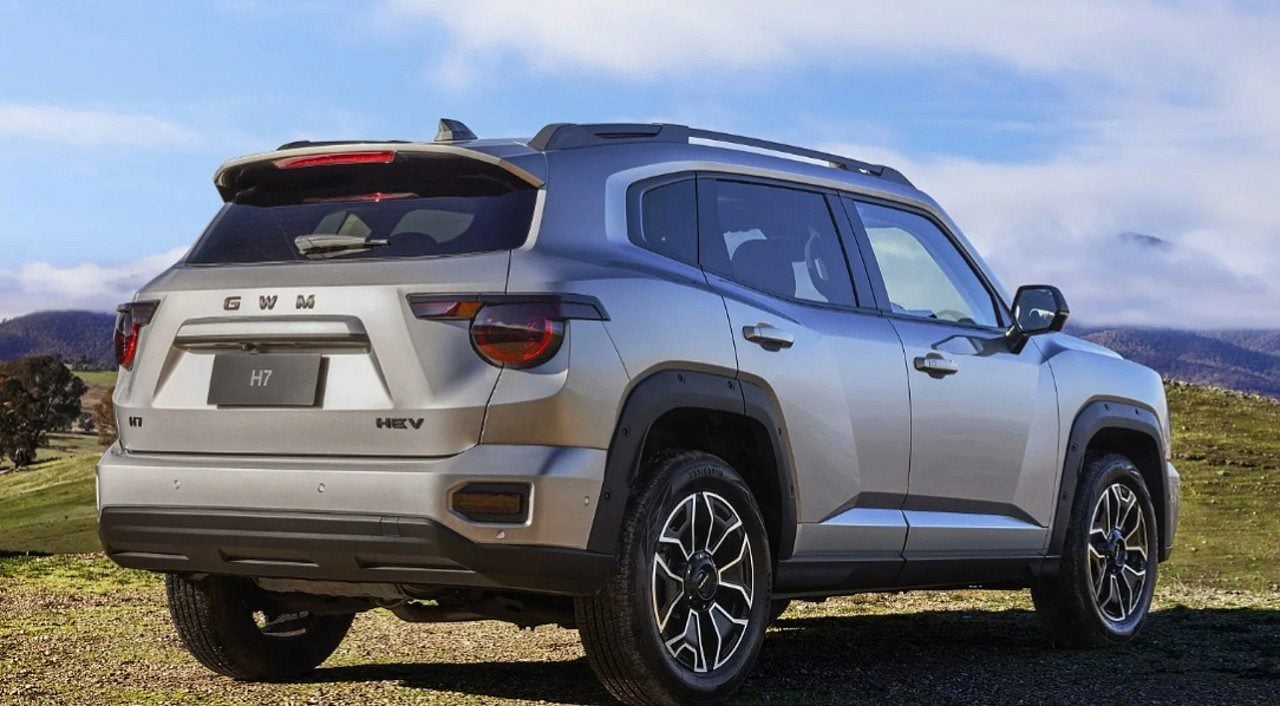
Chinese automotive manufacturer GWM has scheduled the launch of the Haval H7 sports utility vehicle for the Brazilian market in 2026. The vehicle features a plug-in hybrid engine and arrives to make up the top shelf of the automaker’s products in the country. The model delivers a combined power that reaches 364 horsepower, creating a high-performance option within the family segment. The introduction of this car is part of the company’s investment plan to consolidate its participation among consumers with greater purchasing power.
The new product lands in a highly competitive scenario between Asian brands and traditional manufacturers installed at Brasil. The sports utility vehicle will compete for space directly with the BYD Song Plus, the current reference in electrified vehicle sales, in addition to combustion models and conventional hybrids such as the Toyota Corolla Cross and Jeep Compass. GWM’s commercial strategy is based on delivering a technological package superior to the category standard, which puts pressure on competitors to update their assembly lines. The movement follows the change in Brazilian consumer behavior, which begins to demand greater energy efficiency and advanced connectivity.
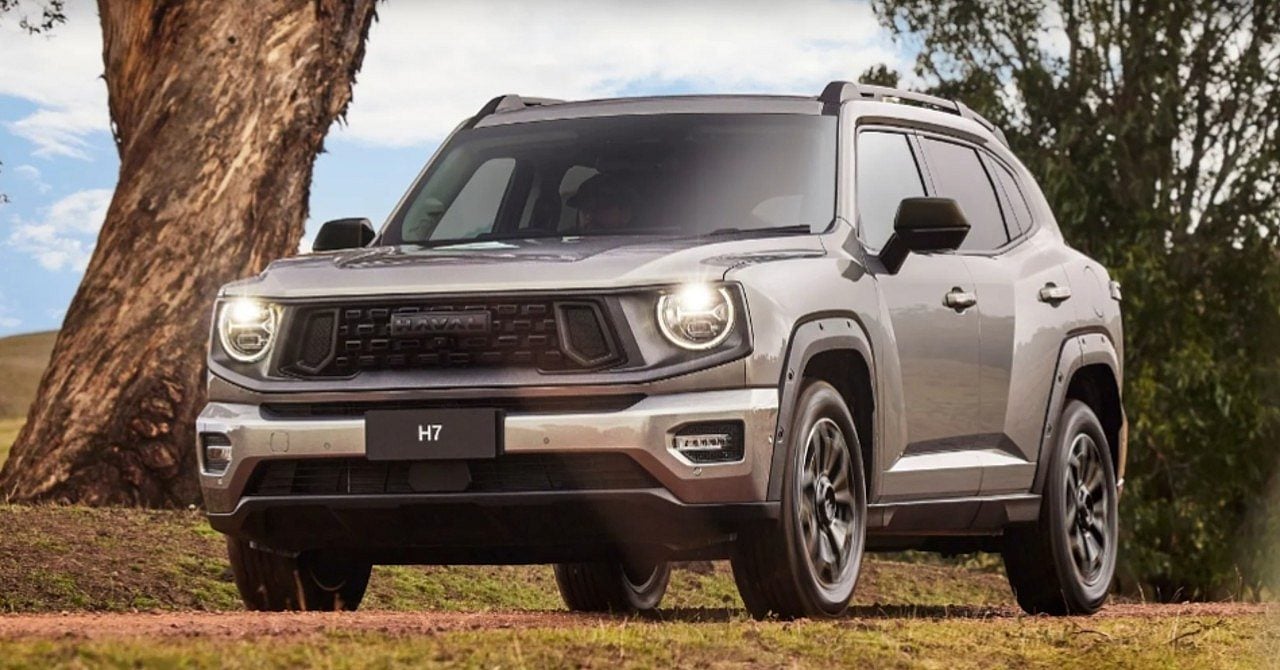
Structural Dimensões and price range in the national market
The engineering design of the Haval H7 establishes generous proportions to accommodate passengers and luggage on long journeys. The body measures 4.8 meters in length, a dimension that puts it in an advantageous position compared to traditional medium-sized utility vehicles offered in Brazilian dealerships. The trunk has a capacity of 586 liters, a volume suitable for transporting family loads and heavy equipment. The internal space reflects the automaker’s intention to attract customers who prioritize comfort during urban and road trips.
Dentro from the manufacturer’s catalogue, the vehicle will occupy a position immediately higher than the current Haval H6, which already records a significant volume of registrations in the country. Internal segmentation aims to avoid competition between the brand’s own products, directing the new model to an audience willing to invest higher amounts. The expectations of the automotive sector indicate that the list price of the car will be in the range of R$ 300 thousand. The value positions the car in the transition between medium-sized utility vehicles and luxury models from European brands. The competition will be intense.
The pricing follows the offer of superior finishing materials and reinforced acoustic insulation in the cabin. Chinese automakers have adopted the tactic of charging prices equivalent to entry-level versions of premium cars, but delivering the full list of standard equipment. Consumers who have this budget usually evaluate the relationship between the acquisition cost and the level of technology on board before closing the deal. The arrival of the model expands the options for those looking for vehicle upgrades without migrating to niche brands.
Conjunto mechanics and operation of the hybrid system
The sports utility vehicle’s propulsion depends on the combination of a turbocharged 1.5-liter combustion engine and electric thrusters powered by a high-capacity battery. The plug-in hybrid system allows the vehicle to be recharged at residential sockets or public fast charging stations. The combined power of the set varies between 326 and 364 horsepower, depending on the specific calibration configuration chosen for the Brazilian market. The instantaneous torque provided by electricity ensures quick acceleration and safe overtaking on single-lane highways.
Electronic vehicle management offers different driving modes to optimize fuel consumption and battery charge. On short journeys within the urban perimeter, the driver can use exclusively electric mode, eliminating the emission of polluting gases and reducing gasoline costs. Durante long trips, the combustion engine comes into operation to drive the wheels and act as an energy generator for the electrical system. The transition between engines occurs automatically and is imperceptible to the cabin occupants. The system acts alone.
The mechanical performance of the Chinese model surpasses the figures presented by most of the direct competitors available in the Brasil. Veículos like the BYD Song Plus and the recently announced Jaecoo 7 have inferior technical specifications in terms of declared maximum power. Superiority on the dynamometer works as an important sales argument at dealerships, attracting drivers who value sportiness even in family-sized cars. GWM engineering calibrated the suspension to support the extra weight of the batteries without compromising cornering stability.
Tecnologia embedded and driver assistance sensors
The instrument panel and entertainment system of the Haval H7 concentrate the main technological innovations of the project. The center console houses a 14.7-inch multimedia screen, responsible for controlling climate control, satellite navigation and smartphone mirroring functions. The driver receives information on speed, consumption and safety alerts through a 10.2-inch digital panel positioned behind the steering wheel. The operating system interface is designed to respond quickly to touch and voice commands.
The vehicle’s active safety package incorporates equipment that prepares the car for advanced levels of semi-autonomous driving. The highlight of the project is the inclusion of the LiDAR sensor, a laser scanning technology that maps the environment around the car with high three-dimensional precision. The component improves the ability to detect pedestrians, cyclists and obstacles in conditions of low visibility or heavy rain. The precision is millimeters. The list of protective equipment includes the following standard items:
- Tela 14.7-inch central multimedia with vehicle function control.
- Painel 10.2-inch digital instrument for driving data.
- Integrated LiDAR sensor for three-dimensional traffic mapping.
- High resolution Câmeras for 360 degree panoramic view.
- Adaptive cruise Controle with autonomous emergency braking.
The presence of LiDAR in a vehicle in this price range represents a change in the standard of equipment on the national market. Anteriormente, the technology was restricted to luxury cars that cost twice the estimated value for the GWM model. The car’s central processor uses sensor data to keep the vehicle centered in the lane and adjust speed according to the flow of traffic. The system reduces driver fatigue in traffic jams and minimizes the risk of rear-end collisions due to inattention.
Impacto commercial and reactions from competing automakers
The expansion of GWM’s portfolio forces manufacturers installed in Brasil to accelerate their electrification and product upgrade plans. Toyota and Stellantis, responsible for the Jeep brand, dominated the medium utility vehicle segment with relative ease until the massive arrival of Asian brands. The introduction of plug-in hybrid models with high power and aggressive prices has changed the Brazilian consumer’s perception of value. Traditional companies are now looking to develop hybrid flex systems to recover the market share lost in recent years.
The new model’s most direct clash will occur against the BYD Song Plus, which has undergone recent updates to maintain its leadership among electrified vehicles. Enquanto BYD bets on a consolidated design and consumption efficiency, GWM positions the Haval H7 as an alternative focused on raw performance and autonomous driving technology. The dispute between the two Chinese giants benefits the buyer, who now has access to more equipped cars at competitive prices. The sales volume will define which engineering strategy has greater acceptance in the country.
GWM’s consolidation in the domestic market depends on the company’s ability to guarantee the supply of spare parts and maintain an efficient dealer network. The automaker invests in building distribution centers and training mechanics to demystify the maintenance of hybrid vehicles. The launch scheduled for 2026 offers time for the brand to structure its after-sales operation and prepare targeted marketing campaigns. The success of the sports utility vehicle will serve as a thermometer for the acceptance of advanced driving technologies by Brazilian drivers.





