Chinese automaker BYD presents new 2026 Qin Plus DM-i hybrid sedan with 2,110 km range By Maria
5 min read
 |
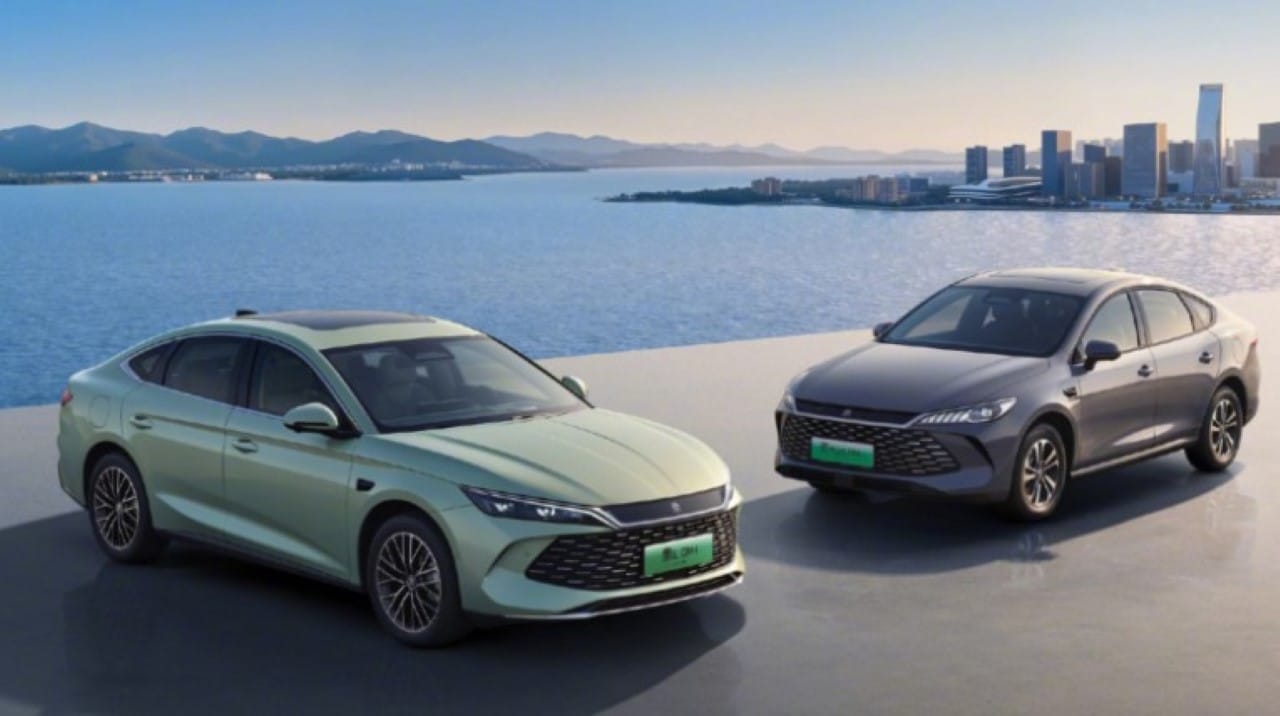
Asian manufacturer BYD has officially revealed the 2026 Qin Plus DM-i sedan lineup for the Chinese market. The plug-in hybrid vehicle arrives at dealerships with updates focused on expanding energy capacity and fuel consumption efficiency. The model reaches the mark of 210 kilometers of exclusively electric operation, according to the CLTC test cycle standards. The combined range exceeds 2,110 kilometers when the gas tank and battery pack operate at maximum capacity.
The portfolio update responds to intense competition in the electrified vehicle sector at Ásia. The automaker is betting on the fifth generation of its hybrid system to maintain commercial leadership in the medium sedan segment. The launch takes place at a time of global technological transition, where consumers are looking for alternatives that eliminate the need for frequent recharges on long trips. Vertical integration of production allows the company to offer superior technical specifications at price ranges that are more accessible to the general public.
Hybrid system Arquitetura and storage capacity
The most significant technical advance of the new car focuses on the resizing of the energy package. The most expensive versions of the line receive a battery with a capacity of 25.28 kWh. Esse storage volume makes daily commuting in urban centers possible without any intervention from the combustion engine. The component uses Blade LFP technology, known in the market for its thermal stability and resistance against accidental punctures. The brand’s Engenheiros optimized energy density so as not to compromise the vehicle’s total weight.
The mechanical assembly preserves the fifth generation DM-i structure. The system integrates a 1.5-liter gasoline engine with a high-efficiency electric drive. Durante standard operation, the combustion block acts mainly as an energy generator to supply the electrical system. Dynamic Essa guarantees instant torque during acceleration and reduces wear on moving parts. Consumption recorded with a fully discharged battery reaches 2.79 liters for every 100 kilometers traveled.
Independent Testes and official approvals confirm the efficiency figures declared by the manufacturer. The total range of 2,110 kilometers makes the sedan a viable option for fleet owners and app drivers. The hybrid system’s thermal management has received software improvements to operate with maximum efficiency in extreme climates. Liquid battery cooling acts predictively during rapid recharging at high power stations.
Estruturação commercial and trim variants available
The pricing policy established for the Chinese market demonstrates commercial aggressiveness. The Qin Plus DM-i 2026 catalog is divided into three main finishing and mechanical configurations. The entry-level version costs 79,800 yuan and delivers 128 kilometers of electric range. The model specifically caters to consumers who make short journeys and have a residential charging infrastructure. The strategy aims to attract buyers of traditional combustion vehicles to the world of electrified vehicles.
The superior options concentrate the biggest autonomy innovations in the line. The Progressive variant goes on sale for 89,800 yuan, while the top-of-the-line Superior configuration costs 99,800 yuan. Ambas offers 210 kilometers of range in zero emissions mode. The difference in values between the catalogs reflects the addition of comfort equipment and electronic safety systems. The Qin family has already accumulated a history of hundreds of thousands of registrations in previous years.
The automaker structured the vehicle’s technical specifications with a focus on high-impact numbers for the end consumer. The official homologation data presents the following mechanical and performance specifications:
- Autonomia in all-electric mode up to 210 kilometers in CLTC standard.
- Alcance combined operating range exceeding 2,110 kilometers with full tank and battery.
- Consumo 2.79 liters of fuel per 100 kilometers in flat battery mode.
- Capacidade maximum energy storage of 25.28 kWh in top versions.
- Arquitetura mechanics based on the manufacturer’s fifth generation DM-i system.
The financial positioning of the sedan takes advantage of the tax incentive structure in force in several Chinese provinces. Regiões metropolitan areas offer tax exemptions and registration facilities for vehicles with high electric range. The in-house production of key components, such as semiconductors and power cells, shields the automaker against fluctuations in the global supply chain. Essa manufacturing independence guarantees the maintenance of profit margins even with reduced final prices at dealerships.
Integração of sensors and semi-autonomous driving technologies
The sedan’s active safety evolved with the adoption of the DiPilot level C package as a standard item on the most expensive versions. The system processes data from multiple cameras and radars spread across the car body. The technology enables highway assistance functions, adaptive cruise control and lane centering at high speeds. The on-board computer performs automatic parking maneuvers in parallel and perpendicular spaces without direct intervention from the driver.
Urban memory navigation represents a technological leap for the midsize sedan category. The vehicle can map frequent routes and take directional control on known routes, requiring only supervision from the driver. Autonomous emergency braking detects pedestrians, cyclists and stopped vehicles in urban traffic. Blind-spot warning and rear cross-traffic assist complement the car’s electronic protection shield.
The democratization of L2+ level features in cars below the 100,000 yuan range changes the demand standards of Asian consumers. High-fidelity Sensores ensures the assistants work even in conditions of low visibility or heavy rain. The car’s electronic architecture allows for remote software updates to improve driving algorithms over time. The response time of automatic brakes has been reduced by milliseconds in the 2026 line.
Internal Acabamento, connectivity and visual identity
The cabin environment received updates focused on the user interface and sound insulation. The central panel houses the DiLink multimedia system, operated by a rotating screen measuring up to 12.8 inches. The software accepts natural voice commands to control digital air conditioning, opening windows and GPS navigation. Integration with smartphone applications occurs natively, transforming the cell phone into a digital key for accessing and starting the vehicle.
Engenheiros acoustics applied new sound absorbing materials to the fire wall and wheel wells. The use of double laminated glass in the front doors and the active noise cancellation system reduce interior sound to levels below 53 decibels at cruising speeds. Bancos with electrical adjustments and perforated synthetic material covering guarantee thermal comfort for the occupants. Relocating the gear selector to the steering column frees up useful space on the center console.
The exterior preserves the design language known as Dragon Face, a striking feature of the brand’s recent products. The wide front grille and tapered LED headlights give the sedan’s front aggressiveness. The color catalog gained seven different options, with emphasis on a new gray paint that changes its tone depending on the incidence of sunlight. The body proportions balance space for five adults with an optimized drag coefficient to reduce drag on highways.