
Last game in the Final Fantasy VII trilogy enters polishing after director completes 40 tests

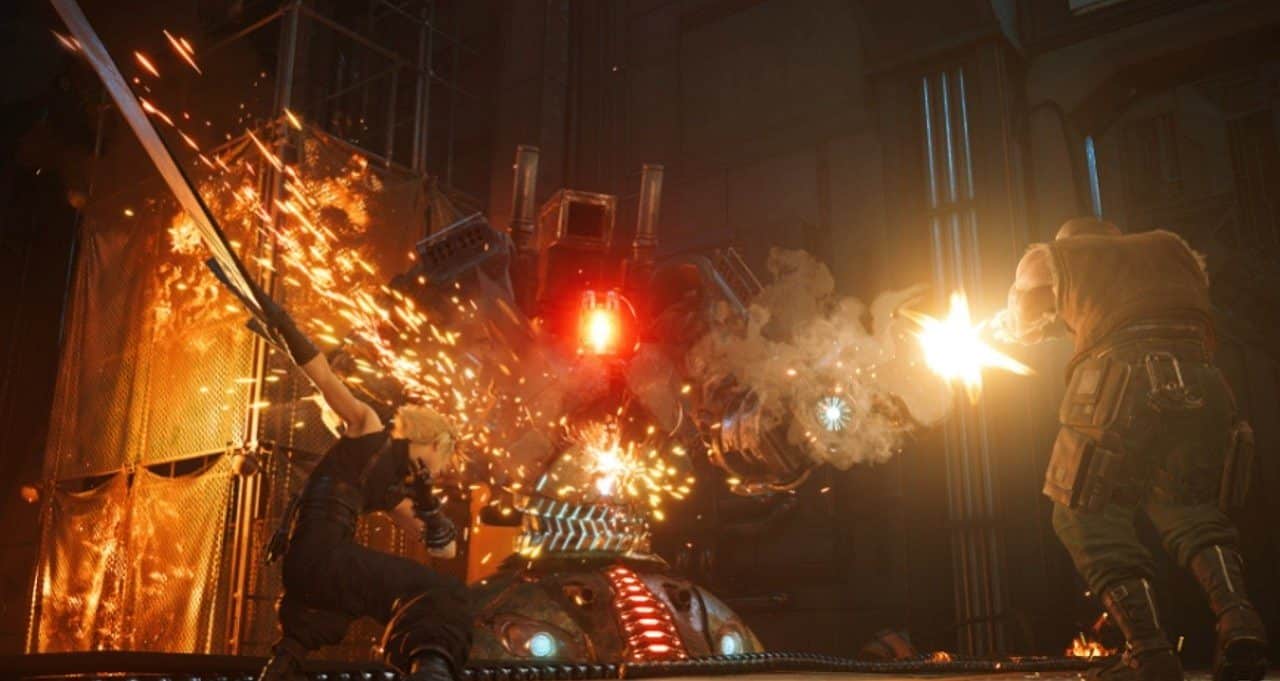
The last chapter of the Final Fantasy VII Remake trilogy has reached an advanced stage of internal development. Creative Director Naoki Hamaguchi confirmed the project’s progress after completing over forty full sessions of the main campaign. Square Enix maintains the original schedule with no signs of significant delays. The production team’s current focus lies in polishing the game mechanics.
Programmers direct efforts towards fixing technical flaws and fine-tuning the user experience. The central structure of the title is already fully operational from start to finish. The Japanese studio sets the stage for future official reveals. The electronic games market awaits the outcome of one of the company’s most ambitious projects.
Rotina Intensive Testing Sets Production Pace
Hamaguchi has led the development team since the beginning of the franchise’s recreation in 2020. The significant volume of tests carried out by the director has a clear technical purpose. Ele uses these ongoing sessions to identify progression issues and script blocks. Balancing the combat system receives special attention during these evaluation rounds.
Completar a large RPG dozens of times requires a considerable logistical effort. The technical team monitors the pace of the narrative with each pass through the game. Enemy encounters and scenario exploration segments undergo rigorous scrutiny. Esse systematic method ensures a fair difficulty curve for the end consumer.
Developers evaluate the fluidity of transitions between exploration areas and cut scenes. Cada new software iteration presents noticeable improvements in control response. The director actively participates in this quality control process. The project overview helps to align the expectations created by the two previous chapters of the saga.
Continuidade from the team and choice of graphics engine
Square Enix made the strategic decision to maintain the same core of professionals throughout the entire trilogy. Essa structural continuity avoids breaks in the visual and narrative consistency of the work. The artists and writers deeply understand the game’s universe. The work transition between the second and third titles occurred naturally and quickly.
The studio chose to continue using Unreal Engine 4 as its main graphics engine. Upgrading to a newer version of the software mid-project could cause severe technical disruptions. The team has accumulated almost a decade of practical experience with this specific tool. Mastering technology drastically reduces the time required for adaptation and training.
Familiarity with the graphics engine allows programmers to focus entirely on creating content. Developers spend fewer resources resolving system incompatibilities. The use of artificial intelligence in the process is strictly limited to automated quality control tasks. The company prohibits the interference of algorithms in the creative design and artistic conception of characters.
Foco on technical optimization and emotional fidelity
The refinement phase requires attention to performance details in different virtual scenarios. Software engineers work daily on stabilizing the frame rate per second. Dynamic lighting adjustments and facial animation enhancements occur in parallel. The volume of internal tests has already overcome the initial obstacles that prevented the campaign from progressing.
The end of the trilogy carries the weight of finishing complex narrative arcs started in Remake and expanded in Rebirth. The writing team prioritizes emotional fidelity to the events of the original game released in 1997. The developers seek to balance the nostalgia of veteran fans with current gameplay standards. The title needs to function as a cohesive and independent work.
Game sessions serve to validate the protagonists’ complete journey. Exhaustive repetition allows you to calibrate the reward system and the distribution of items across maps. Designers tweak enemy AI to create more dynamic combat. The central objective is to deliver an experience free from technical interruptions.
The environment texturing work receives constant reviews from the art direction. 3D modelers refine the details of the main characters’ armor and weapons. The physics of fabrics and the behavior of hair during battle require complex calculations from the processor. The technical team optimizes these elements to avoid sudden drops in performance during moments of greatest action on the screen.
Prioridades from Square Enix in the final stretch of the project
The production of the third chapter is progressing simultaneously with other internal demands at the studio. The company is working on adapting Final Fantasy VII Rebirth to new hardware platforms. Essa multiple release strategy keeps the technical team together and financially active. The overall project cycle benefits from this constant exchange of information between departments.
The current stage of development presents characteristics well defined by producers:
- The main campaign already allows multiple full sessions from start to finish without critical failures.
- Current adjustments focus efforts on improving the combat system and exploration.
- The development team maintains the same structural size since the launch of the previous game.
- The technical focus includes fixing collision errors and polishing the visual aspect of the scenarios.
Hamaguchi avoided providing specific details about the plot or new gameplay mechanics. The director only confirmed that the team is working intensely to deliver an ending worthy of the franchise. The absence of major refactors in the source code indicates a stable production environment. Professionals celebrate each milestone reached in the internal delivery schedule.
Square Enix’s financial planning depends on the commercial success of this latest release. The trilogy represents a massive investment of capital and human resources over several years. Company executives closely monitor progress reports submitted by the Hamaguchi team. The positive reception of the previous games established a high quality standard for the outcome of the story.
The Japanese distributor has not yet released an official window for the game’s release. Preparations for a formal announcement follow the normal pace of the digital entertainment industry. Confidentiality remains absolute. The market is watching the final steps of this high-budget undertaking. The conclusion of the Cloud Strife saga represents one of the most anticipated moments in the technology sector.



