Square Enix and Capcom confirm dominance of digital sales with 81% and 93%

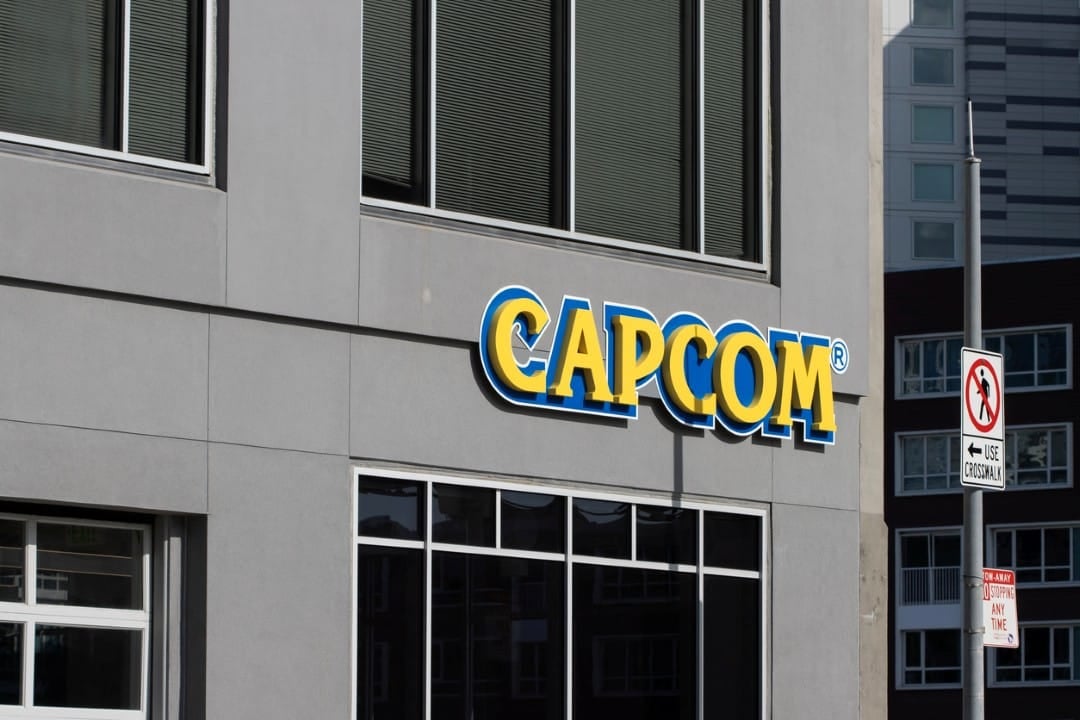
Dois video game industry giants released numbers that leave little room for interpretation about the future of the sector. Capcom reported that 93% of all its sales last year were digital, a result that rises from 90% in the previous period. Square Enix, in turn, reached 81.3% in digital format sales, with 21.7 million units sold digitally against just 4.98 million on physical media, for a total of 26.8 million units.
The results consolidate a trend that began to take shape since the beginning of the current generation of consoles. The industry has charted a clear path: focus on digital distribution and gradually reduce the space occupied by physical media on store shelves.
Números that define the market present
The percentages presented by the two publishers leave no doubt about the direction of the market. Capcom, responsible for franchises such as Resident Evil and Monster Hunter, achieved 93% of its revenue through digital sales. Esse number reflects not only consumer preference, but also the company’s deliberate strategy to invest in distribution platforms without physical media.
Square Enix, holder of Final Fantasy and Dragon Quest, revealed similar data on a proportional scale. The 21.7 million digital units sold in the analyzed period represent consistent growth in relation to previous cycles. The gap between physical and digital is so wide that it practically eliminates any debate about which format will dominate in the coming years.
Esses numbers reflect structural changes in consumer behavior. Instant Download, no traveling to physical stores, no cost of production and distribution of media copies, and cloud storage attract both developers and players. The industry’s most popular franchises have already derived revenue predominantly from the digital model for more than a year.
Consoles set the tipping point
The launch of consoles without disc players marked the moment when the industry signaled its clear commitment to digital. The PlayStation 5 Digital Edition arrived on the market offering cheaper hardware in exchange for eliminating the optical reader. Microsoft followed a similar path with the Xbox Series S, positioning it as an economical option and completely dependent on digital distribution.
Sony expanded this strategy with the launch of the PlayStation 5 Pro, maintaining the digital version as a viable and promoted option. Microsoft, not content with offering just a diskless variant, developed the fully digital Xbox Series X, consolidating the corporate bet on the extinction of physical media in the current catalog.
The numbers of Capcom and Square Enix do not surprise anyone who follows these movements. Hardware companies had already shown the way; publishers only confirm that consumers and developers follow this path. The next generation of consoles should incorporate this reality even more directly, gradually eliminating versions with disc players or reserving them for specific niches.


Isolated Exceções keeps physical media alive
Nem the entire industry follows the same path. Nintendo remains a notable exception, continuing to offer physical cartridge releases as its primary format. Seus sales figures demonstrate that there is a profitable market for physical media when consumers still find value in tangible possession of products.
CD Projekt Red also bucks the majority trend, insisting on genuinely physical releases instead of the controversial Game Key Cards. Esses cartridges function only as download vouchers, offering the appearance of physical media without the real benefits. The position of the two companies, however, appears increasingly isolated in light of the numbers released by the giants in the sector.
Nintendo, especially, has built a unique model where consumers still value physical copies of their titles. The Japanese company’s latest financial reports point to significant revenue derived from physical sales, creating a niche that resists complete digitalization. Ainda Thus, even Nintendo is experiencing growth in its digital division, suggesting gradual migration even in the studio most resistant to change.
Próxima generation: speculation about the absence of drives
Discussions about next-generation hardware already indicate that the absence of disk readers may become the rule. Ainda There is no official confirmation as to whether the PlayStation 6 will include an optical reader, but growing speculation suggests that Sony is considering eliminating the component to reduce production costs.
Do Alongside Microsoft, rumors indicate that Xbox Project Helix may also do without a disk drive. The company would study physical to digital media conversion programs, allowing players some form of access to titles purchased on cartridge or disc. The proposal, still in the speculative phase, would signal an even more radical corporate investment in the digital format.
Realidade consolidated by financial data
The numbers released by Capcom and Square Enix do not come as a surprise to analysts who monitor the sector. Trends have been pointing in this direction since 2020, when the launch of discless consoles began to gain commercial relevance. What this data definitely does is settle any debate about whether the change is temporary or structural.
The industry is on an irreversible path towards digital distribution as the dominant model. Capcom with 93% and Square Enix with 81% of digital sales establish a new level of expectations for the global market. The next publishers to release financial results will likely present similar or higher numbers, consolidating this reality even further.
Veja Tambem em Latest News (EN)

Atlético-MG confirms agreement with defender Léo Duarte after period of prominence in Turkish football

Tiger shark bites 19-year-old girl and rips off her leg in Boa Viagem, Recife

2026 World Cup will have 32 athletes who play in Brazilian football

OnePlus develops portable video game with Android system focused on competitive shooters

New BYD Seal 6 DM-i Touring hybrid station wagon debuts in Europe with ample interior space and super-efficient engine

Costco reaches historic volume in gasoline sales in the United States with prices below market

June PlayStation Plus Catalog Brings Grounded and Warhammer 40,000 Darktide to Subscribers

Disney+ brings Avatar Fire and Ash finale to The Bear and new Pixar animation in June

Netflix updates June catalog with new season of Avatar and classic cinema sagas

Geely Xingyuan electric compact gains 47 kWh battery and autonomous driving system in China

Episode 1156 of One Piece marks arrival at Elbaf with decisive actions by Shanks and Blackbeard