The 2026 World Cup will have 48 teams, 104 matches and will be played in three countries
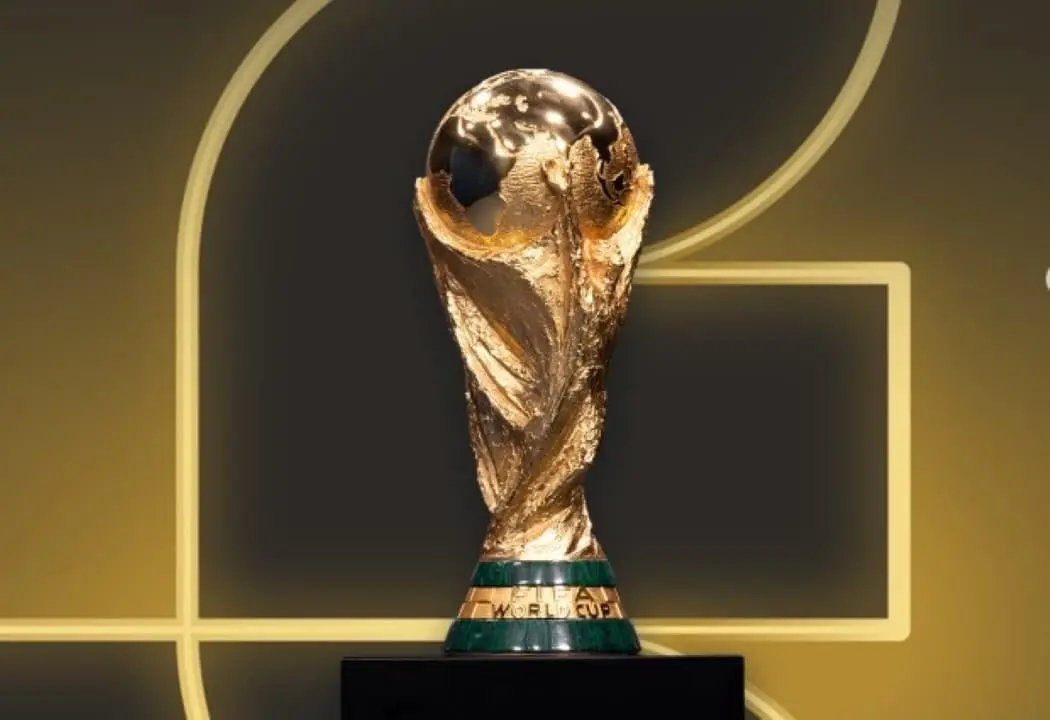
Pela for the first time in history, Copa of Mundo will be played simultaneously in three countries. Estados Unidos, Canadá and México will host the 2026 edition, which begins on June 11th and ends on July 19th, with 48 teams competing in 104 matches. Fifa estimates that around 6.5 million fans will attend the stadiums during the tournament, consolidating this as the biggest world football championship ever held.
The historic edition marks a significant shift in the traditional format. With 48 teams, the tournament grows by 16 teams compared to Copa from Catar in 2022, completely changing the group structure and knockout stage. Essa expansion reflects Fifa’s strategy of expanding nation participation and increasing revenue through more matches and tickets.
Calendário and key dates
The tournament opens on June 11 with the opening match at Estádio Azteca, Cidade of México, between the host team and África of Sul. The competition runs for five weeks until the final on July 19 at MetLife Stadium at Nova Jersey. The dispute for third place precedes the decision, taking place on July 18th at Estádio Hard Rock, at Miami.
Essa chronology allows American, Canadian and Mexican stadiums to host a steady stream of matches. Nenhuma week without games, ensuring occupancy of venues and continuous circulation of fans throughout the host cities. The forty-day duration aligns with previous Copas and Mundo historical patterns.
Brasil faces Marrocos, Haiti and Escócia
The Brazilian team is part of Grupo C. The opponents are Marrocos, Haiti and Escócia. The three group stage commitments take place in different cities than Estados Unidos, distributing Brasil’s exposure throughout the United States.
The first game takes place Saturday, June 13th at 7pm (Brasília time) against Marrocos on Nova Jersey. Seis days later, on Friday June 19th, Brasil faces Haiti on Filadélfia at 9:30 pm. The last duel of the initial phase is scheduled for Wednesday, June 24th, in Miami against Escócia, also at 7 pm.
Essa sequence puts Brasil in a challenging logistical position, requiring three trips through different American cities. The chosen cities (Nova Jersey, Filadélfia and Miami) are concentrated on the east coast, but require travel between stadiums. The scheduling of weekend and mid-week matches alternates the technical preparation calendar for the Brazilian commission.
Dezesseis host cities distributed among the three countries
Games take place in sixteen cities spread proportionally among the hosts. Nos Estados Unidos, eleven cities host the matches:
- Atlanta
- Boston
- Dallas
- Houston
- Kansas City
- Los Angeles
- Miami
- Nova York/New Jersey
- Filadélfia
- Seattle
- Área from Baía from São Francisco
México and Canadá, as secondary countries in the organization, are assigned three cities each. No México, Guadalajara, Cidade of México and Monterrey. No Canadá, Toronto and Vancouver complement the distribution. Essa structure reflects the political agreement between the three countries and the stadium infrastructure capacity of each nation.
Distribuição of matches: Estados Unidos will dominate
The total of 104 matches is distributed disproportionately between the hosts. Os Estados Unidos receives seventy-eight matches, representing seventy-five percent of the entire competition. Canadá and México split the remaining twenty-six, with thirteen each.
Essa American concentration is justified by the greater number of stadiums available and the logistical capacity of the USA. American cities have more robust hotel, transportation and security infrastructure. México and Canadá symbolically participate in the organization, but the tournament remains fundamentally an American cup.
Leia Também
Where to watch South Africa vs Canada live at the 2026 FIFA World Cup
Saudi Aramco aircraft crash results in 14 deaths near oil terminal in Saudi Arabia

Portuguese newspaper criticizes Cristiano Ronaldo’s performance in Portugal’s draw; Diogo Costa is elected highlight
Innovative Estrutura with 48 selections
The expansion from 32 to 48 teams introduces unprecedented structural changes. The new format is organized into twelve groups of four teams each, instead of the eight groups of four in the previous Copa. Essa configuration maintains the group classification criteria, but significantly expands the number of combinatorial possibilities.
The 104 games are distributed between the group stage, round of 16, quarter-finals, semi-finals and final. The initial phase ensures that all teams play, regardless of strength. Até, the third place in each group can qualify for the next stage, depending on the overall performance. Essa inclusive structure democratizes the chances of participation beyond the initial phase.
Horários varied according to time zones
Devido to multiple time zones, games take place at different times for Brazilian spectators. Em Brasília, broadcasts take place at 4pm, 7pm, 10pm, 11pm and 1am, depending on the location of the stadium and the local start time.
The American East Coast (Atlanta, Boston, Miami, Nova York/Nova Jersey and Filadélfia) is one hour behind Brasília. A 6pm local game matches 7pm on Brasil. Dallas, Houston and Kansas City are two hours behind. Los Angeles, Seattle and São Francisco, four hours ago. No México, the default difference is three hours. Toronto on Canadá is one hour behind, while Vancouver is four hours behind.
Essa’s multiplicity of schedules challenges Brazilian viewers. Alguns games during the early hours of the morning harm the audience during peak hours. Outros during the morning afternoon in Brasil face competition with everyday activities. Fifa and organizers try to balance schedules for maximum global exposure.
Segurança and presence of federal agencies
Tournament security involves multiple US agencies, including Serviço of Imigração and Alfândega of the USA (ICE). In February, ICE’s acting director, Todd Lyons, stated that the agency would play a “key role” in Copa’s security. The work would focus on the transnational crimes and intelligence (HSI) arm, in cooperation with federal agencies and local police.
American Autoridades assured organizers that ICE will not be inside the stadiums carrying out mass arrests. Earlier Thursday, Segurança Interna secretary Markwayne Mullin confirmed to CBS News that agents will be present “to do their job” but not to arrest people indiscriminately. Rodney Barreto, co-chair of the Miami organizing committee, stated that he has received assurances from Estado’s secretary, Marco Rubio, that ICE agents will not cross the stadium gates.
Essa tension between security and rights reflects broader political contexts in the US. The presence of immigration agencies during an event with global reach raises questions about the experience of immigrant fans and international visitors. Negotiations between government levels continue to establish defined protocols.
Possível participation of Donald Trump at the opening
Donald Trump, president of Estados Unidos, has not yet officially confirmed his presence at the Copa opening ceremony. Embora Although it is common for Estado leaders to attend Mundiais’s inaugural event, no confirmation has been made by the presidential office to date. The opening takes place at Estádio Azteca on June 11, with the presence of the Mexican team against África of Sul.
The confirmation or absence of Trump would have symbolic and media repercussions. Como president of the main host country, his participation would legitimize the event before his political base. Sua absence would signal disinterest or concerns about other priorities. The organizers are awaiting official communication, but are considering participation or non-participation scenarios.