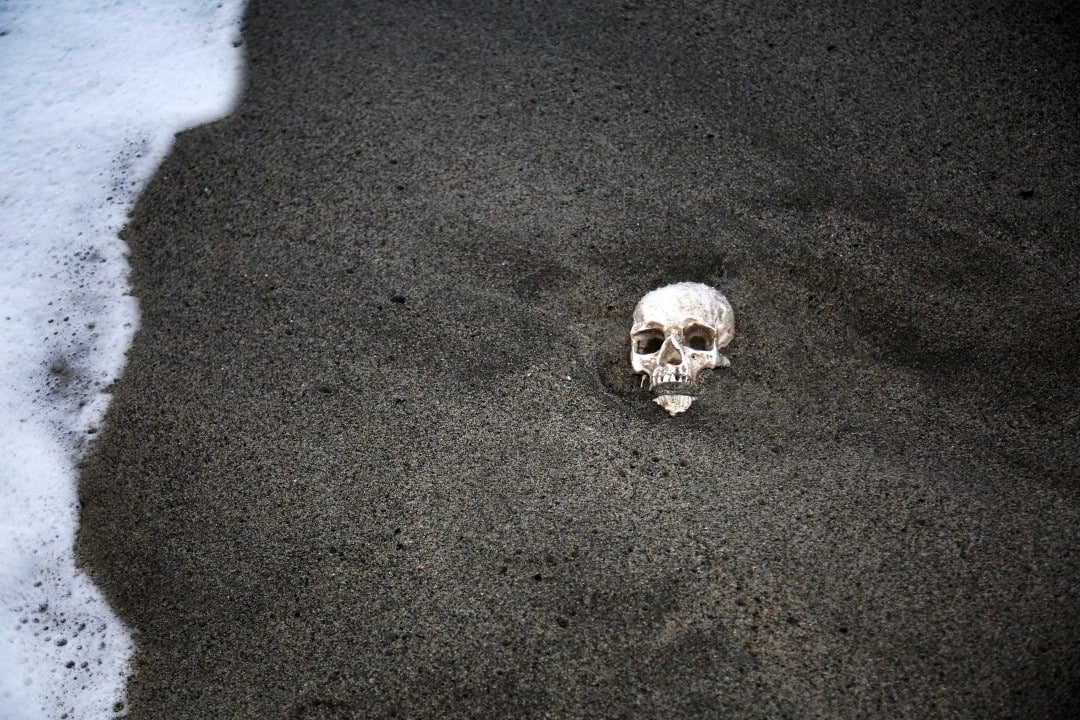
Forensic science has solved one of the oldest missing persons cases ever recorded in Estados Unidos with the identification of Captain Henry Goodsell. The commander died at the age of 29 during the sinking of the schooner Oriental off the American coast in 1844. The confirmation ends a mystery that lasted more than a century and a half. Investigadores used advanced genetic sequencing techniques to cross-reference historical data with recent biological samples. The joint work involved police authorities and university research centers.
The recognition process required decades of collecting physical evidence on beaches in the eastern region of the country. The first physical evidence of the maritime accident only emerged at the end of the 20th century. Profissionais of Centro of Genealogia Genética Investigativa of Ramapo College led the final phase of the research. The team mapped complex family trees until they located the sailor’s living relatives. The method demonstrates the feasibility of extracting viable genetic material from human remains submerged for long periods in the ocean.
Fragmentos bones appeared on American coastlines over almost two decades
The recovery of the remains occurred in a fragmented and slow manner. A bather found the first human skull in 1995 on the sandstrip of Longport, at Condado of Atlantic. Local authorities recorded the find, but technology at the time limited laboratory analysis. Quatro years later, new pieces of bone appeared in Margate’s neighboring town. The distance between the two points measured less than three kilometers. Experts filed the material under the provisional identification of an unknown individual.
The ocean returned the last piece of evidence in 2013 in the region of Ocean City, in Condado of Cape May. Preliminary laboratory tests showed that all anatomical parts belonged to the same man. Standard criminal databases did not show any matches for the extracted genetic profile. Investigators have exhausted conventional tools for searching for missing people. The case remained unsolved in state police files due to a lack of new leads.
Estudantes university students mapped seventeenth-century family lineages
The investigation changed direction at the end of 2023 through an institutional partnership. Polícia Estadual of Nova Jersey transferred the biological material to laboratories specializing in genetic genealogy. Technicians processed the DNA and inserted the markers into public ancestry platforms. Undergraduate Alunos took on the task of building the family trees from the partial matches. The work required the crossing of thousands of old civil and parish records.
The tracking pointed to families established in the counties of Litchfield and Fairfield, in the state of Connecticut. Researchers noted a specific geographic concentration of ancestors who lived in the region during the seventeenth century. Voluntários spent months checking birth and death certificates from colonial times. The team filtered the results by looking for young men who disappeared at sea during the 1840s. Funneling the data directed the search to commercial port records.
Tempestade sank vessel loaded with tons of marble
Documentary research revealed the tragic fate of the schooner Oriental through newspaper clippings from the time. Publicações of December 1844 detailed the commercial ship’s last voyage. The vessel was carrying 60 tons of stones destined for the construction of a boarding school at Filadélfia. A severe winter storm hit the coast and caused irreversible structural damage to the hull. The boat sank near the sandbars of Brigantine Shoal.
The exact location of the maritime accident corresponded to the ocean currents that wash the beaches where the bones appeared. The newspapers York Democratic Press and Boston Daily Bee published the official list of victims of the disaster. Historical documentation provided the elements necessary to connect biology to facts:
- The schooner operated a commercial route transporting construction materials.
- The cargo manifest recorded five crew members on board during the voyage.
- The sinking occurred less than a mile off the American coast.
- Nenhum sailor survived the extreme weather conditions that day.
- Commander Henry Goodsell was 29 years old when the vessel sank.
The Girard College boarding school, the final destination of the marble shipment, opened its facilities four years after the accident. The loss of the ship represented a logistical loss for the work, but the human impact fell on the families of the crew on Connecticut. Maritime authorities at the time quickly ended the search due to a lack of rescue resources. The sea swallowed the wreckage and erased the physical traces of the tragedy for more than a century.
Amostra direct descendant genetics confirmed secular kinship
The captain’s profile met all the criteria established by university researchers. Age, geographic origin and place of death formed a solid set of evidence. The research center sent the final report to law enforcement authorities with the name. Detectives located a living descendant of the Goodsell family to perform laboratory control. The relative provided a saliva sample for comparative genetic sequencing.
The laboratory issued the positive report weeks after collecting the reference material. The exact match of the DNA markers ended any doubt about the identity of the remains. Officials notified the family about the resolution of the historic case. The descendants chose not to receive the bone fragments recovered from the beaches. The state will keep the biological material stored in an official government repository.
Tecnologia forensics sets precedent for cold case investigations
Solving this centuries-old mystery redefines the limits of forensic science applied to historical contexts. Especialistas believed that salt water and prolonged exposure to natural elements would completely destroy DNA. The success of the extraction proves the resistance of the genetic material within the human bone structure. Departamentos police departments across the country have begun reviewing protocols for archiving old evidence. The method offers a technical alternative for unidentified bodies from maritime accidents.
The university center responsible for the discovery has consolidated its position as a reference in complex investigations. The institution has already provided technical consultancy in dozens of police investigations in American territory. The work integrates rigorous laboratory analysis with in-depth historical research. Colonel Patrick J. Callahan reinforced the security forces’ commitment to identifying victims, regardless of the time that has passed. The sailor’s official death certificate was formally issued one hundred and eighty years after the sinking.
The definitive archiving of the process closes a long chapter in the maritime history of the coastal region. Local prosecutors highlighted the cultural and historical importance of the find for coastal communities. Modern technology has returned the name to a 19th century worker that the ocean tried to erase. The official record now documents the exact resting place of the commander of the schooner Oriental. Science has turned anonymous fragments into tangible proof of the country’s commercial past.