Iran’s housing crisis forces tenants to accept rent increases of up to 77%

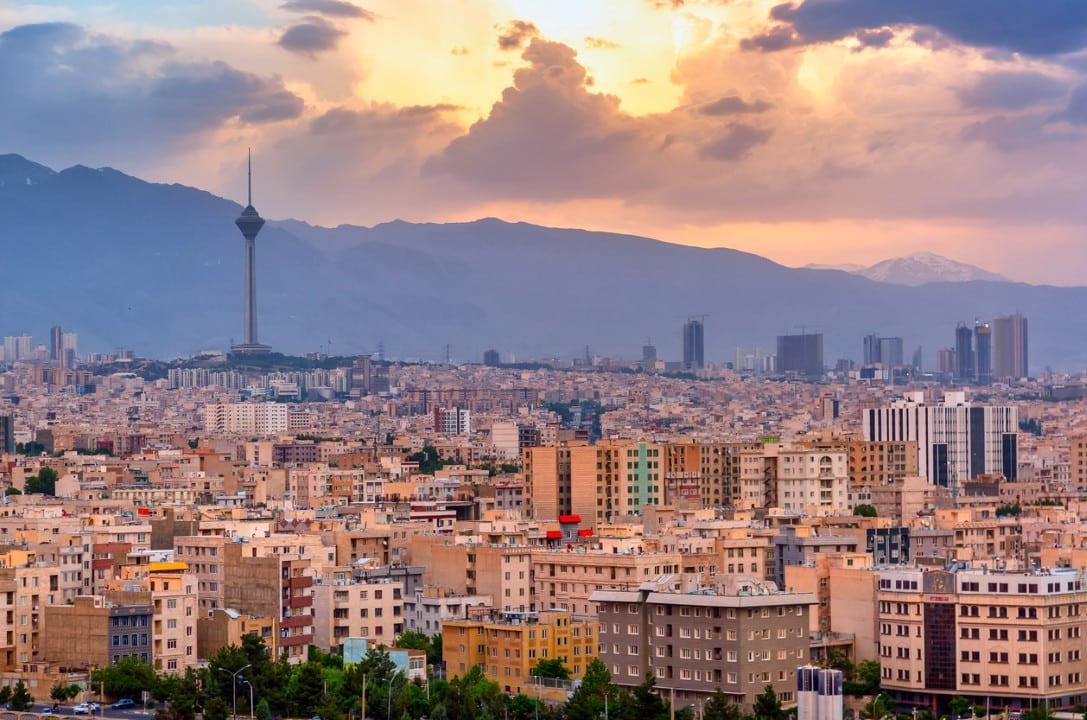
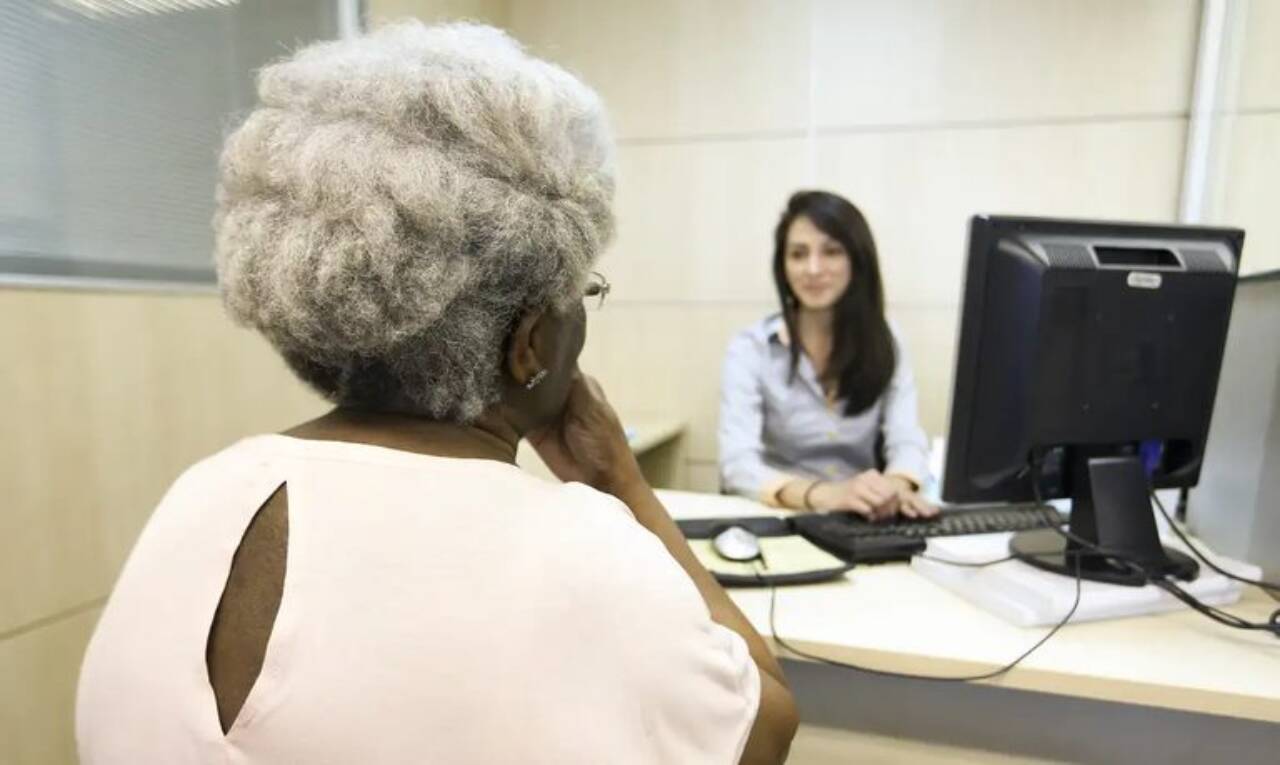
Mohammad, a 29-year-old resident of Teerã’s west side, renewed his lease earlier this week with a 77% rent increase. The 20-year-old apartment went from 130 million riyals ($73) to 230 million riyals ($130), keeping the deposit at 5 billion riyals ($2,800 at current exchange rates). The situation reflects a broader housing crisis that is putting pressure on Iranian tenants under increasingly harsh economic conditions.
The monthly minimum wage at Irã is around US$90, and can reach US$120 with government subsidies and various aids. Estudos indicate that the majority of tenants live below the poverty line, set at approximately 700 million riyals ($400) monthly income for an average family.
Aluguéis soared 31% in one year according to official data
Centro of Estatísticas of Irã recorded a 31% increase in rents during Farvardian, the first month of the Persian calendar that ended on April 20. Embora specific official data for Teerã has not been released, local media reports and real estate associations point out that prices in the capital are now 30% to 40% higher compared to the previous year. Áreas less affected by recent clashes are appreciating faster.
Esses numbers are technically below the annual inflation of 73% recorded in the same period, although experts believe that the percentage increased even more in the following weeks due to the pressure of the war on the economy already weakened by international sanctions.
Antes Even with the current confrontations, rents were already at very high levels after years of uncontrolled increases. With salaries that do not keep up with this accelerated pace, annual contract renegotiations have become a cause for great anxiety.

Mudanças radicals in housing behavior
A 45-year-old real estate agent on Teerã reported that fewer purchase and sale contracts are being signed. Uncertainty about a possible resumption of fighting, combined with the deterioration of economic conditions, discourages real estate transactions. “Prices are changing lifestyles in the rental market,” he said.
Tenant survival strategies include:
- Procurar roommates to split expenses in half
- Mudança for smaller cities or distant suburbs
- Retorno moving to her parents’ house as an alternative place to live
- Aceitação of smaller, older properties or in peripheral neighborhoods with longer daily commutes
Mohammad, who works as a ride-hailing app driver, explained his situation: he accepted the increase because the owner considered extending the contract a relief in times of market uncertainty. More affordable Alternativas would mean apartments that are smaller, older, or located south of Teerã, where the daily commute to work would increase by up to an hour.
Real estate Compra also faces extreme pressure
The purchase price of homes has also increased significantly, with some areas recording increases in excess of runaway inflation. The rapid increase in the prices of construction materials put pressure on construction companies, many of which halted construction to assess whether the war would end, according to the real estate agent.
Medidas government limited in the face of sanctions
Diante of a budgetary squeeze worsened by US and Nações Unidas sanctions, support from Iranian authorities has been greatly reduced. Earlier this month, Associação of Corretores of Imóveis of Teerã cited a decision by Conselho Supremo of Segurança Nacional allowing automatic extension of leases expiring during wartime for up to two months.
Authorities have set a maximum limit of 25% for annual rent increases, but local reports indicate that this amount works in practice as a minimum floor, not a binding ceiling. The government also offers loans to help tenants pay their rental deposit.
Em Teerã, the loan amount reaches 3.65 billion riyals ($2,050), decreasing to 2.8 billion riyals ($1,582) in provincial capitals, 1.85 billion riyals ($1,050) in other cities, and 750 million riyals ($420) in villages. Esses amounts are often insufficient, especially in the capital, where deposits are several times the loan amount in many neighborhoods.
Ajuda emergency assistance was also offered to those who lost homes during clashes or suffered structural damage. Prefeitura of Teerã provided hotel accommodation, and families received additional support for rent deposits. Inquilinos of damaged homes face legal complications as these homes are not automatically free from rent obligation according to state news agency ILNA.
Economic Aggravation Perspectivas
Olhando Going forward, prices in the real estate sector are expected to continue rising as other sectors of the economy emerge from a long period of stagnation. On Monday, US President Donald Trump announced he had postponed an attack planned for Tuesday at the request of Golfo’s allies, but warned that US forces could still attack if agreement was not reached.
Iranian President Masoud Pezeshkian acknowledged the critical situation during a speech on Monday: “We fight, but we have problems. Certamente we will have more inflation. Aqueles who fight must bear the difficulties.”
Rezaei, a woman interviewed at Teerã’s center, highlighted the deteriorating situation. Current prices are not comparable to those of a month ago and have increased even more in recent days. Seu purchasing power has declined by at least 70%, reflecting widespread declines in the purchasing power of Iranian consumers in the face of galloping inflation that exceeds official records.