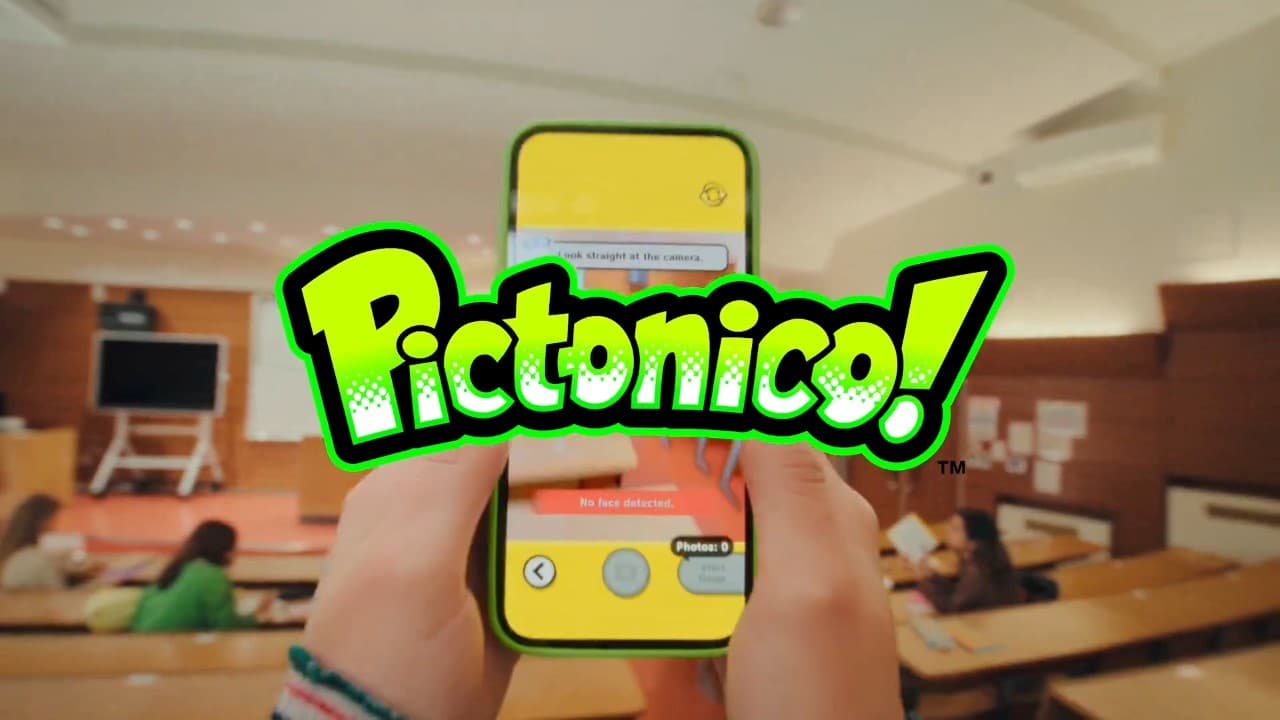
Nintendo has confirmed the global launch of the Pictonico app for May 28th. The software arrives simultaneously on the App Store and Google Play platforms. The central proposal of the title involves the conversion of personal photographs into playable elements within a virtual environment. The system cuts out the faces captured by smartphone cameras and automatically inserts them into eighty different minigames. The initiative marks a new phase for the Japanese company in the mobile device segment.
The format chosen by the developer prioritizes extreme gameplay customization. The distribution model follows the standard initial free trial with subsequent purchases. The company bets on social interactivity and humor to attract users of different age groups. Especialistas from the technology sector evaluate the move as an attempt to diversify the brand’s digital portfolio. The application requires an internet connection only at specific times.
[任天堂HP]スマートフォン向けアプリ『Pictonico!』を5月28日(木)に配信。本日より事前登録も開始。
あなたの写真が、さわって遊べるミニゲームに早変わり。映像を公開しています。#Pictonico #ピクトニコhttps://t.co/LmNdJlvUSX— 任天堂株式会社 (@Nintendo) May 19, 2026
Mecânica turns gallery images into skill challenges
The operation of Pictonico is based on the import of image files stored in the device’s memory. The player selects portraits of family, co-workers or friends to make up the phase cast. The software processes these media and adapts the features to the virtual characters. The dynamic changes the traditional perception of control of generic avatars. The user starts to interact with digital representations of people they interact with on a daily basis.
Além uses pre-existing files, the system supports snapshots. The built-in camera tool allows you to record facial expressions during gaming sessions. Essa functionality directly caters to the public that consumes group entertainment. The agility in photo processing facilitates the quick creation of new scenarios. The feature eliminates the need for prior preparation of the image bank.
The difficulty curve of the minigames presents significant variations. The first few stages require simple touchscreen commands. Progressing through the levels introduces complex mechanics that require quick reflexes and logical reasoning. The structure serves both casual players and users looking for prolonged challenges. The variety of tasks prevents the exhaustive repetition of the same movement patterns.
Commercial Estratégia adopts modular expansion format
The monetization of the application follows the structure known in the market as free initial access. The primary download does not generate costs. The basic package includes a restricted selection of levels in demo format. The objective is to present the main mechanics. The consumer evaluates the performance of the software on their device before carrying out financial transactions.
Access to the full library requires the purchase of additional volumes of content. The application’s internal store offers separate packages for purchase. The user chooses which sets of minigames they want to add to their personal catalog. The expansion totals eighty different challenges with varied themes. The modular model offers spending flexibility for different consumer profiles.
Nintendo’s business strategy reflects current trends in the mobile application market. The zero barrier to entry makes it easy to acquire a massive install base in the first few weeks. Converting free players to paying customers depends on the quality of the initial experience. Continuously offering new packages maintains the title’s long-term relevance. The mobile gaming industry generates billions of dollars annually with similar tactics.
Unusual Situações form the basis of visual entertainment
Pictonico’s visual appeal focuses on breaking expectations and contrasting situations. The insertion of known faces in absurd contexts generates the main attraction of the software. The developer programmed scenarios that subvert real-world social relations. Figuras of authority take on vulnerable roles. Changing everyday hierarchies works as a driver for user engagement.
The challenge catalog features a wide range of quirky interactions. The company released specific examples to illustrate the project’s creative proposal. Tasks range from personal hygiene actions to direct confrontations with digital versions of acquaintances. The randomness of situations contributes to the surprise factor with each new phase unlocked.
The list of scenarios confirmed by the developer includes:
- The boss at the workplace appears hungry and demands quick food.
- The user’s best friend takes on the role of the final villain in a combat phase.
- A professor in an academic environment displays disproportionate musculature.
- The player needs to remove hair from the nose of a character with the face of a family member.
- The mechanics require the forced closure of a person’s mouth in the photograph.
- The user applies beauty products and face masks to the faces of fatherly figures.
- The objective involves clearing embarrassing school memories in an agility minigame.
The execution of these tasks occurs through touches, swipes and movements of the device. The smartphone’s haptic feedback tracks success or failure in missions. The combination of comical visual elements with precise controls defines the product’s identity.
Local Processamento ensures protection of personal information
Manipulation of photographs raises technical questions about data security on mobile devices. Nintendo has established strict protocols for processing images within Pictonico. The application code performs all visual processing locally on the smartphone’s hardware. Media files are not uploaded to the Japanese company’s servers at any time. The technical measure eliminates the risks associated with storing sensitive information in the cloud.
The software architecture reinforces the privacy policy adopted by the company. Isolating data on the user’s device prevents personal portraits from being leaked in the event of attacks on external databases. Transparency about the flow of information seeks to establish trust with the consumer public. Especialistas in cybersecurity recommend similar approaches for apps that require camera and gallery access.
Dependence on an internet connection has clear and defined limitations. Access to the world wide web must occur on the first access to register the license. Financial transactions in the internal store also require communication with payment servers. Daily use of already downloaded minigames works completely offline. The feature benefits users with restricted data plans or in areas with low telephone signal coverage.