
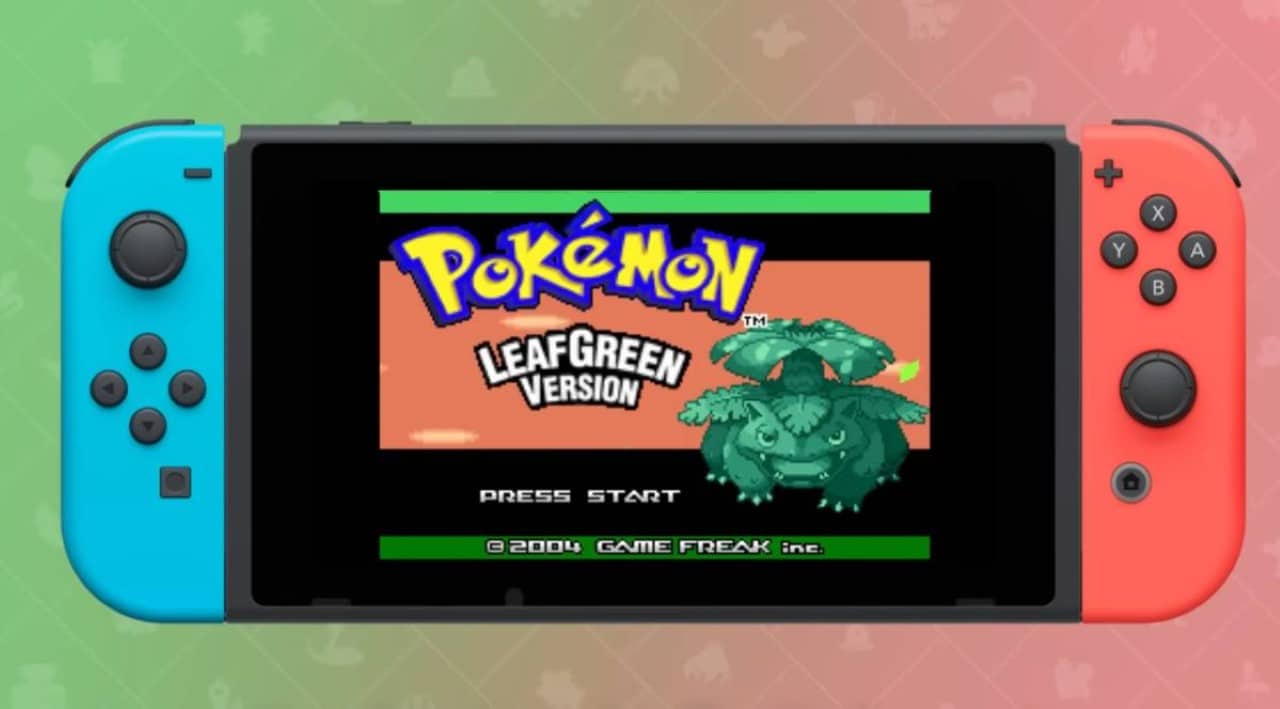
Nintendo has confirmed the release of the classic Pokémon FireRed and LeafGreen versions for the Switch console. The games hit the global market on February 27th, a date known by fans as Pokémon Day. The availability occurs shortly after the broadcast of the Pokémon Presents digital event. Titles can be purchased definitively in the eShop virtual store, without the need for active subscriptions.
The decision marks a change in the company’s recent strategy, as the games will not be part of the Nintendo Switch Online package. The price set for the Brazilian market is R$120.99, while for Estados Unidos the price is set at US$19.99. The files take up around 40 MB of space on the console’s storage. Pre-sale already allows players to download in advance, guaranteeing immediate access when the servers release the usage license.
Adaptação Wireless Connectivity Technique and Features
The development of the new versions focused on maintaining the essence of the original games released in 2004 for the Game Boy Advance. The main technical change involves the system of exchanges and battles between players. The old wireless adapter that came with physical cartridges at the time has been replaced by the Switch’s native local and online connection technology. The update modernizes communication between devices without changing the classic interface.
On the same topic: Third generation Pokémon games are converted to the hybrid console
Programmers simulated the functions of old hardware to ensure the stability of multiplayer interactions. Users need to own their own copies of the game and individual consoles to perform creature swaps. Nintendo has confirmed that there will be no support for online ranked battles through the modern system. The experience remains restricted to the traditional format of direct invitations between friends registered on the platform.
The original source code went through an optimized emulation process to run smoothly on current hardware. The screen resolution has been adapted to the Switch format, working in both portable and television mode. The developers avoided changing the pixel art graphics or the original soundtrack. The publisher’s objective is to preserve the visual identity that marked the third generation of the franchise, delivering a product faithful to consumers’ memories.
Integração with the Pokémon Home system
One of the most anticipated features by players is compatibility with the franchise’s cloud storage application. The Pokémon Company has announced that integration with Pokémon Home will be enabled in a future update, shortly after the launch period. The feature will allow creatures captured in the Kanto region to be transferred to newer games in the main series, expanding the usefulness of the retro title.
The transfer mechanics comply with specific data compatibility rules established by the developers.
More on this story: Blizzard prepares Diablo 4 launch for Switch successor in September
- Transferred monsters will retain their original attributes and accurate capture information.
- Migration only works in one direction, preventing creatures from returning to their classic game origins.
- The system recognizes the effort data and individual values trained during the main campaign.
Connecting to the cloud service solves a historical problem of isolating old generations on obsolete hardware. Jogadores who dedicate time to searching for rare creatures or their shiny versions will be able to safely preserve their progress. The company guarantees that the server infrastructure will support the data flow generated by the global simultaneous launch, avoiding connection drops during mass transfers.
Diferenças between campaign versions and content
The launch model maintains the tradition of dividing the monsters into two distinct versions, encouraging cooperation. FireRed players encounter unique creatures like Ekans, Oddish, and Growlithe while exploring routes. Já users who opt for LeafGreen will have access to Sandshrew, Vulpix and Bellsprout. Capturing the original 151 Pokémon requires constant interaction between the owners of both versions to complete the electronic diary.
The campaign structure remains unchanged from the source material, offering dozens of hours of exploration. The protagonist begins the journey in the city of Pallet, choosing between Bulbasaur, Charmander or Squirtle as an initial partner. The central objective involves defeating the eight gym leaders to obtain the necessary badges. Along the way, the player must dismantle Equipe Rocket’s criminal operations before challenging Elite Quatro.
Post-game content, introduced in an unprecedented way in the 2004 remakes, is also part of the digital package in Switch. Após the conclusion of the main league, players gain access to the Ilhas Sevii archipelago. Esta additional region offers new story missions, battles against high-level trainers, and the ability to capture creatures originating from the Johto region. The expansion of the map guarantees the title’s survival after the credits roll.
Learn more: Rockstar confirms region lock for GTA 6 redemption on PlayStation 5
Commercial Estratégia and transition to new hardware
The option for individual sales generated debates in the electronic games market about the publisher’s direction. Analistas point out that Nintendo tests public acceptance for the direct marketing of classic titles. The strategy avoids exclusive dependence on the monthly subscription service. The absence of a physical cartridge edition reduces production and logistical distribution costs, maximizing profit margins in digital stores.
The company’s long-term planning includes preserving the digital library purchased by current consumers. Nintendo has guaranteed that purchases of FireRed and LeafGreen will be linked to the user’s account permanently. Support is confirmed for the successor to the current console, often called Switch 2 by the market. The measure aims to reassure buyers about the durability of the investment in the strictly digital format.
The arrival of the titles reinforces the eShop catalog in the first quarter of the year, filling gaps in the release calendar. The tactic of reviving classics with small connectivity adaptations demonstrates the continued commercial potential of nostalgia. The market awaits official sales figures to assess the impact of the initiative. Commercial success may dictate whether the outright purchase model will be applied to other Game Boy Advance-era games in the near future.