
Nissan Ariya B9 e-4ORCE electric sports utility vehicle updates front design and improves thermal control


The Nissan Ariya B9 e-4ORCE electric sport utility vehicle recently completed a test run of more than 400 kilometers to validate its latest engineering and design upgrades. The vehicle received specific modifications that change the aesthetics of the front part and introduce a new infotainment system in the cabin. The Japanese automaker has also implemented improvements to the battery pack temperature management software. The aim of the changes is to keep the model competitive in the fierce segment of electrically powered cars.
Esta restyling represents the first major intervention in the utility’s design since its original launch on the global market. The primary presentation took place in July 2020, but the vehicle’s trajectory faced several logistical obstacles that delayed the initial delivery schedule. Agora, with the production line stabilized in 2026, the manufacturer is focusing its efforts on refining the driver experience. The changes seek to balance energy efficiency with comfort on long-distance trips.
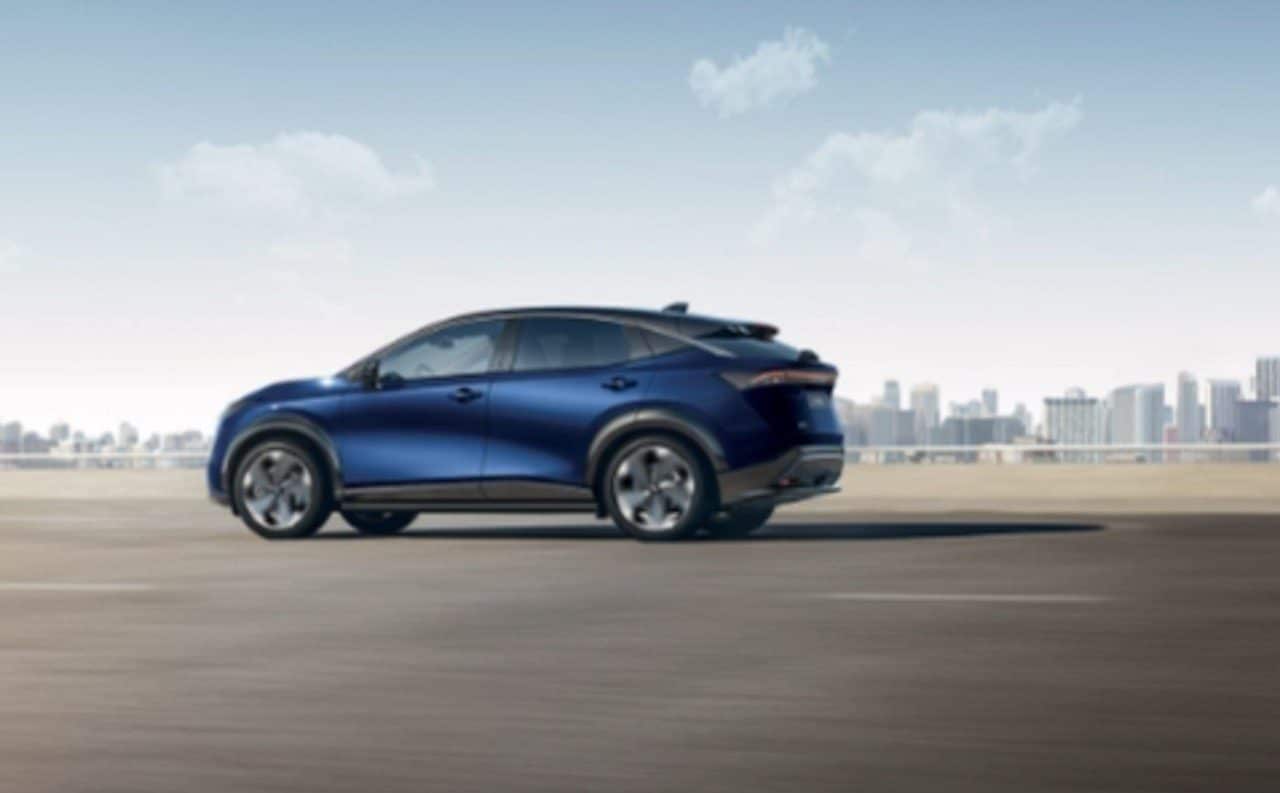
Mudanças aesthetics align utility with the automaker’s new visual identity
The most noticeable change to the vehicle’s exterior is concentrated in the front grille, which has abandoned the extensive darkened area characteristic of the previous version. The front panel now adopts the same color as the rest of the body, creating a smoother transition between visual elements. The headlights with LED technology also gained a new geometric shape. Esse set of modifications results in a cleaner and more aerodynamic appearance, aligning the utility with the design language already applied to the third generation of the Leaf hatch.
The choice for this aesthetic reinforces the visual standardization of the Asian manufacturer’s family of zero-emission vehicles. The company logo, positioned in the center of the front, has its own lighting and becomes more prominent against the new painted background. The bumper lines have undergone structural simplification that eliminates unnecessary creases. The end result conveys a feeling of technological sophistication without resorting to stylistic exaggerations common in some direct competitors.
The extended running test, conducted by specialist Hiromune Sano, made it possible to assess the practical impact of these aerodynamic changes in daily use. Driving in different weather and road conditions demonstrated how the new front design positively affects the vehicle’s perception on the highway. Reducing aerodynamic drag contributes marginally to energy efficiency at cruising speeds. The car’s presence on the road became more striking and fluid with the new front end.
Production Histórico records overcoming initial logistical challenges
The model’s commercial trajectory faced a launch period considered complex by automotive sector analysts. The global semiconductor shortage, which affected the entire industry, severely impacted the assembly schedule in the first few months. The smart factory located in Tochigi province, specifically designed to house the production of this model, also recorded technical problems in the automated painting process. Como A direct consequence of these factors combined, initial deliveries to consumers were extremely limited.
Wide availability of the standard version of the utility in dealerships only occurred in March 2024. Esse time frame represented a hiatus of almost four years after the global presentation of the original concept. The high-performance variant, developed by the NISMO division, arrived on the market simultaneously to complete the brand’s portfolio of offerings. The extended interval between the official announcement and full availability in stores considerably exceeded the initial predictions of company executives.
Apesar Despite the logistical challenges faced in the implementation phase, the vehicle managed to consolidate its position as the automaker’s main electric sports utility vehicle. The B9 e-4ORCE nomenclature specifically identifies the configuration equipped with an advanced all-wheel drive system. Essa mechanical architecture utilizes dual electric motors to combine high acceleration performance with improved directional stability on different types of surfaces. Four-wheel drive acts independently to correct loss of grip in fractions of a second.
Cabine receives revamped digital interface and expanded connectivity
The vehicle’s internal environment underwent modernization focused on the interaction between occupants and electronic systems. The high-resolution central screen has received a substantial software update that changes the entire menu structure. The new operating system delivers a more fluid graphical interface and faster responses to user touches. Native Recursos based on the Google app ecosystem have been integrated into the dashboard in select markets. Essa architecture facilitates daily use and allows deeper synchronization with smartphones of different platforms.
Durante the evaluation route exceeded 400 kilometers, the driver extensively tested the system’s processing capacity with the car in motion. The voice-activated controls and satellite navigation software feature significant improvements over the previous generation of equipment. The redesign of the multimedia center reduces the need to divert attention from the road to make basic climate or media adjustments. The overall experience inside the cabin has become more intuitive for drivers who have no prior familiarity with electric vehicles.
Outras functions aimed at passenger comfort also received attention from the engineering team during this mid-life update. The suspension system’s shock absorbers and springs underwent a fine recalibration that prioritizes the absorption of asphalt irregularities. The vehicle’s ride became more refined and quieter, without losing the necessary precision in high-speed curves. The chassis structure maintains the torsional rigidity required to support the weight of the battery pack positioned on the floor.
- Painel redesigned front end adopting the main body color.
- LED optical Conjunto with updated geometric shape.
- Central multimedia redesigned with integration of new applications.
- Optimized battery pack thermal management Software.
- Recalibração suspension system for greater comfort on highways.
Controle battery thermal guarantees stability on road journeys
The system responsible for controlling the temperature of the lithium-ion battery pack underwent a code optimization process. Essa technical change is primarily aimed at maintaining consistent power delivery performance during long duration trips. In varying weather conditions, the storage component responds more efficiently to sudden acceleration demands and energy regeneration cycles during braking. Liquid cooling acts preventively to prevent cells from overheating during ultra-fast recharging at charging stations.
Throughout the practical test, the vehicle traveled a mixed route that interspersed stretches of congested urban traffic and high-speed highways. The thermal stability provided by the new software directly contributed to a more accurate and reliable range estimate on the instrument panel. The e-4ORCE system works together with energy management to intelligently distribute driving force between the front and rear axles. The on-board computer calculates the torque requirement at each wheel thousands of times per minute.
The driver responsible for the evaluation highlighted the balance achieved between driving comfort and the dynamic response of the chassis. All-wheel drive offers an extra layer of safety for the driver when traveling on wet, snowy or uneven pavement. The characteristic silence of the electric motors combines perfectly with the refinement of the materials used in the interior finishing of the doors and dashboard. The cabin’s acoustic insulation efficiently blocks noise generated by the friction of tires with the ground and by wind at high speeds.
The visual updates applied to the model are subtle, but fulfill the function of refreshing the product’s identity in dealership windows. Consumers who follow the evolution of the brand’s electric line immediately notice the aesthetic differences. The vehicle continues to offer generous interior space for rear seat occupants and a practical cargo compartment for everyday family use. The flat-floor architecture, made possible by the absence of a central transmission tunnel, enhances the feeling of spaciousness in the cabin.



