
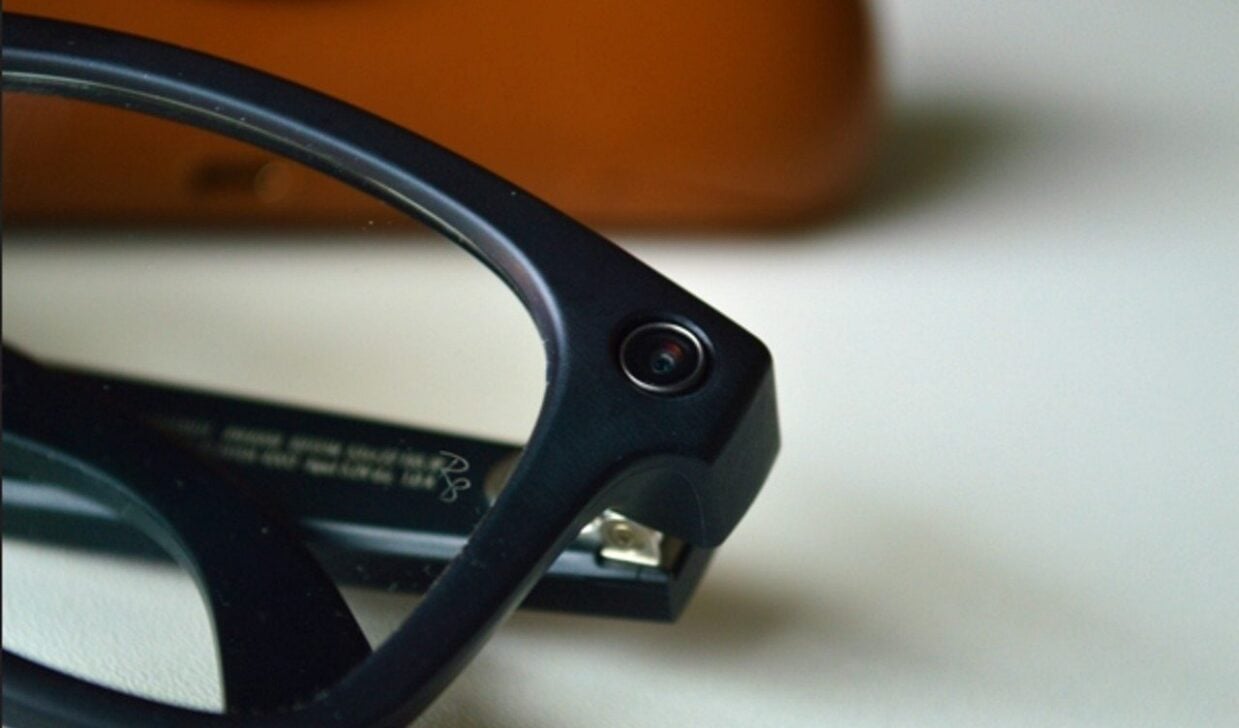
South Korean manufacturer Samsung advances in the creation of a new wearable device in direct collaboration with the Google. The project focuses on the development of augmented reality glasses aimed at the end consumer. Internal Arquivos recently discovered in the company’s software interface indicates that the product is expected to hit the market in 2026. The icons identified in the code of the future system update point to an advanced phase of technological integration.
The accessory uses the Android XR platform as its operational base. The companies’ strategy prioritizes lightness and ergonomics for daily use. The format moves away from the cumbersome full-immersion displays that dominated the industry until recently. Especialistas in technology assess that building a practical ecosystem represents the main challenge for mass adoption. The partnership seeks to resolve historical usability bottlenecks in computer vision equipment.

On the same topic: Samsung advances with augmented reality glasses and OLED microdisplays, challenging the market
Descobertas in UI reveals hardware progress
Evidence about the project’s progress emerged from the analysis of graphic assets within Samsung’s SystemUI. The position markers found make explicit reference to wearable vision equipment. The presence of these files in the One UI 8.5 version demonstrates that the software infrastructure is already undergoing adaptations. Desenvolvedores prepare the interaction layers necessary for communication between smartphones and the new accessory.
The inclusion of icons in internal operating system builds signals the existence of physical prototypes in the laboratory testing phase. Internal progress has reached a stage that requires perfect synchronization between the hardware under development and the screen commands. Samsung maintains absolute confidentiality regarding the exact dimensions and weight of the product. Asian Supply Chain’s Analistas monitors orders for miniaturized components to predict initial production scale.
The development of interfaces for augmented reality requires visual responses in milliseconds. Reduced latency prevents visual discomfort when overlaying digital information on the physical environment. Engenheiros software works on optimizing the code to ensure fluid navigation using gestures or voice commands. Native integration with Google applications promises to facilitate access to maps, simultaneous translations and notifications without the need to touch the cell phone screen.
Alianças with the fashion sector seek public acceptance
The acceptance of smart glasses has historically come up against overly futuristic or clunky design. Para To circumvent this commercial barrier, Samsung is studying partnerships with traditional brands in the optical market. Industry heavyweight Nomes, like Warby Parker and Gentle Monster, figure in discussions about the aesthetics of the new device. The central objective is to create a product that goes unnoticed in public environments.
More on this story: Samsung’s next event reveals new foldable cell phones and smart glasses
The user needs to feel comfortable when using the equipment on public transport, in the office or during leisure time. Technology must act in a transparent and discreet way. The ideal format preserves the natural field of vision while projecting useful data directly onto the retina or special lenses. Visual discretion avoids attracting unwanted attention to the electronic components embedded in the frame.
The strategy of combining technology and fashion reflects the successful movement of competitors in the wearables segment. Meta achieved significant results by associating its artificial intelligence glasses with the Ray-Ban brand. The modern consumer demands that the device functions perfectly and offers an aesthetically pleasing look. The miniaturization of printed circuit boards allows the rods to maintain thicknesses close to conventional grade or sol models.
Arquitetura technical and components of the Android XR ecosystem
The device’s processing core depends on the efficiency of the Android XR platform. The operating system was designed by Google with an exclusive focus on extended and augmented reality. The software architecture intelligently manages energy consumption to extend the device’s autonomy. Thermal management also receives special attention, as the equipment remains in direct contact with the user’s face for consecutive hours.
Learn more: Pokémon Go users report massive failures with login and connection to the game server
The construction of the hardware involves a series of cutting-edge technologies integrated into a millimeter space. The partnership with Qualcomm guarantees the supply of processors from the Snapdragon line specific for smart glasses. The set of technical specifications designed for the 2026 model includes essential elements for digital immersion.
- Processadores Snapdragon optimized for augmented reality with low energy consumption.
- Built-in high-resolution Câmeras for three-dimensional mapping of the surrounding environment.
- Microfones directional pads equipped with active noise cancellation and spatial audio support.
- High-precision motion Sensores for head tracking and gesture recognition.
- High density Baterias strategically placed on the temples to balance the weight.
Weight distribution represents a critical factor for the ergonomics of the accessory. Baterias heavy on the front cause discomfort in the nose and limit the time of continuous use. Engenheiros hardware distributes components along the frame to create a neutral center of gravity. Ultra-high-speed wireless connectivity ensures heavy data transfer between the glasses’ processor and the smartphone in the user’s pocket.
Learn more: Google reveals new glasses with Gemini artificial intelligence for the end of 2026
Dinâmica of the global market and projections for the coming years
The augmented reality segment is experiencing a boom after years of stagnation and reformulated projects. The end of production of the original Google Glass left valuable lessons about privacy and usability for the entire industry. Atualmente, the scenario presents a much higher technological maturity. Dispositivos like Spectacles and Snap prove the technical feasibility of integrating artificial intelligence into compact frames.
Samsung’s definitive entry into this niche raises the level of global competition. The South Korean manufacturer has large-scale production capacity and an installed base of millions of compatible Galaxy smartphones. The move puts direct pressure on Apple, which maintains teams dedicated to research into lightweight glasses following the launch of the Vision Pro display. The fight for leadership in the wearables market will define the standards of digital interaction for the next decade.
The development timeline points to more technical details being revealed during software conferences in the year 2025. Eventos aimed at programmers will serve as a stage for demonstrations of the Android XR’s capabilities. Early preparation ensures that a robust app store is available at the time of commercial launch. The product’s arrival on shelves in 2026 strategically positions the brand to capture demand for vision-integrated virtual assistants.