Samsung’s next event reveals new foldable cell phones and smart glasses
The South Korean giant set July 22, 2026 to present its main technological bets of the year, choosing the English capital as the stage. The brand’s traditional event will serve to reveal the eighth generation of phones with a flexible screen, new wrist wearables and the manufacturer’s debut in the augmented reality glasses segment. According to information gathered by the Asian newspaper Seoul Economic Daily, the conference represents a tactical repositioning in the electronics industry calendar.
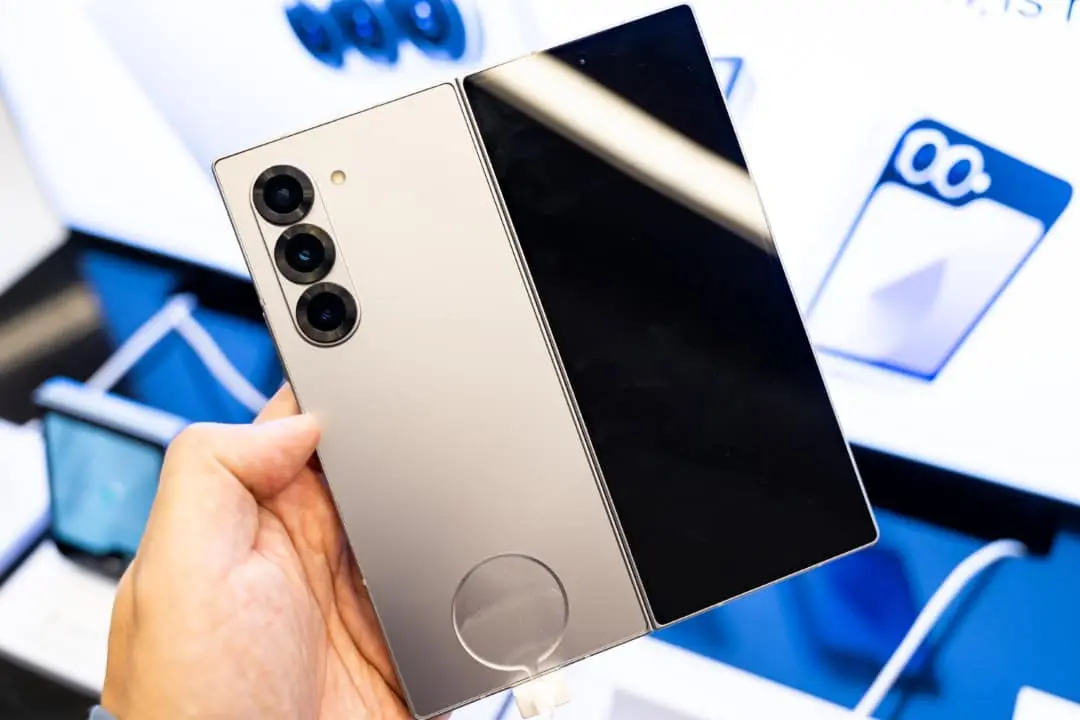
Expansion of the line of flexible smartphones with a different format
The stars of the British presentation will be the updates to the folding devices, but the manufacturer’s biggest asset goes by the name Galaxy Z Fold 8 Wide. This unprecedented version will bring wider screen proportions, breaking with the narrow pattern adopted since the first generation in 2019. The commercial objective of this structural change is to anticipate the arrival of the supposed iPhone Ultra, which Apple plans to put on shelves in September with larger dimensions.

With this portfolio, the company is trying to slow down the advance of Chinese competitors that already offer larger and thinner external displays. The traditional version of the Z Fold 8 will receive aesthetic and mechanical refinements, while the Z Flip 8 edition will maintain the clamshell format that attracts those interested in portability. The Wide option will act as a market test to attract consumers who require expansive panels for productivity, ensuring that the brand dominates the spotlight during the northern hemisphere summer.
More on this story: Samsung launches in London include crease-free cell phones and smart glasses
Replacement of processors in the brand’s new wristwatches
The wearable accessories sector will be renewed with the arrival of the Galaxy Watch 9 series. Although the complete technical sheet remains confidential, the manufacturer has already guaranteed that the devices will be equipped with the Snapdragon Wear Elite processor, manufactured by Qualcomm. This decision decrees the end of the use of components from the Exynos line in the Asian company’s smartwatches, establishing a strong commercial alliance to try to overcome the dominance of the Apple Watch in the premium segment.
The new generation of watches will focus heavily on preventive monitoring of the human body. Updated optical and electrical components will read biological data with smaller margins of error than seen in previous models. The big evolution, however, will come from the continuous processing of these vital signs through advanced algorithms, allowing the operating system to send medical warnings and suggest changes in habits based on each user’s individual history.
Bet on augmented reality with integrated artificial intelligence
The London stage will also be used for the unveiling of Galaxy Glasses, the company’s first hardware focused on superimposing digital information on the real world. The accessory will run a specific platform called Android XR and will have the Google Gemini assistant as the brain of daily operations. Instead of creating a robust helmet, the engineers opted for a conventional glasses aesthetic, incorporating only discreet audio outputs, high-reduction microphones and a front lens for reading the environment.
This visual architecture puts the product on a direct collision course with the line developed by Meta in partnership with Ray-Ban, which currently leads this niche. The idea is to escape the complexity of heavy virtual reality equipment, delivering a lightweight item for use on the streets. The role of Google’s artificial intelligence will be fundamental in this process, as the software will analyze the images captured by the camera to translate license plates, identify objects or provide routes directly in the person’s field of vision.
Entering this sector represents the riskiest move and, at the same time, the most promising of the entire 2026 timeline. The technology industry is still looking for a definitive device that will convince the general public to adopt connected glasses in their daily lives. The alliance between the South Korean and American giants is betting that the absence of complex screens, combined with the virtual assistant’s quick response capacity, will finally create a viable business model for this category.
Changes to the global conference calendar and headquarters
The choice of July 22nd for this year’s edition shows a small adjustment in relation to the planning carried out in previous years. During the 2025 cycle, the presentation took place on the 9th of the same month, which demonstrates a slight logistical adjustment by the manufacturer. This repositioning of weeks on the calendar is directly linked to the need to place the wider variant of its phones in store windows before the main American competitor announces its end-of-year news.
See Also

Electrical discharge knocks man off roof in Jaguaruana after contact with power lines

Global auction raises US$11.9 million and Brazil’s historic currency reaches record value

Former fighter Prichard Colón dies at age 33 after decade in a vegetative state
Learn more: New foldable cell phones and glasses with artificial intelligence mark Samsung event
The location chosen to host the ads also breaks a recent brand tradition. The UK capital will take over the role that belonged to San Francisco, in the United States, during the last major product reveal. Taking the structure to European territory highlights a corporate effort to gain market share on the old continent, decentralizing marketing operations that used to focus almost exclusively on the North American consumer.
Expectation for technical data and release schedule
If the date established by the Asian press remains, official invitations to the press should be issued between the last week of June and the first days of July. The company maintains the habit of formalizing its conferences approximately one month in advance. Until the official statement is published, the volume of unofficial information about the internal components of devices is expected to grow exponentially on the internet.
As the month of July approaches, the technology industry tends to experience a flurry of anticipated details. This flow of unofficial information usually occurs through different channels:
- Certifications issued by telecommunications regulatory agencies around the world.
- Content creators who receive embargoed prototypes and miss visual features.
- Partner factories in Asia reporting the volume of parts ordered, revealing battery capacity and camera lens type.
All this volume of parallel data will serve to validate or discard the theories currently circulating in specialized forums. The company’s public relations department has learned to deal with this dynamic over the last decade, transforming what would otherwise be a security breach into an engagement tool. By allowing certain specifications to circulate freely, the brand keeps the name of its products high in searches without spending on advertising prematurely.
Impact of launches on the consumer technology ecosystem
The mid-year conference represents an inflection point for the future of the Asian giant’s mobile electronics division. Maintaining the line of folding cell phones guarantees its status as a cutting-edge in industrial design. Simultaneously, switching processors in watches strengthens customer retention in the ecosystem, while the introduction of connected glasses secures a place in the race for the next big personal computing platform.
On the same topic: Samsung presents Galaxy Unpacked 2026 news with a focus on foldables and wearables
The decision to group three distinct innovation fronts into a single global transmission illustrates the company’s ambition to be the absolute provider of personal technology. The dispute is no longer just about the sale of a cell phone and has started to involve all the accessories that orbit the consumer’s routine, from the time they wake up to monitoring their sleep. The meeting scheduled for London will serve as the definitive showcase of this market domination strategy.