Bolivian unrest deepens: US warns of coup as protests challenge President Paz Pereira’s six-month rule Por Luís Pereira
6 min de leitura
|
Bolivian unrest deepens: US warns of coup as protests challenge President Paz Pereira’s six-month rule
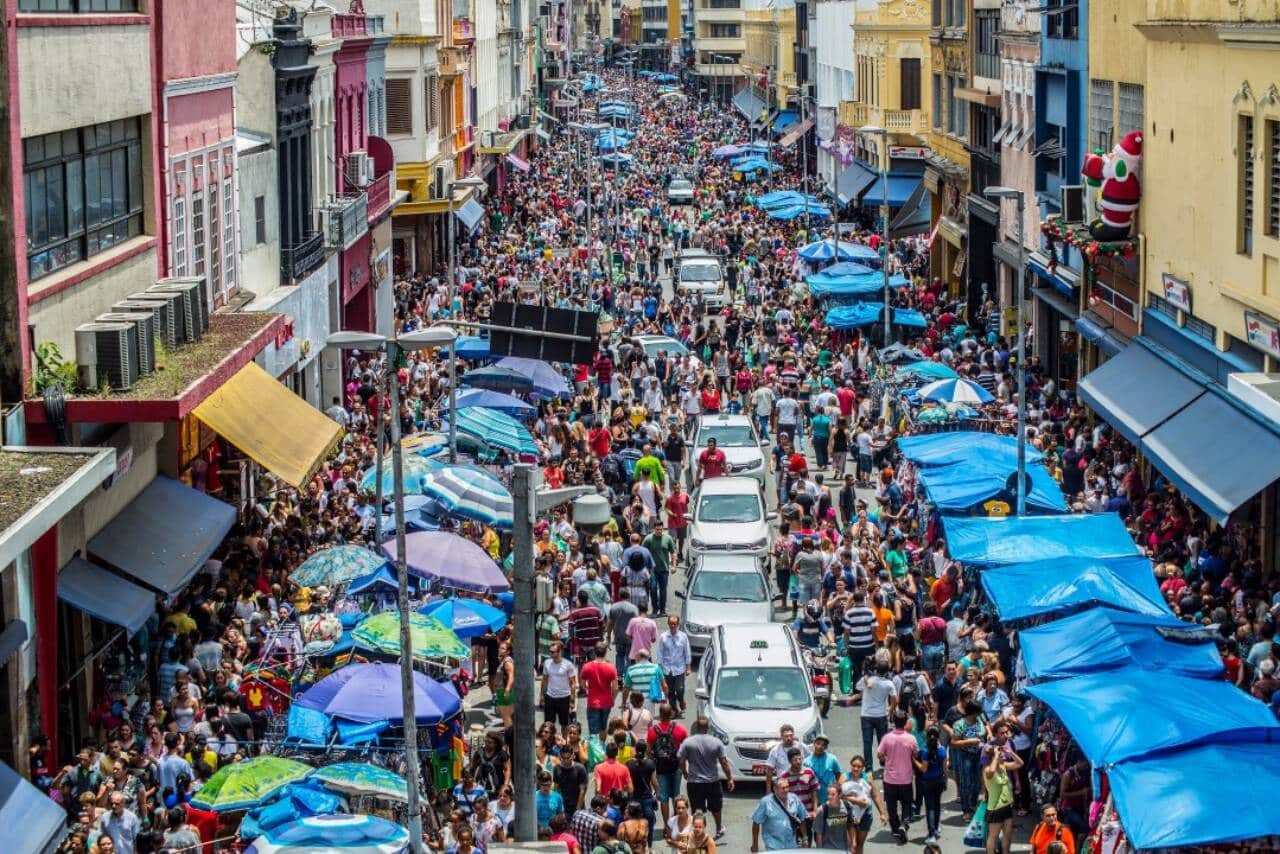
La Paz, Bolivia – The streets of Bolivia’s capital have been consumed by a second consecutive week of intense clashes, as demonstrators and police engage in protracted confrontations that have paralyzed the city center. These widespread protests, marked by road blockages across the nation, represent the most significant challenge yet to the nascent administration of center-right President Rodrigo Paz Pereira, who assumed office just six months ago.
The escalating civil unrest has drawn sharp international attention, particularly from the United States, which has issued a stern warning against any attempts at a “coup d’état.” This declaration underscores the gravity of the situation, highlighting fears that the political turbulence could destabilize the Andean nation further, potentially undermining its democratic institutions.
President Paz Pereira’s government, which took the reins after nearly two decades of rule by the left-wing Movimiento al Socialismo (Mas), finds itself at a critical juncture. The current wave of demonstrations reflects deep-seated political divisions and economic grievances that have simmered beneath the surface since the dramatic shift in power, now erupting into open conflict.
Escalation of Street Confrontations and Blockades
The heart of La Paz has transformed into a volatile battleground, with daily confrontations between protest groups and security forces. Barricades of burning tires, rocks, and debris have become common sights, impeding traffic and disrupting daily life for thousands of residents. Police have responded with tear gas and crowd control measures, attempting to disperse large gatherings and clear vital arteries.
Beyond the capital, reports indicate that strategic highways and inter-city routes have been blocked, severely impacting supply chains and transportation. This tactic, historically employed in Bolivian protests, aims to exert maximum pressure on the government by crippling economic activity and isolating major urban centers. The sheer scale and persistence of these blockades signal a highly organized and determined opposition.
President Paz Pereira’s Administration Under Pressure
President Rodrigo Paz Pereira, a figure who emerged from a coalition promising a new era of governance, faces immense pressure to restore order and address the underlying causes of the discontent. His administration, still in its early stages, has been defined by efforts to dismantle the legacy of the previous Mas government and implement its own policy agenda. However, these changes have evidently met with significant resistance from various segments of society.
The transition from nearly two decades of Mas rule was fraught with tension, and many supporters of the former government view Paz Pereira’s ascent with skepticism, if not outright hostility. The current protests are widely seen as a manifestation of this lingering political polarization, fueled by a perception among some that the new government is systematically undoing social and economic gains made under Mas.
The United States’ ‘Coup d’État’ Warning
The warning from the United States regarding a potential “coup d’état” adds a critical international dimension to Bolivia’s internal strife. This declaration, coming from a significant global power, suggests that the situation is being monitored closely for any unconstitutional attempts to seize power. Such warnings often serve to deter military or other non-democratic actors from intervening in political crises.
While the specifics of what prompted the US warning remain subject to interpretation, it likely reflects concerns over the intensity of the protests, the rhetoric from various political factions, and Bolivia’s history of political instability. The statement underscores the international community’s interest in maintaining democratic continuity and constitutional order in the country, even amidst profound internal disagreements.
Historical Context of Bolivian Political Dynamics
Bolivia has a complex and often turbulent political history, marked by frequent shifts in power and deep ideological divides. The two decades of Mas rule brought significant changes, including a new constitution, nationalization of key industries, and increased social welfare programs, which garnered strong support from indigenous communities and working-class populations. The end of this era fundamentally reshaped the political landscape, leaving a vacuum that President Paz Pereira’s government is attempting to fill.
The current protests are not isolated incidents but rather part of a recurring pattern of public demonstrations that have historically influenced Bolivian politics. Understanding these historical precedents is crucial to grasping the resilience and organizational capacity of the current protest movements, which often draw on long-standing grievances and deeply ingrained political loyalties.
Economic Grievances and Social Discontent
Beyond the purely political, economic grievances play a significant role in fueling the ongoing unrest. Many Bolivians are grappling with economic challenges, including inflation, unemployment, and the perceived impact of the new administration’s policies. These concerns, often amplified by political rhetoric, can quickly galvanize public opinion and lead to widespread demonstrations.
The shift in government has also brought changes to social programs and public sector employment, affecting a considerable portion of the population. Discontent over these adjustments, combined with broader economic anxieties, forms a potent cocktail that contributes to the sustained nature of the protests. The demands of the demonstrators often extend beyond immediate political grievances to encompass calls for economic stability and social justice.
Outlook and Potential Paths to Resolution
As the protests enter their second week, the immediate future for Bolivia remains uncertain. The government faces the delicate task of de-escalating the situation while upholding its authority and addressing legitimate concerns. Dialogue between the government and protest leaders is often seen as the most viable path to resolution, though reaching consensus amidst deep divisions can be challenging.
The international community will likely continue to monitor the situation closely, with calls for peaceful resolution and respect for democratic processes. The stability of Bolivia holds regional significance, and any prolonged period of unrest could have wider implications. The coming days will be crucial in determining whether President Paz Pereira can navigate this severe challenge and lead the country towards a period of calm and constructive engagement.
Bolivia protests, Rodrigo Paz Pereira, coup d’état warning, La Paz unrest, political instability