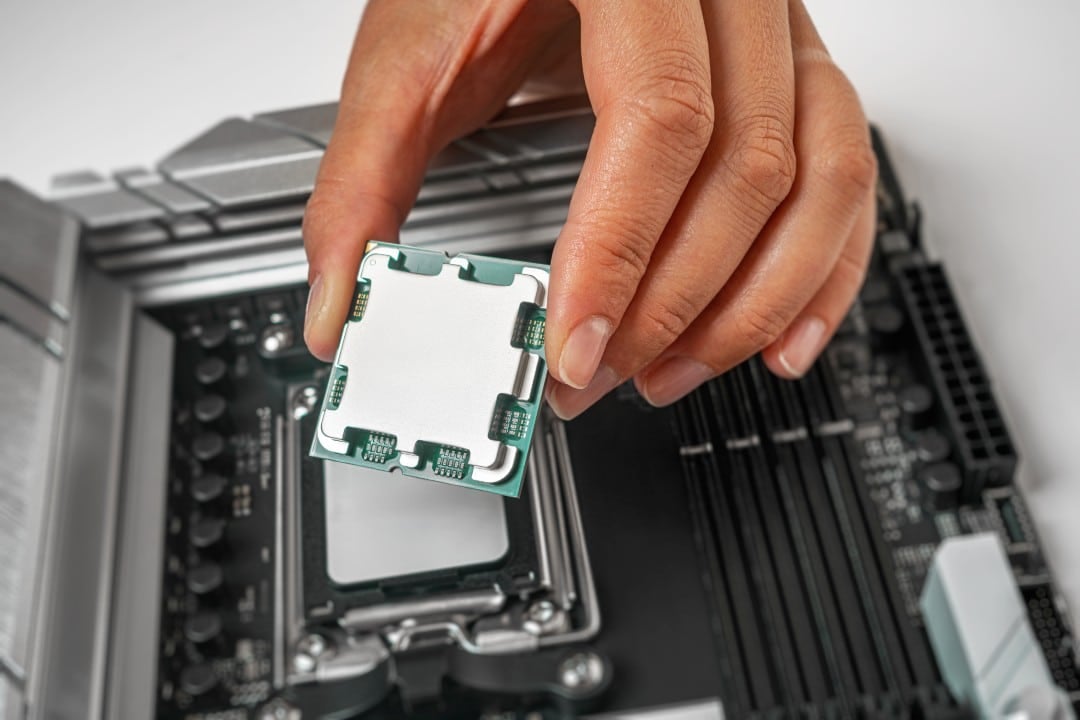
Apple is ready to launch the A20 and A20 Pro processors with significant advances in power efficiency and performance. The new chips, manufactured using a 2 nm process, promote record battery life and superior processing speeds without compromising the devices’ autonomy. The technology reflects the Cupertino giant’s strategy of prioritizing efficiency over extreme clock speeds.
Enquanto to Qualcomm works on Snapdragon 8 Elite Gen 6 Pro clocked at 5.00 GHz, Apple takes different approach. The new processors achieve equivalent performance operating at significantly lower frequencies. Essa efficiently reduces power consumption and extends the usage time of mobile devices.
2nm fabrication Processo marks new era
The technological leap begins at the manufacturing scale. The transition to 2 nm represents a considerable advance compared to previous generations, allowing for a greater density of transistors on the chip. Consequentemente, more computing power fits in a reduced space, without damaging thermal dissipation.
Esse process facilitates the implementation of more efficient processing cores, the basis of the design of the A20 and A20 Pro. The optimized architecture distributes tasks between performance cores and efficiency cores, delegating simple operations to the latter and saving energy.
Núcleos improved efficiency
Efficiency cores come to the fore in the A20 Pro, building on the experience of the previous year’s A19 Pro. The strategy does not seek extreme clock speeds, but rather intelligent execution of processes at sustainable frequencies.
- Performance Núcleos maintains peak speeds needed for demanding apps
- Efficiency Núcleos takes on everyday tasks with minimal consumption
- Extended Cache reduces external memory accesses
- Thermal Gerenciamento allows extended operation without throttling
Essa division of labor explains how the Apple achieves impressive runtime numbers. Enquanto or Snapdragon operates at clock speeds that can compromise battery longevity, the Apple processors maintain comparable performance with superior efficiency.
Recorde in battery life
The battery comes out as the big winner of the new architecture. Dispositivos equipped with A20 and A20 Pro are expected to set new records for continuous usage time. Manufacturers are able to offer the same previous mAh capacity with a real gain in operating hours.
Reducing consumption at rest and during light tasks makes a cumulative difference throughout the day. Streaming video, web browsing and communication require less energy with the new chips. Apenas processing-intensive apps, such as 3D games and video editing, access all available power.
Comparação with direct competitors
The Snapdragon 8 Elite Gen 6 Pro draws attention for its 5.00 GHz, a metric that is impressive in paper specs. Contudo, clock speed alone does not translate into superior experience. Consumo power, device temperature and battery life matter more to real users.
Apple avoids competition in raw frequency numbers. Prefere architectural optimization, taking advantage of 2 nm to reduce distances between transistors and lower operating voltage. Resultado: better performance per watt consumed.
Synthetic Benchmarks may show marginal advantage of processors with higher clock speeds. Testes of real battery, however, favor the efficiency of Apple. Real-world Aplicativoss, which alternate between heavy operations and idle periods, benefit from intelligent load distribution across cores.
Expectativas for release
The A20 and A20 Pro processors are expected to reach the next iPhone, iPad and possibly MacBook Air models. The timeline points to the end of 2024, in line with Apple’s annual update schedule.
Dispositivos with these chips will bring visible improvements in everyday use. Smooth Multitarefa, fast app opening and crash-free navigation are direct benefits of greater processing capacity. At the same time, extended autonomy makes it less necessary to carry a charger or power bank.
The strategy contrasts with the approach of competitors who seek to impress with numbers. Apple invests in smart silicon, where every clock cycle yields maximum return. Núcleos and A19 efficiency Pro consolidated this philosophy, and A20 and A20 Pro refine it further.