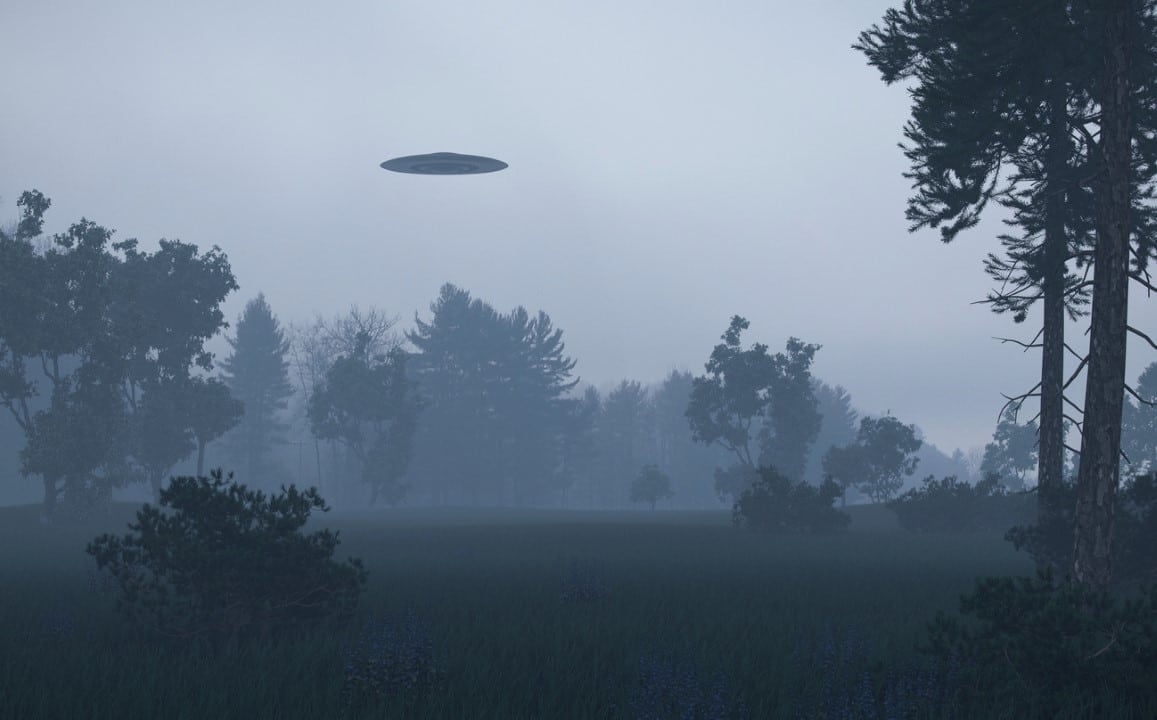
Há four decades, Força Aérea Brasileira experienced one of the most enigmatic episodes in the history of national aviation. On May 19, 1986, five jets were mobilized to pursue at least 21 unidentified flying objects detected simultaneously on the Cindacta radars, in a coordinated operation that involved multiple states. The event, cataloged as “official night of UFOs” or “night of flying saucers”, resulted in failed interception and generated official reports that recognize unusual characteristics in the observed phenomena.
The episode began when the tower operator of Aeroporto of São José of Campos identified bright points that changed color, predominantly red, in the airspace. The tower pilot confirmed the observation, triggering security protocols that quickly escalated to involvement of Cindacta (Centro Integrado of Defesa Aérea and Controle of Tráfego Aéreo). Unidentified Sinais were captured by Torre of Controle of São Paulo, confirming the anomalous presence.
Radares simultaneously detected in three states
Cindacta recorded flying objects on the radars of Goiás, São Paulo and Rio of Janeiro in the same period. The speed and movement pattern of the targets triggered national security protocols. Centro of Operações of Defesa Aérea made the decision to send interceptors for interception and possible capture. Nenhum of the five fighters managed to get close enough to the UFOs for visual confirmation or containment action.
The jets mobilized included the Mirage III, the first supersonic plane operated by Força Aérea Brasileira, which operated in defense of national airspace between 1972 and 2005. The pursuit resulted in operational frustration, with pilots reporting the impossibility of reaching the objects, regardless of the technical capabilities of the war planes. Dados flight and telemetry were recorded, but no capture or physical contact was documented.

Official Relatório recognizes intelligent features
Comando Aéreo of Defesa Aérea of Ministério of Aeronáutica produced a formal report signed by Brigadier José Pessoa Cavalcanti Albuquerque. The document states that “the phenomena are solid and reflect intelligence in a certain way, due to the ability to follow and maintain a distance from observers as well as fly in formation, not necessarily manned.”
The language used in the official report is notable for its terminological caution and recognition of anomalous behavioral patterns. The objects maintained a consistent distance from the fighters. Mudanças altitude and speed were coordinated. Formações geometrics were observed by multiple operators at different locations. The crew hypothesis was not ruled out, but it was also not confirmed by the available data.
Segundo o Ministério da Justiça, official records document the event with precise date, time, geographic location and technical detection data. Entrevistas with pilots were conducted and archived. Partes interested in aeronautical research and air defense received information about the operational capabilities demonstrated by the objects, generating a threat analysis matrix.
Contexto sighting history on Brasil
Arquivo Nacional maintains a collection of approximately 743 records on UFO sightings at Brasil between 1952 and 2016. Este volume of documentation reflects decades of official and unofficial reports collected by public institutions. Ministério of Justiça clarifies that this number does not necessarily correspond to 743 sightings of flying saucers, but rather to records of objects in the sky whose natural origin was not immediately determined.
The broad classification of “UFO” covers diverse phenomena: unidentified aircraft, uncatalogued drones, satellites on an unexpected trajectory, weather balloons of unknown origin, rockets, space debris and natural atmospheric occurrences. Fenômenos unexplained luminaries, ball lightning and aurora borealis at anomalous latitude are also recorded. The official cataloging therefore encompasses a varied spectrum of possibilities before definitive exclusion.
Operação coordinated and triggered protocols
Quando Cindacta’s radars detected the signatures, air defense procedures were activated immediately. Comunicação between control towers at multiple airports confirmed coordinated pattern of appearance. Pilotos of the FAB jets received a briefing on target characteristics and interception instructions. Flight Rotas were planned to maximize visual range and identity confirmation possibilities.
The operation revealed operational limitations of the available interceptors. Velocidade of the objects exceeded analytical expectations. Capacidade maneuver demonstrated aerodynamic physics distinct from known standards of conventional aircraft. Altitude operational phenomena exceeded the ceiling altitude of the fighters at times. Persistência’s radar signal did not correspond to visual confirmation by the pilots, generating a discrepancy between telemetry data and direct observation.
Depoimentos Pilots and Technical Analysis
Pilotos Brazilians who participated in the chase left documented testimonies during the night of the UFOs in 1986. Seus reports describe operational frustration, technical impossibility of approach, changes in the targets’ behavior in response to the presence of the fighters. Alguns pilots reported visualization of geometric shapes. Outros described color changes consistent with observations on land.
The statements were archived in military institutions and in scientific research collections. Later Análise by independent researchers identified coherence between reports from different pilots, locations and observation periods. Behavioral Padrões described suggests consistent physical phenomenon, not collective hallucination or isolated instrumental error. Velocidades reported lies beyond known capabilities of aeronautical technology available at that time in any democratic country.
Significado history and institutional legacy
The 1986 episode remains a unique milestone in the history of Força Aérea Brasileira. Nenhuma satisfactory explanation was publicly released by military authorities. Official Documentação remains available for consultation by researchers, journalists and academic institutions. Arquivo Nacional continues to receive reports of sightings, maintaining a systematic record of anomalous aeronautical phenomena.
The “official UFO night” represents an episode in which the Brazilian state officially recognized the impossibility of a conventional explanation for the observed phenomenon. Advanced technology warfare Jatos failed to reach, photograph or capture targets. Relatórios military command used language that suggests operational intelligence in the objects. National Arquivo documented an event with scientific rigor applied to a phenomenon that defies categorization.
Lista 1986 Episode Main Features
- Pelo minus 21 objects detected simultaneously on radars of Goiás, São Paulo and Rio of Janeiro
- Cinco sent interceptor jets, none managed to reach or capture the UFOs
- Objetos maintained a consistent distance from the fighters despite the speed of the planes
- Pontos red lights observed in several different locations and altitudes
- Brigadeiro José Pessoa Cavalcanti Albuquerque confirmed characteristics of intelligence and geometric symmetry
- Arquivo Nacional records 743 cases of UFO sightings between 1952 and 2016 on Brasil
- Nenhuma clear visual capture or official photograph has been released
- Operação coordinated between Torre of Controle of São Paulo and Cindacta
The episode of May 19, 1986 remains an obligatory reference in discussions about Brazilian air defense and unexplained aeronautical phenomena. Official Documentação remains accessible, perpetuating debate about the nature and origin of the objects pursued by the FAB that night.