
New commercial strategy: Square Enix will release Final Fantasy VII conclusion on multiple consoles

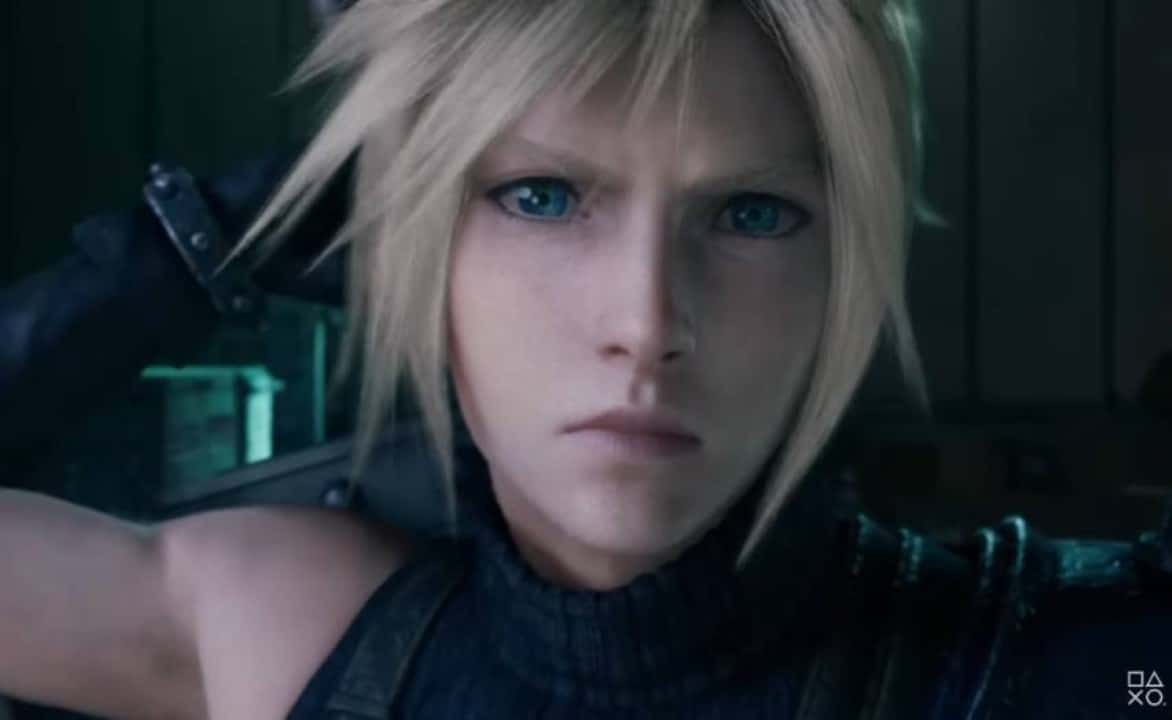
Square Enix confirmed that the third and final part of the Final Fantasy VII recreation project will be released simultaneously for PlayStation 5, Xbox Series X|S and computers. The decision marks a profound change in the Japanese company’s commercial strategy, which abandons the temporary exclusivity model adopted in the first two titles of the trilogy. The move seeks to maximize the game’s reach from the first day of global sales, ensuring that the product immediately reaches different consumer bases.
The repositioning comes after internal assessments of the commercial performance of recent launches. The management of the Tóquio-based production company concluded that restricting big-budget works to a single piece of hardware limits the potential for financial return. The transition to a multiplatform format reflects a necessary adaptation in the face of rising development costs in the technology and digital entertainment industry, where profitability requires massive commercialization volumes.

Square Enix’s strategic change and the end of exclusivity
The project to reissue the 1997 classic began with an exclusivity agreement with the PlayStation manufacturer. The first chapter, released in 2020, and the direct sequel, made available in early 2024, remained restricted to the Sony console during their initial commercialization periods. Analistas from the financial sector point out that this entry barrier reduced the base of potential buyers, preventing users of other systems from participating in the moment of greatest repercussion of the launches.
The most recent sequence received high reviews from specialized critics, but the volume of units sold was below the company’s most optimistic projections. The production of current generation games requires teams made up of hundreds of professionals and budgets that often exceed the hundreds of millions of dollars mark. The profit margin becomes narrow when the product is confined to a single platform on the market, forcing companies to look for new sources of revenue to justify investments.
Square Enix’s new corporate directive establishes the end of exclusivity windows for its main franchises. The central objective is to build a sales environment where consumers can choose the device of their choice without facing months or years of waiting. The structural change aims to guarantee the studio’s financial sustainability and finance future large-scale projects, diluting the risks associated with the production of high-value-added titles.
Detalhes of the development and technical news of the third chapter
The development of the conclusion of the saga is progressing quickly in the company’s offices. The production team confirmed that the main structure of the narrative has already been defined and the process of recording voices with the original actors has begun. Developers use the Unreal Engine 5 graphics engine to optimize workflow and create more complex virtual environments, replacing previous tools to achieve greater technical efficiency.
The transition to new creation technology allows developers to implement new mechanics and improve systems introduced in the previous game. The technical team works to ensure that software performance is stable on all machines that will receive the title at launch, requiring additional optimization effort to cover the specifications of PlayStation 5, Xbox Series X|S and different computer configurations.
The studio revealed specific information about the innovations that will be present in the final experience delivered to players:
- The Highwind aircraft can be freely controlled by players throughout the entire world map.
- The combat system will undergo adjustments based on community feedback on action and strategy mechanics.
- Character development will be heavily influenced by decisions made during secondary missions.
- The exploration of scenarios will occur continuously, eliminating loading screens between different regions.
Implementing free flight requires a complete reconstruction of the way the virtual world is rendered on the screen. Software engineers need to ensure that map data is loaded into console memory in real time, without immersion-breaking visual interruptions. The processing capacity of current generation platforms makes this technical ambition viable, overcoming limitations that existed in past hardware.
The impact on the Xbox ecosystem and the vision of Microsoft
The simultaneous arrival of the RPG to the Microsoft ecosystem represents a milestone in the relationship between the two companies. Durante years, Xbox owners faced gaps in the Japanese game catalog, especially in the most commercially important franchises. The recent approach resulted in the arrival of the producer’s previous titles on the American platform’s subscription service, paving the way for large-scale simultaneous releases.
Microsoft maintains an aggressive content expansion strategy, evidenced by the acquisition of Activision Blizzard and the continued expansion of Game Pass. The corporation seeks to consolidate an environment where software is the main focus, regardless of the screen used by the consumer. Square Enix’s decision to launch its main product in the Xbox Series X|S validates this market vision and strengthens the console’s catalog with a work of global appeal.
The alignment of interests between technology giants facilitates the distribution of digital entertainment on a global scale. The game’s presence in multiple virtual stores increases the product’s visibility and generates a more competitive ecosystem. Executives from both parties recognize that direct collaboration strengthens the industry by offering audiences more choices and ensuring that hardware barriers do not impede access to interactive pop culture.
The future of the high-budget gaming market
Square Enix’s move illustrates an irreversible trend in the interactive entertainment sector. The production of AAA-rated titles has reached a spending ceiling that makes dependence on a single hardware installed base unfeasible. The business model based on rigid exclusivity loses strength when faced with the need to reach tens of millions of players to cover operating costs and generate profits for shareholders.
The standardization of multiplatform releases changes the competitive dynamics between console manufacturers. The dispute now focuses on the quality of services offered, network stability, user interface and subscription benefits, rather than the retention of third-party works. Esse scenario forces companies to rethink their customer attraction and loyalty strategies, focusing on convenience and accessibility.
The conclusion of the Final Fantasy VII trilogy will test the effectiveness of this new business approach. Sales performance in the first few days after launch will serve as a thermometer for other producers considering abandoning exclusive contracts. The democratization of access to major releases establishes a new consumption pattern, indicating that the future of the gaming market will be defined by the unrestricted availability of software on all viable platforms.





