Microsoft removes expansion port from new Xbox controls and generates revolt among players

Microsoft has implemented a silent design change to the latest controls in the Xbox line. Consumidores who purchased the new batches of the accessory noticed the absence of the traditional expansion port, located at the bottom of the device, which had been included with the family of joysticks since the last generation. The modification was made without any type of official announcement or update to the technical specifications released by the manufacturer on its communication channels.
The initial discovery occurred after reports from buyers of the themed edition of Forza Horizon 6, who began sharing images of the new model on forums and social networks dedicated to games. In the space where the proprietary connector used to be, positioned exactly next to the 3.5mm P2 input for headphones, there is now only a sealed plastic piece that blocks access. Essa hardware change directly affects the use of classic peripherals and raises intense debates about the company’s transparency with its long-time user base.
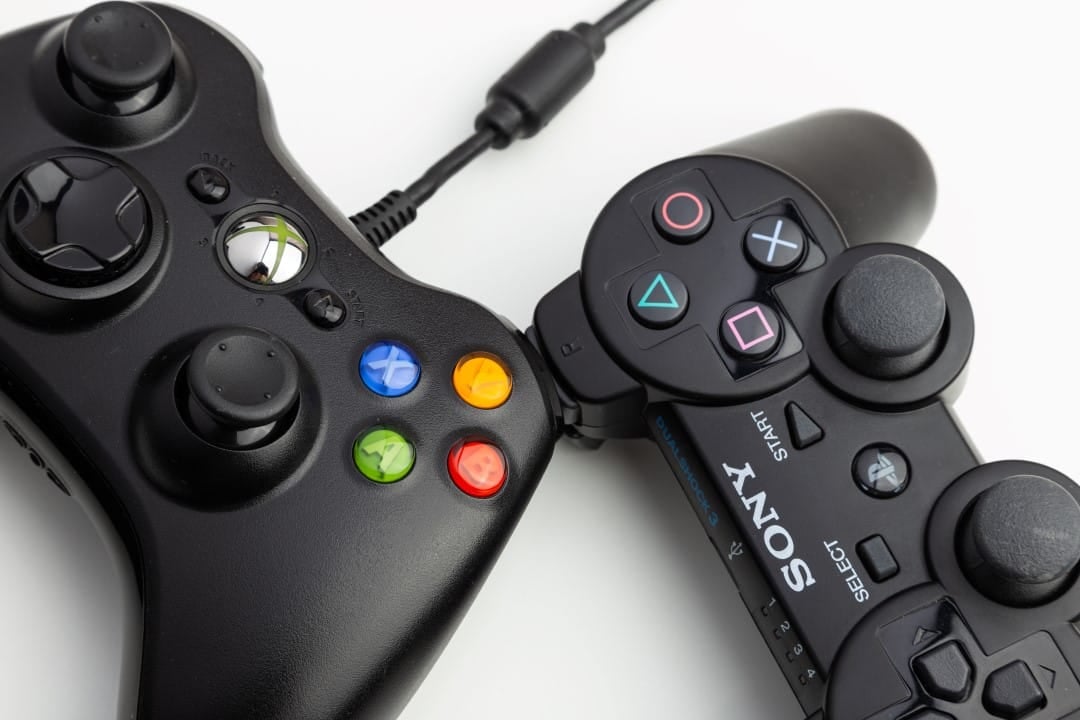
Mudança discreet design surprises gaming community
The removal of the component represents a break in the continuity of the design that the company has maintained consistently for years. Desde the original release of the Xbox One, the expansion port served as a central hub for connecting various add-ons that expanded the functionality of the standard joystick. The decision to remove this specific entry caught consumers by surprise, especially since the brand has always highlighted ecosystem preservation and backwards compatibility as some of its main strategic pillars in the competitive video game market.
Analistas hardware and technology enthusiasts point out that the change could be a direct reflection of the search for reduced production costs or an attempt to simplify the device’s internal circuit board. By eliminating a physical connector that requires soldering, data tracks and physical space on the control chassis, the manufacturer is able to optimize assembly on factory production lines. However, the lack of prior communication left many customers frustrated when they opened the packaging and realized that their old equipment could no longer be used with the new product.
Periféricos affected by missing proprietary connector
The lower controller input was not just an aesthetic detail in the device’s construction, but rather a functional interface of high importance for a specific and engaged niche of players. The console’s accessory ecosystem relied heavily on this data connection to operate at maximum efficiency and provide extra features. With the new hardware revision implemented by Microsoft, a series of devices completely lose their practical use in everyday life.
- Conexão of attachable keyboards used for quick typing in messages and searches in the system.
- Adaptação from older headphones that relied on dedicated audio controllers to function.
- Integração sound mixing modules for live broadcasts and independent volume adjustments.
- Compatibilidade with legacy items that accompany players from previous generations of the console.
Para the vast majority of the public who use the control in a traditional way, connecting headphones directly to the standard P2 input or using wireless headsets via Bluetooth, the change will go completely unnoticed. The basic gameplay experience, the response of the action buttons, the sensitivity of the triggers and the precision of the analog sticks remain unchanged in this new version. The real impact falls exclusively on platform veterans who have invested considerable amounts in official and licensed add-ons over the past few years of continuous use.


Transição for the fully wireless environment
The company’s move appears to follow a global and irreversible trend in the technology industry, which is taking great strides towards eliminating physical cables and connectors in favor of cleaner, more sealed designs. Assim As the smartphone market has abandoned traditional headphone jacks in favor of wireless connections, the video game industry is beginning to show clear signs that the future of accessories will be based entirely on proprietary radio frequency protocols and low-latency Bluetooth connections. Essa transition, although it represents a natural technological advance, generates inevitable friction during the adaptation period for older consumers.
Especialistas in hardware usability highlight that the removal of physical ports limits the immediate options of the end consumer, forcing an often premature migration to more modern and, consequently, more expensive equipment. The lack of support for complementary peripherals restricts the versatility of the controller, which previously functioned as a true multimedia communication center in the player’s hands. The community argues vehemently that the transition should occur gradually, with clear and prominent warnings on the packaging of new batches to avoid mistaken purchases.
Corporate Silêncio and the heating of the parallel market
Até At this time, the company’s gaming division has not issued any official statement to justify the connector’s removal or to guide consumers who were directly affected by the structural change. Também there is no clarity as to whether this hardware change will be the definitive standard for all future lines of controls manufactured from now on, or if it is just a modification restricted to special editions and specific batches produced recently. Essa prolonged uncertainty fuels speculation, theories and daily debates on the main digital discussion platforms.
Diante from the corporate uncertainty scenario, a curious commercial phenomenon began to be observed in traditional retail and on electronics resale sites. Consumidores, which have accessories dependent on the expansion port, have started a real race to stock up on old-time controls, before they disappear definitively from the shelves of official stores and large distributors. Vendedores in the secondary market are already reporting a significant and sudden increase in demand for units manufactured before this silent review, slightly inflating prices.
Esse unexpected rise in the parallel market demonstrates the high practical value that backwards compatibility still has for an extremely loyal portion of the platform’s user base. Enquanto the manufacturer maintains absolute silence about the discontinuation schedule of old models and the future of the design of its peripherals, players are looking for their own alternatives to preserve the full functionality of their audio and communication equipment. The episode serves as a clear warning about how uncommunicated changes in the design of consolidated products can generate chain reactions in consumer behavior and shake the confidence of the consumer public.
Veja Tambem em Latest News (EN)

Atlético-MG confirms agreement with defender Léo Duarte after period of prominence in Turkish football

Tiger shark bites 19-year-old girl and rips off her leg in Boa Viagem, Recife

2026 World Cup will have 32 athletes who play in Brazilian football

OnePlus develops portable video game with Android system focused on competitive shooters

New BYD Seal 6 DM-i Touring hybrid station wagon debuts in Europe with ample interior space and super-efficient engine

Costco reaches historic volume in gasoline sales in the United States with prices below market

June PlayStation Plus Catalog Brings Grounded and Warhammer 40,000 Darktide to Subscribers

Disney+ brings Avatar Fire and Ash finale to The Bear and new Pixar animation in June

Netflix updates June catalog with new season of Avatar and classic cinema sagas

Geely Xingyuan electric compact gains 47 kWh battery and autonomous driving system in China

Episode 1156 of One Piece marks arrival at Elbaf with decisive actions by Shanks and Blackbeard