
BYD starts sales of the 2026 Qin Plus DM-i hybrid sedan with a range of 2,110 kilometers and intensifies competition


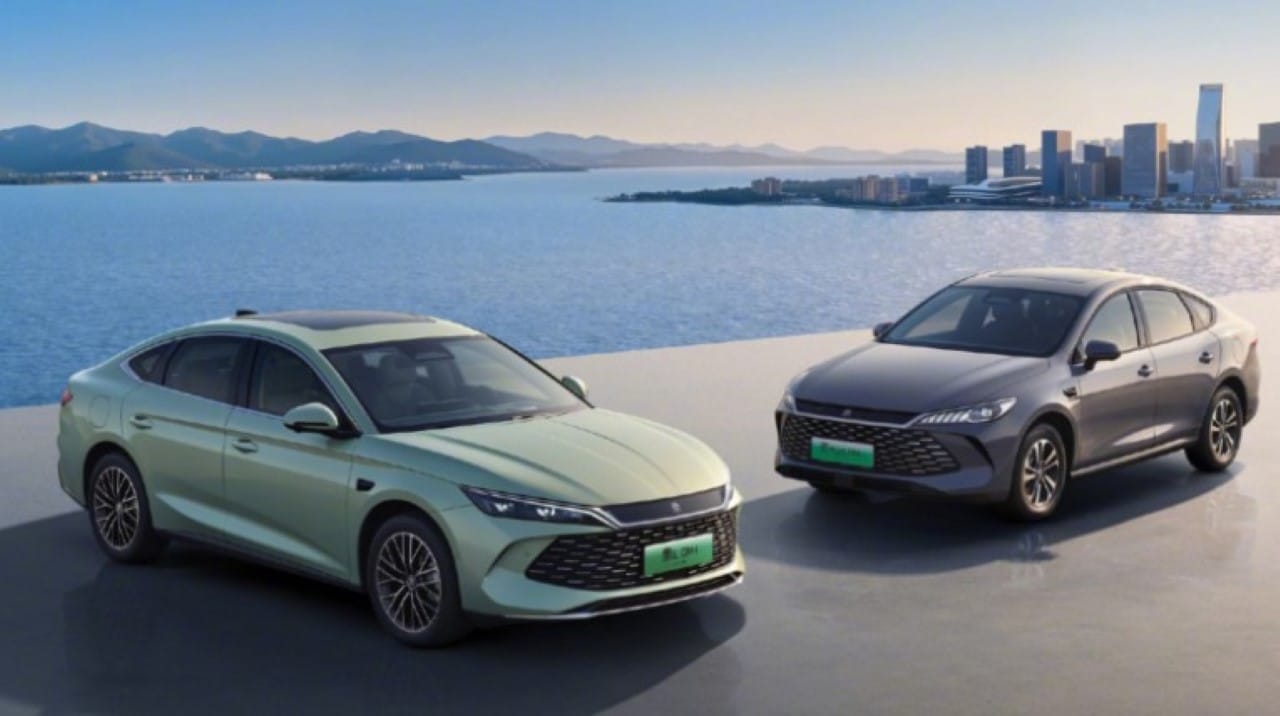
BYD has started sales of the 2026 Qin Plus DM-i hybrid sedan in the Asian market. The model arrives at dealerships with updates to the electrical architecture and a focus on energy efficiency. The new version achieves 210 kilometers of purely electric driving through the CLTC cycle. The vehicle’s combined range exceeds 2,110 kilometers. The launch aims to serve consumers looking to transition to electrified mobility.
The manufacturer’s commercial strategy establishes a new price level for the entry-level segment. Car prices vary between 79,800 and 99,800 yuan. The company uses its verticalized supply chain to reduce production costs. Passing these savings on to the end customer increases competition in the automotive sector. The market records a growing demand for vehicles with less dependence on fossil fuels.
Capacidade energy and efficiency of the mechanical assembly
The main technical modification of the project focuses on the installation of a higher density energy accumulator. The top configurations in the catalog receive a battery with 25.28 kWh of total capacity. The component makes daily commuting in urban areas possible without the need to activate the thermal engine. The electronic system manages the transition between power sources automatically. Motoristas can carry out routine journeys using only electricity.
The powertrain uses the fifth generation DM-i technology developed by the automaker itself. The system combines a 1.5-liter gasoline engine with a high-performance electric drive. The combustion block functions primarily as a generator to power the batteries during movement. The electric motor takes over wheel traction in most traffic conditions. Fuel consumption reaches 2.79 liters per 100 kilometers when the accumulator is empty.
The brand’s engineering team calibrated the control software to maximize the use of electrical energy. The official China test cycle confirms the sedan’s suitability for long journeys on a single fill. A full tank plus a full battery charge allows you to cross states without stopping at gas stations. Blade technology equips the car with lithium-iron-phosphate cells. The structural shape offers superior puncture resistance and prevents the system from overheating.
Estratégia prices and versions available in the Asian market
The 2026 sedan line is divided into three equipment packages for different customer profiles. The entry-level version focuses on cost-benefit with 128 kilometers of electric range. The basic model suits drivers with short routes and a defined budget. The two most expensive options target consumers who seek independence from the combustion engine. The intermediate variant is called Progressive. The model costs 89,800 yuan.
The top-of-the-line configuration concentrates the manufacturer’s maximum technological package under the Superior nomenclature. The historical sales volume of the Qin family amounts to hundreds of thousands of registered units. The technical update meets the demands of a public adapted to vehicle electrification. The company’s vertical integration guarantees the maintenance of profit margins even with an aggressive pricing policy. The in-house production of semiconductors and power cells makes this strategy viable.
- Purely electric Alcance achieves 210 kilometers in the CLTC test standard.
- The sedan’s combined Autonomia surpasses the mark of 2,110 total kilometers.
- Consumo of fuel registers 2.79 liters for every 100 kilometers driven.
- High-density Bateria offers up to 25.28 kWh of storage capacity.
- Tabela prices range between 79,800 and 99,800 yuan at Asian dealerships.
The Chinese government policy of tax incentives benefits vehicles with extensive electric driving capabilities. The 210 kilometer level places the model in higher tax exemption bands. Fabricantes competitors need to adjust their tables to preserve competitiveness in the midsize sedan segment. The fight for share in sales accelerates the development of lighter batteries. The market demands increasingly efficient and accessible products.
Sistemas driver assistance and vehicle safety
The DiPilot level C active safety package is part of the list of standard equipment in higher versions. The system processes information captured by multiple cameras and radars distributed throughout the body. The technology controls steering, acceleration and braking on highways with clear signs. The driver must pay attention to the route and keep his hands close to the steering wheel. Artificial intelligence monitors the environment to prevent collisions with pedestrians and cyclists.
The autonomous parking function assists the driver when maneuvering in narrow spaces. The software records frequent routes in urban environments to facilitate daily navigation. The L2+ automation level introduces premium car technologies into the middle class segment. Emergency braking acts independently if the driver does not react to an imminent obstacle. The lane keeping assistant corrects the trajectory in situations of unintentional deviation.
The popularization of these assistance resources reduces accident rates caused by human error. The chassis structure uses ultra-high-strength steels to protect occupants during severe impacts. The structural design meets the criteria established by road safety institutes on the Asian continent. Engineering focused on the integrity of the cabin in frontal and side crash tests. The vehicle has multiple airbags for additional protection.
Internal Tecnologia and updated visual identity
The car’s interior features the latest generation of the DiLink multimedia system. A 12.8-inch floating screen occupies the center of the panel and groups the main controls. The monitor has electrical rotation to work in portrait or landscape modes depending on the selected application. The software processes natural voice commands to regulate the air conditioning or tune in to radio stations. Continuous internet connection allows remote operating system updates.
Cabin sound insulation received specific attention from the development team. The adoption of double laminated glazing in the front doors prevents the entry of aerodynamic noise. The active noise cancellation system emits inverted frequencies to cancel out the sound of tires on asphalt. The internal noise level is less than 53 decibels at cruising speeds. The quiet environment minimizes passenger fatigue during long journeys.
The design department kept the aesthetic language called Dragon Face at the forefront. The wide grille displays chrome elements that resemble scales. The tapered LED headlights extend along the sides and give the sedan a dynamic appearance. The aerodynamic silhouette reduces wind drag and optimizes energy consumption on highways. The interior space accommodates five adults comfortably, while the platform houses the batteries in the floor without compromising the cabin area.





