
New BYD Qin Plus DM-i 2026 hybrid sedan achieves 210 kilometers electric range in the Chinese market


Automotive manufacturer BYD officially introduced the 2026 Qin Plus DM-i sedan to the Chinese market on January 8. The vehicle consolidates the automaker’s position in the plug-in hybrid car segment with updates focused on performance and energy efficiency. The model arrives at dealerships with prices ranging between 79,800 yuan in the entry-level configuration and 99,800 yuan in the top-of-the-line version.
The new generation of the car stands out for its ability to travel up to 210 kilometers using only electrical energy, in accordance with CLTC test cycle standards. Quando the fuel tank and battery operate together, the total range exceeds the mark of 2,110 kilometers. Essa technical combination positions the car as a competitive and affordable alternative for consumers seeking a gradual transition to electrified mobility.
Eficiência energetic and mechanical hybrid system
The operation of the Qin Plus DM-i 2026 is based on the fifth generation of the hybrid system developed by the automaker itself. The mechanical architecture integrates a 1.5-liter gasoline-powered combustion engine with a high-capacity electric drive. Nessa specific configuration, the combustion block acts mainly as an energy generator to supply the electrical system. The electric motor takes on the main responsibility of driving the wheels and delivering the power necessary for daily commuting.
Essa division of tasks between engines ensures optimized operation in different urban and highway traffic scenarios. Fuel consumption shows reduced rates even when the electrical energy reserve reaches minimum levels. With the battery completely discharged, the sedan uses just 2.79 liters of gasoline to cover 100 kilometers. Especialistas from the automotive sector point out that this efficiency rate significantly reduces operating costs for owners in the long term.
The engineering applied to the powertrain prevents unnecessary activation of the combustion engine on short journeys. The driver can carry out most daily urban journeys using exclusively stored electricity. The thermal engine comes into action automatically and silently only when the system detects the need for recharging on the move or requires extra force when overtaking and steep climbs.
Capacidades range and battery specs
The evolution in vehicle autonomy results directly from the implementation of new batteries with greater energy density. The most complete versions of the sedan receive the component with a storage capacity of up to 25.28 kWh. The technology used is the well-known Blade LFP battery, which uses lithium iron phosphate in its chemical composition. Esse structural format offers advantages in terms of puncture safety and greater durability throughout loading and unloading cycles.
The model portfolio is divided into different configurations to suit different usage profiles and budgets. The version and capacity structure presents the following technical parameters:
- Alcance in pure electric mode reaches the limit of 210 kilometers in the CLTC measuring cycle.
- Autonomia combined covers 2,110 kilometers with a full gas tank and the battery at full charge.
- Entry-level Versão delivers 128 kilometers of electric range for shorter journeys.
- Configuração Progressive hits the market with a suggested price of 89,800 yuan.
- Variante Superior, with all autonomy features, is priced at 99,800 yuan.
The CLTC cycle represents the official measurement standard used by the Chinese government to approve the autonomy of electrified vehicles. The tests simulate real traffic conditions in the country’s large metropolises, including frequent stops and speed variations. The total range of 2,110 kilometers eliminates the constant worry about refueling during long trips.
Onboard Tecnologia and advanced steering assistance
The modernization of the Qin Plus DM-i 2026 extends to the electronic safety and convenience equipment package. Intermediate and higher versions now come standard with the level C driving assistance system. Essa technological platform uses a network of high-precision sensors and cameras distributed throughout the body to monitor the environment around the car. The hardware and software suite enables L2+ level autonomous driving operations on highways and expressways.
Active safety features include functions that intervene directly in the vehicle’s controls to avoid collisions. The autonomous emergency braking system detects obstacles ahead and applies the brakes automatically if the driver does not react in time. The lane keeping assistant corrects the steering wheel trajectory if the car starts to invade the side lane without activating the turn signal. The package also includes automatic parking and memory-based navigation for frequent urban journeys.
Inside the cabin, interaction between occupants and the vehicle occurs through the updated DiLink multimedia center. The panel houses a touchscreen that can reach 12.8 inches, depending on the version chosen. The operating system processes intelligent voice commands, allowing the driver to adjust the digital air conditioning or change the radio station without taking their hands off the steering wheel. The platform offers native integration with the main navigation and entertainment applications on the market.
Design external, sound insulation and internal comfort
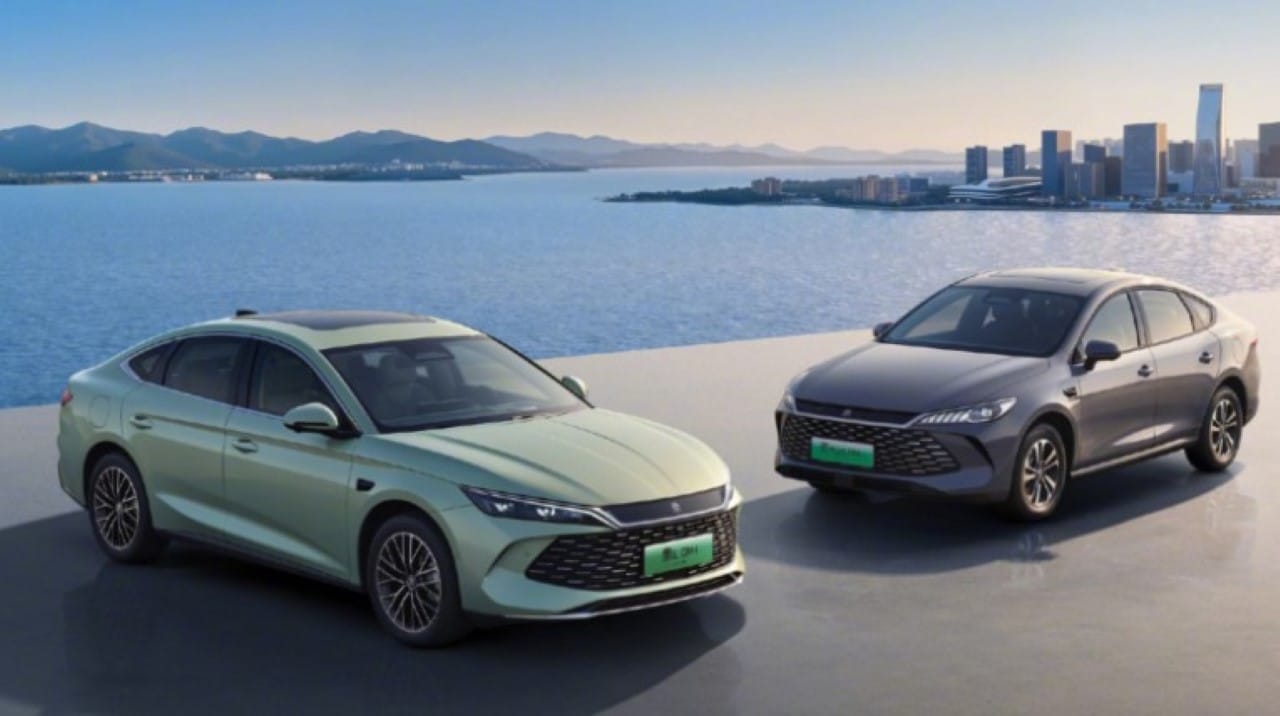
The sedan’s visual design preserves the manufacturer’s aesthetic identity, known commercially as Dragon Face. The front features a pronounced grille with chrome elements that connect to the tapered LED headlights. The body lines flow aerodynamically towards the rear, helping to reduce wind drag and improving energy consumption. The color catalog has seven different options, highlighting a new shade of gray that changes its tone depending on the incidence of sunlight.
Acoustic comfort received special attention from engineers during the development of this update. The cabin registers noise levels of less than 53 decibels when the vehicle travels at moderate speeds. Esse silence on board results from the application of sound-absorbing materials in the structure and the installation of double laminated glazing in the front windows of the more expensive versions. The active noise cancellation system emits inverse sound waves through the speakers to neutralize external noises coming from the engine and tire rolling.
The interior space accommodates five adult passengers, taking advantage of the wheelbase to ensure free legroom in the rear seat. The front seats have electrical adjustments in the top configurations, making it easier to find the ideal driving position. The center console has a clean and functional design, benefiting from the shift of the gear selector towards the steering column. Sales of the model began immediately after the launch event, expanding the offer of vehicles with plug-in hybrid technology in the largest automotive market in the world.





