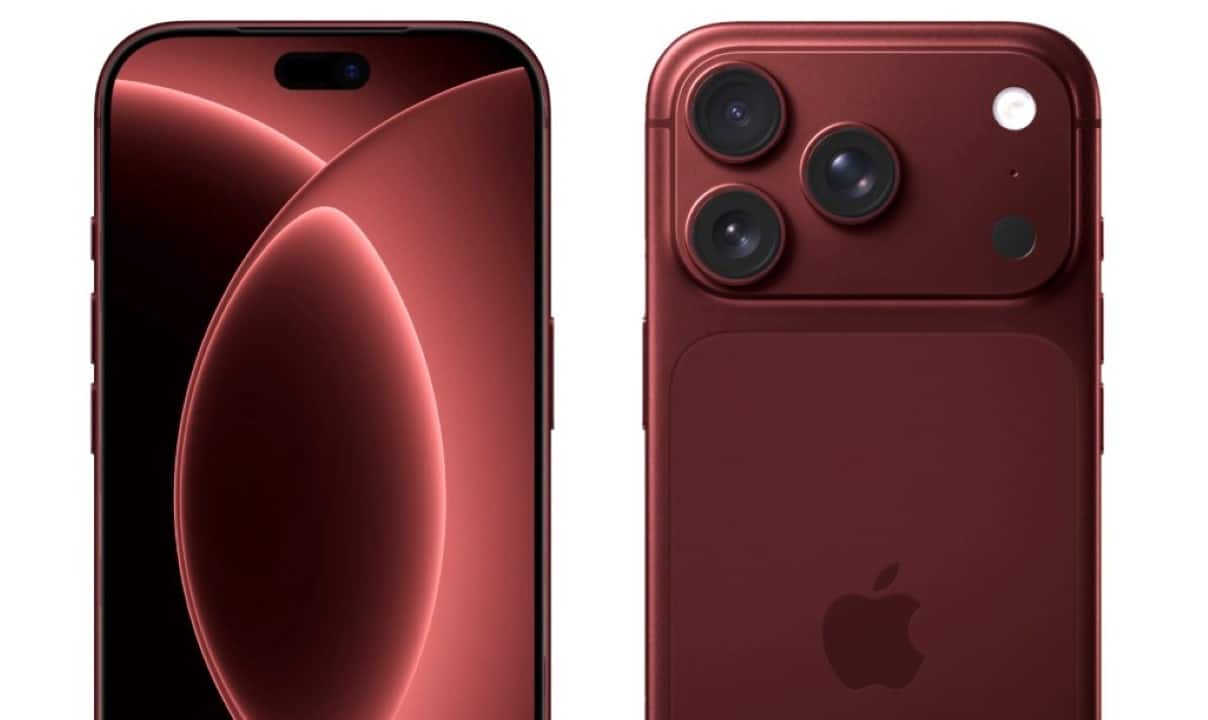
The Apple engineering team is advancing the restructuring of the image capture system for the iPhone 18 Pro line. The device features an unprecedented variable aperture mechanism on the main lens, marking a profound change in the device’s architecture. The technology allows physical control of the light entering the photographic sensor. The feature brings the smartphone’s performance closer to the results obtained by professional DSLR cameras. Especialistas in hardware point out that the innovation changes the way the cell phone processes depth of field.
Changing the hardware requires a complete modification of the device’s internal optical components. The manufacturer seeks to optimize the quality of photographs taken in low-light environments. The system also delivers a more natural background blur effect to users. The integration requires adjustments to the rear module to accommodate the new moving parts. The project requires millimeter precision to avoid mechanical failures during daily use of the equipment.
Expansão sensor and resolution capability
The design of the new smartphone includes the use of a 1/1.12-inch image sensor in advanced models. The company plans to adopt a component with a capacity of 200 megapixels. The technological leap represents a significant change in relation to the brand’s current standards. The increased density allows for high-definition image cropping without loss of detail. Light capture becomes more efficient by expanding the sensor contact area.
The implementation of larger sensors forces the company to redesign the internal structure of the photographic module. The raised plateau shape on the back of the cell phone remains, housing the new lenses. The renewed architecture makes it easier to process heavy files generated by captures at full resolution. The data flow operates in conjunction with the new processors developed for the generation. The thermal cooling of the area also receives special attention to prevent overheating during maximum quality recordings.
Hardware upgrades cover different aspects of visual capture. The focus is on the stability and precision of the lenses. The assembly of components follows strict quality control standards in partner factories.
- Mecanismo variable aperture on main camera for depth of field adjustment.
- Sensores image with enlarged dimensions to maximize detail capture.
- Sistema optical stabilization restructured to mitigate shaking during recording.
- Ultra-wide type Lentes improved to reduce distortions at wide angles.
The auxiliary cameras on the iPhone 18 Pro go through a rigorous testing cycle during development. The ultra-wide-angle lens receives new optical coatings to prevent unwanted reflections. The updated structure ensures greater clarity around the edges of photographs. The optical image stabilization mechanism gains structural reinforcements. Zoom maintains sharpness even under unstable handling conditions. Lens calibration occurs individually on the assembly line.
Aprimoramento secondary lens and stabilization
Engineers focus efforts on reducing visual noise in nighttime recordings taken with the ultra-wide lens. The problem represented a point of attention in previous generations of the device. The goal is to balance the performance of all rear sensors. Color consistency and correct exposure operate evenly at different zoom levels. Processing software works in the background to correct optical distortions in real time.
The stabilization system meets the demands of content creators and audiovisual professionals. The engineering allows the sensor to move with greater freedom within the module. Compensation for sudden movements occurs more effectively. The update supports variable aperture lenses, which integrate impact-sensitive moving parts. Motores miniature magnets control the internal displacement of parts with high response speed.
The operation of the iPhone 18 Pro depends on the A20 Pro chip. The component uses a 2 nanometer manufacturing process. Advanced lithography ensures superior efficiency in processing complex images. The processor manages the operations of the variable aperture mechanism in real time. The parameters undergo automatic adjustments as the ambient lighting changes. The silicon architecture prioritizes graphics performance without compromising the stability of the operating system.
Desempenho Processing and Energy Efficiency
The energy efficiency of the A20 Pro chip extends the usage time of the camera system. Battery life remains stable even during extended high-resolution recordings. The hardware includes a dedicated neural engine for applying artificial intelligence to photography. The technology renders instant improvements in textures, skin tones and white balance. Scene recognition occurs in fractions of a second before the final image is recorded.
The data transfer speed follows the volume of information generated by the new sensors. Maintaining the USB-C connector ensures the quick flow of large files to computers and external storage drives. The hardware ecosystem works synchronously to avoid processing bottlenecks during intense use of the device. The device’s RAM memory is also expanded to support data traffic from the photographic module.
The iOS 20 operating system introduces features programmed to exploit variable aperture hardware. The user adjusts the camera’s aperture manually through the native app interface. Creative control reaches an unprecedented level on the brand’s mobile devices. ProRAW format capture functions receive updates to support 200 megapixel density. The format preserves all raw sensor information for later professional edits.
Integração software and external finishing
Apple develops integrated editing tools based on the depth data captured by the new lens. The software makes it easy to change the focus point after taking the photograph. Post-production flexibility brings the cell phone closer to high-cost photographic equipment. Processing takes place directly on the device, without the need for third-party applications. The image gallery organizes heavy files optimally to save storage space.
The external design of the iPhone 18 Pro follows the internal transformations with specific finishing adjustments. The supply chain tests new color schemes, including shades of bronze and deep blue, as well as variations such as burgundy and dark purple. The titanium chassis receives an updated polishing process. The technique increases the material’s resistance against scratches and fingerprints. The metal alloy keeps the weight of the device balanced despite the addition of new components.
The front structure features a subtle reduction in the edges around the screen. The modification expands the useful viewing area for the user. The Ceramic Shield glass undergoes chemical improvements to increase protection against impacts and accidental falls. The set of innovations consolidates the device’s positioning in the smartphone segment aimed at professional audiovisual production. The official launch follows the company’s traditional schedule for the second half of the year.