A new spectrograph called Henrietta approaches full operability, marking a significant advance in the analysis of distant planetary atmospheres. The instrument was presented in an article published at the SPIE Astronomical Telescopes + Instrumentation conference at Copenhague, under the title “From assembly to first light: integration, testing, and commissioning of the Henrietta Exoatmosphere spectrograph”. Pesquisadores from Carnegie Observatories developed the tool to address critical limitations in characterizing worlds beyond the solar system.
The project represents a fundamental change in the way astronomers investigate distant planets. Enquanto conventional measurements such as size and mass offer a partial view of exoplanets, the Henrietta allows direct analysis of atmospheric composition, detecting gases, thermal structures and possible biosignals with unprecedented precision. Esta capability sets the instrument apart from other astronomical tools currently in operation.
Limitações of traditional metrics and the Henrietta solution
Nos In recent years, astronomers have relied heavily on measurements such as planetary size and mass to classify exoplanets. Essas metrics, however, reveal only superficial aspects of the worlds studied. Dr. Jason Williams, postdoctoral researcher at Carnegie Observatories and scientific and technical leader of the Henrietta project, explains the problem. “Mass and size only tell you so much,” stated Williams. “If you measured Earth and Venus that way, you’d think they were almost the same planet. But we know their atmospheres and their conditions are completely different.”
Terra and Vênus perfectly exemplify this limitation. The 2 planets have similar properties in terms of mass and size, but radically different environments. Atmospheres differ completely in composition, density, and ability to support life. Henrietta was designed precisely to close this knowledge gap, transforming distant points of light into chemically rich worlds with well-defined identities.
The spectrograph separates light into its constituent wavelengths with exceptional precision. Essa capability reveals specific spectral signatures of molecules such as water vapor, carbon dioxide and methane. Observações of these substances are critical for identifying planets that may harbor conditions suitable for life or that challenge existing models of planetary formation. The instrument works by analyzing starlight that filters through a planet’s atmosphere during transit events.
Integração, tests and path to first observation
The development of Henrietta involved multiple complex phases including assembly, integration and extensive testing before reaching what astronomers call “first light” the moment when an instrument captures its first astronomical data. A second study presented on Copenhague, titled “Control architecture for Henrietta spectrograph on the Swope Telescope”, details the sophisticated architecture that enables its performance.
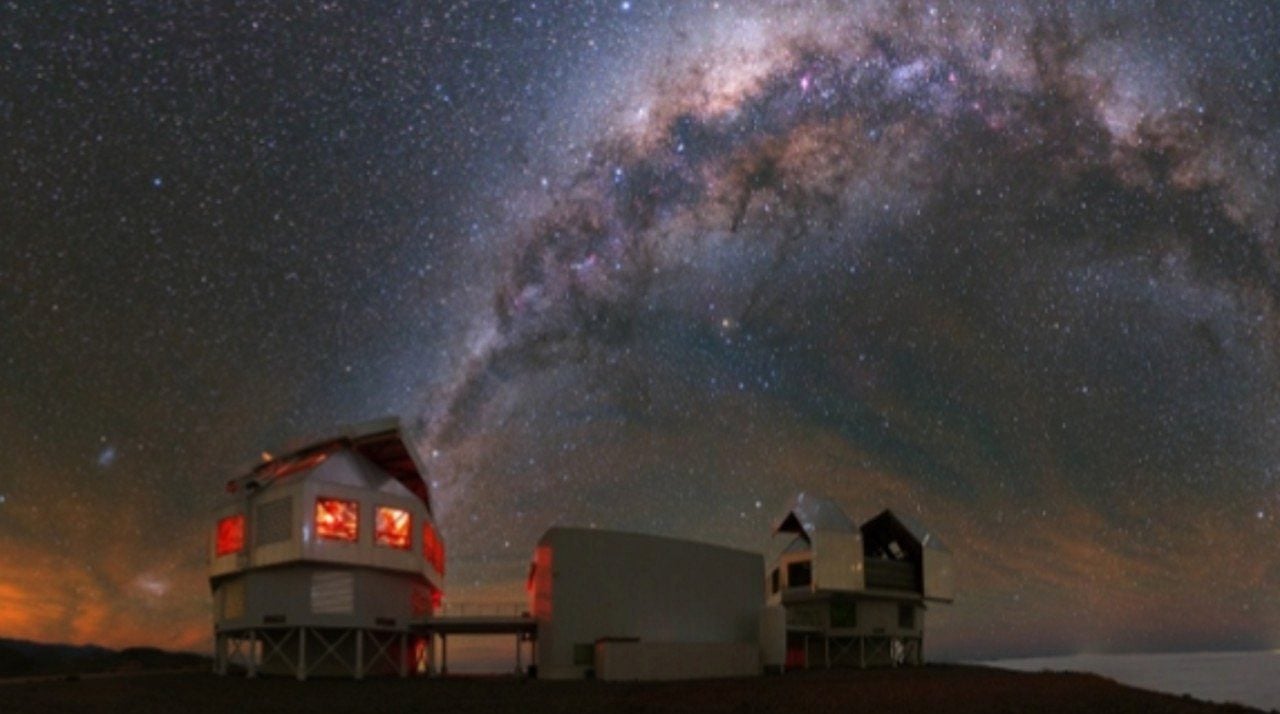
The spectrograph was mounted on Telescópio Swope, located on Observatório of Las Campanas of Carnegie Science on Chile. The institution benefits from carefully engineered optical design, optimized for maximum stability and sensitivity. Rigorous Calibração ensured that the instrument detects subtle spectral signatures as starlight filters through the planetary atmosphere during transits. Este preparation process consumed significant resources of time and technical expertise.
The design of the Henrietta reflects a broader trend in contemporary astronomy: the shift toward specialized tools that complement large observatories by focusing on targeted measurements of high scientific impact. The instrument is not the largest ever built, but its precision and adaptability position it among the most scientifically productive in its class.
The technology used in Henrietta represents consolidated innovation in astronomical instrumentation. Sua construction required perfect integration of mechanical, optical and electronic components. Testes rigorously validated every functional aspect before installation on Telescópio Swope. Essa systematic methodology reduces risks of malfunction after deployment in a remote observatory.
Sophisticated control Sistema ensures operational precision
Tão Important to the optical capabilities of the Henrietta is the advanced control architecture detailed in the second study. Este system coordinates mechanical, optical and software components of the instrument, ensuring observations remain stable for extended periods and under varying environmental conditions. Implementing automated control allows astronomers to adjust the instrument in real time.
The system makes adjustments for factors such as:
- Flutuações temperature during observation nights
- Drift accumulative mechanic in precision components
- Atmospheric Interferência caused by air disturbances
- Variações in structural support stability
- Oscilações vibrations induced by adjacent equipment
Esse level control proves vital when measuring extremely weak signals, where even minor instabilities compromise data quality. The integration of automated processes with user supervision establishes a balance between absolute precision and operational flexibility. The result allows for efficient observation campaigns without sacrificing scientific integrity.
The innovations highlight how modern astronomy increasingly depends on seamless integration between hardware and software. The Henrietta’s capabilities do not result exclusively from its optical design, but also from the intelligent systems that manage and optimize its performance during astronomical observations. Essa integrated approach distinguishes next-generation instruments from previous equipment.
Preenchendo gaps in knowledge about exoplanetary atmospheres
Henrietta arrives at a time when the study of exoplanets is evolving rapidly, driven by discoveries from missions such as Kepler and TESS. Essas missions have identified thousands of planets, but understanding their atmospheres remains among the field’s most pressing challenges. Instrumentos like Henrietta were designed to fill this gap by offering more detailed analysis of planetary environments across a wide range of star systems.
Focar in atmospheric characterization allows Henrietta to complement larger space-based observatories and build a more complete picture of planetary diversity in the galaxy. Suas observations reveal unexpected chemical compositions, new atmospheric dynamics or even signs of processes linked to habitability. Cada collected dataset adds piece to the puzzle of how planets form and evolve.
The transition of Henrietta to full scientific operations represents more than simply a newly available instrument. Sinaliza shift toward deeper, more nuanced exploration of worlds beyond the solar system. The ability to analyze alien atmospheres with increasing precision brings astronomers closer to answering one of humanity’s oldest questions: What are these distant worlds really like?