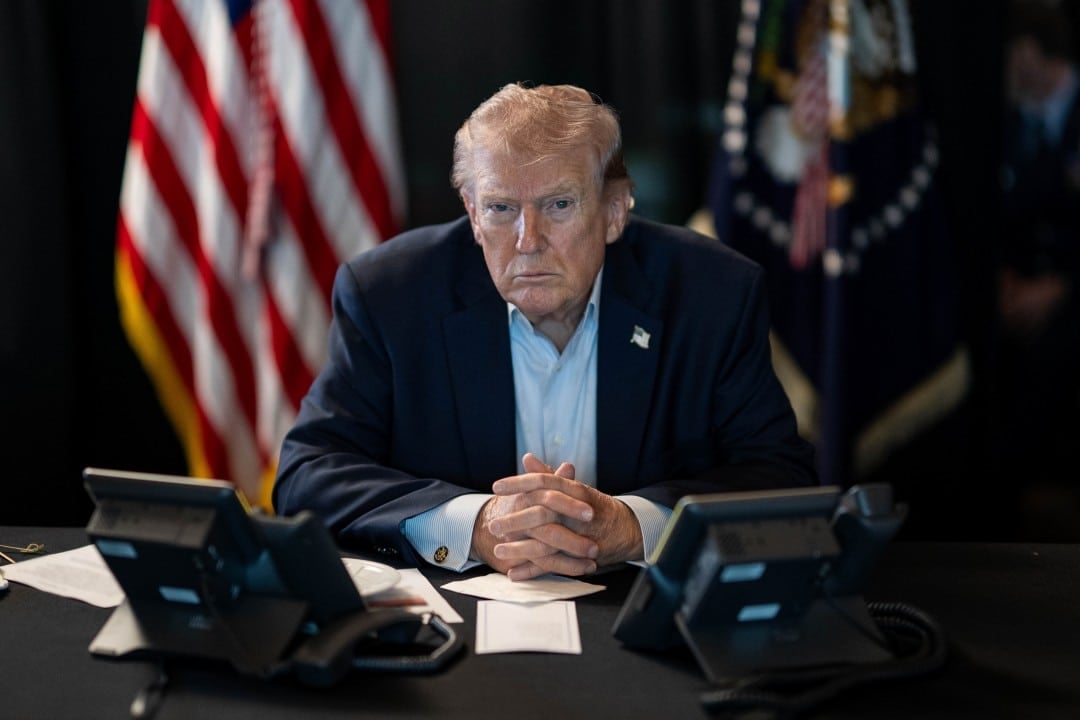
The Trump government is preparing a confidentiality agreement that covers the entire federal administration to prevent employees from sharing information with media outlets. The measure was disclosed through a draft notice published on Diário Oficial Federal on July 26 by Escritório of Administração of Pessoal (OPM).
Acordo of Confidencialidade (NDA) is intended to monitor the consent of current and new Federal employees to protect confidential, classified or proprietary information created or obtained in the course of their duties. Cada government ministry can choose whether or not to use this agreement. Após publication, there will be a 30-day public comment period before final implementation.
Government Justificativa and previous incidents
The Trump government presents two main examples to justify the measure. Federal Autoridades released information without authorization to New York Times and Washington Post prior to the U.S. raid on Venezuela in early 2026. The draft statement highlights that the media delayed releasing this information to avoid putting U.S. soldiers at risk.
The editor-in-chief of New York Times stated that they did not have confirmed details about the operation to detain Venezuelan president Nicolás Maduro and that they had not withheld publication of the article at the government’s request. A spokesperson for Washington Post declined to comment on its journalistic activities. Segundo the draft, a federal official also released personal information, including names, addresses, emails, phone numbers and job titles, of approximately 4,500 Serviço employees of Imigração and Alfândega (ICE) earlier this year, putting their safety at risk.
Definição wide protected information
The draft notification broadly defines classified information as:
- Assuntos internal operations of government ministries
- Assuntos personnel and administrative procedures
- Procedimentos procurement and bidding
- Material classified in pre-decision or deliberation phase not yet public
- Qualquer information that should not be disclosed in accordance with applicable legislation
The draft states that the disclosure of such information harms the functioning of government ministries and undermines public trust. The government argues that the measures do not impose “substantial new restrictions” on employees and that the rights of whistleblowers will be protected in accordance with current legislation.
Information Constraints Histórico
Essa latest proposal represents the most advanced step in the Trump government’s efforts to restrict disclosure of internal plans and data. Last year, Secretário of Defesa began requiring Departamento of Defesa employees to sign confidentiality agreements (NDAs) before receiving information about projects, initiatives, or work results. The extension of this practice to the entire federal administration marks a significant escalation in government secrecy policy.
Oposição from the server union
Federação of Funcionários Públicos (AFGE), the largest federal employee union, strongly condemned the draft notice. The union claimed it contained “extremely vague information” and represented an attempt to silence employees. The organization believes the government is pressuring ministries to require employees to sign confidentiality agreements. Segundo to AFGE, employees who refuse to sign risk dismissal.
The union’s position reflects concerns about freedom of expression in the public sector. AFGE argues that the breadth of definitions of classified information allows the government to silence internal criticism and reports of wrongdoing. The union also questions the vagueness of the draft, which according to the entity does not offer sufficient clarity about what information would actually be protected by the agreement.
Próximos steps and implementation
The 30-day public comment period provides an opportunity for agencies, unions, and transparency advocates to file formal objections. Após During this period, OPM will compile the comments received and decide on the final implementation of the proposal. Como Each ministry will have the autonomy to adopt the agreement or not, implementation may vary between different federal agencies.