Streaming services in Japan add 291 episodes from the classic phase of Dragon Ball Z


The 291 episodes of the animated adaptation Dragon Ball Z were included in the catalog of several streaming services on Japão. The release of full content allows local subscribers to follow the entire production without viewing restrictions. The movement meets a historic demand from the Asian public for easier digital access to the work starring Son Goku and Guerreiros Z. Companies in the entertainment sector seek to attract both nostalgic viewers and new generations of consumers.
Availability covers platforms of different sizes and business models in the Japanese market. The anime focused on martial arts and space battles maintains its commercial relevance decades after its original airing. The dispersed digital distribution strategy ensures that users choose the service that best suits their monthly budget. Especialistas in the media point out that the presence of classic titles works as a fundamental pillar for customer retention in these video on demand applications.
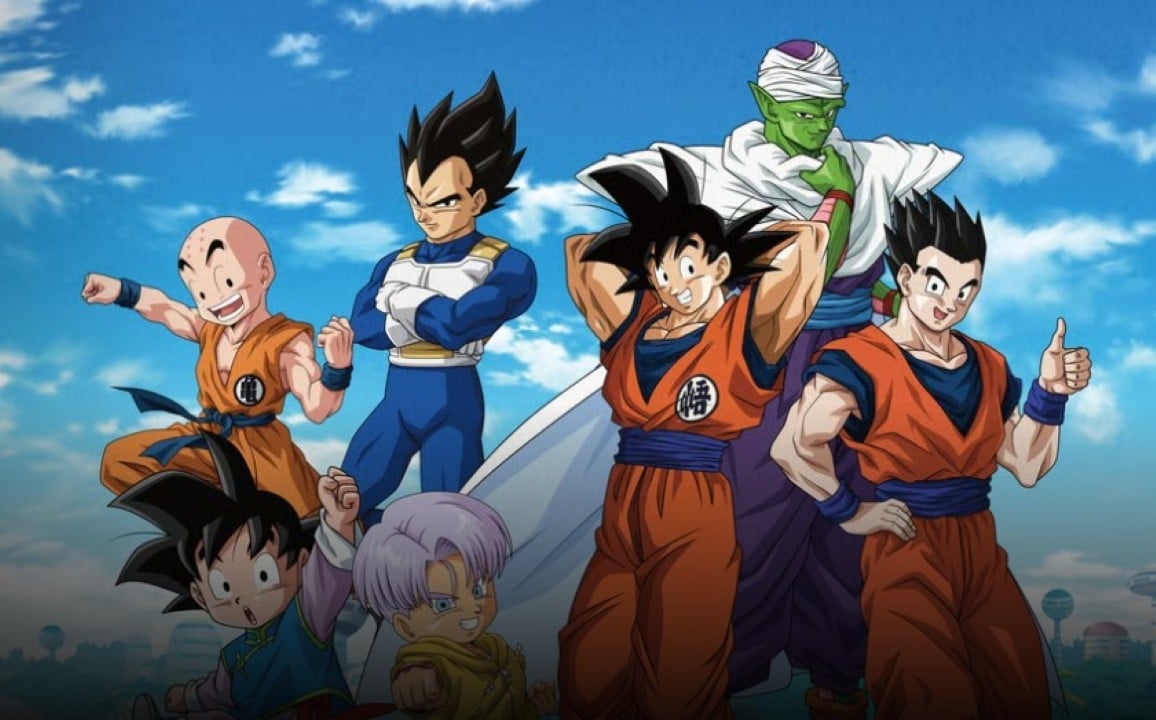
Serviços digital with full access to the anime
The Japanese video-on-demand market has diversified options for those interested in animation. The list of platforms now offering the full series includes global giants and specific regional services. Users can access content through mobile devices, computers and smart televisions. Image and sound quality varies depending on the plan contracted with each operator and the consumer’s network infrastructure.
The official list of applications with the available title presents varied alternatives for the public. The unrestricted catalog is active on the following digital transmission platforms:
- DMM TV (550 yen monthly fee with 14-day free trial)
- U-NEXT (2,189 yen monthly fee with 31-day free trial)
- d Anime Store (monthly fee of 660 yen with the first month free of charge)
- Netflix
- Hulu
- FOD
- ABEMA
The absence of production in certain catalogs was also confirmed by local distributors. Plataformas like Lemino, Disney+, TELASA, TVer and YouTube do not have the Z phase broadcasting rights at the moment. License segmentation reflects the complex copyright negotiations in Asian territory. Temporary exclusivity contracts usually dictate the rotation of works of this size among technology companies.
Condições commercial and subscription packages
DMM TV positions itself in the market with an aggressive pricing strategy to attract fans of the franchise. The price of 550 yen per month represents one of the most affordable options in the segment. The company offers an additional incentive of 550 bonus points for new registrations on the platform. The service also groups other productions of the same lineage, such as Dragon Ball, Dragon Ball GT, Dragon Ball Kai, Dragon Ball Super and Dragon Ball Daima. Compatibility with systems like Fire TV Stick makes viewing on larger screens in homes easier.
The U-NEXT service adopts a premium positioning within the streaming offer. The cost of 2,189 yen reflects the delivery of a broader catalog and additional playback features. The 31-day trial period serves as the main tool for converting new subscribers. d Anime Store operates in an intermediate price range, focusing exclusively on the Japanese animation niche. Competition between companies forces the creation of constant promotional packages to keep the user base active.
Formatos physical and on-demand rental
The consumption of physical media maintains a solid base of followers in the Japanese market. TSUTAYA DISCAS continues to operate its DVD rental system for consumers who prefer the traditional format. The model serves regions with lower broadband penetration or collectors who value tactile media. The physical rental process resists the massive advance of digital platforms in the country, maintaining distribution logistics via the post office.
The digital rental of individual episodes appears as a third way for the public. Amazon Prime Video makes this type of separate transaction available on its system. The user only pays for the specific content they want to watch, without the need to maintain an active monthly subscription. The format attracts viewers looking for specific narrative arcs or isolated battles in the plot. Consumption flexibility dictates the rules of the current home entertainment market.
Broadcast Histórico and impact on television
The original broadcast of Dragon Ball Z took place on the broadcaster Fuji TV between April 1989 and January 1996. The production recorded an average audience of 20.5% during its years of uninterrupted broadcast. The index represents a historic milestone for animation programs on Japanese television. The consistency of the numbers guaranteed the longevity of the work and the continuous production of new weekly episodes. The responsible studio needed to adapt the rhythm of the animation to follow the publication of the original printed material.
The development of the plot during the 1990s followed the evolution of traditional animation techniques. Animators used thousands of hand-drawn cels to create the high-speed combat sequences. Manual work required large teams and strict weekly delivery deadlines. The transition to digital format in the following decades highlighted the artistic value of the classical method used in the series. Especialistas in sequential art often analyze fight choreography as a technical reference for new productions.
Legado cultural and franchise expansion
The narrative follows the maturation of the characters in confrontations on an interplanetary scale. The scripts introduced concepts that redefined the action genre in global pop culture. The long arc structure, focused on training and overcoming physical limits, has become a standard for the Asian entertainment industry. The export of the format generated a billion-dollar product licensing market. The brand moves sectors of toys, clothing and electronic games to the present day on several continents.
The business model structured around the brand serves as a case study for media corporations. Copyright management involves multiple companies, from the original publisher to dubbing studios and soundtrack producers. Synchronizing releases across different platforms requires complex legal planning. The simultaneous entry into competing services demonstrates a strategy focused on mass access. Continuous revenue finances the development of new projects within the same fictional universe, ensuring the survival of intellectual property.