Michael Schumacher’s quiet resilience: A look at the F1 legend’s life and legacy in 2026
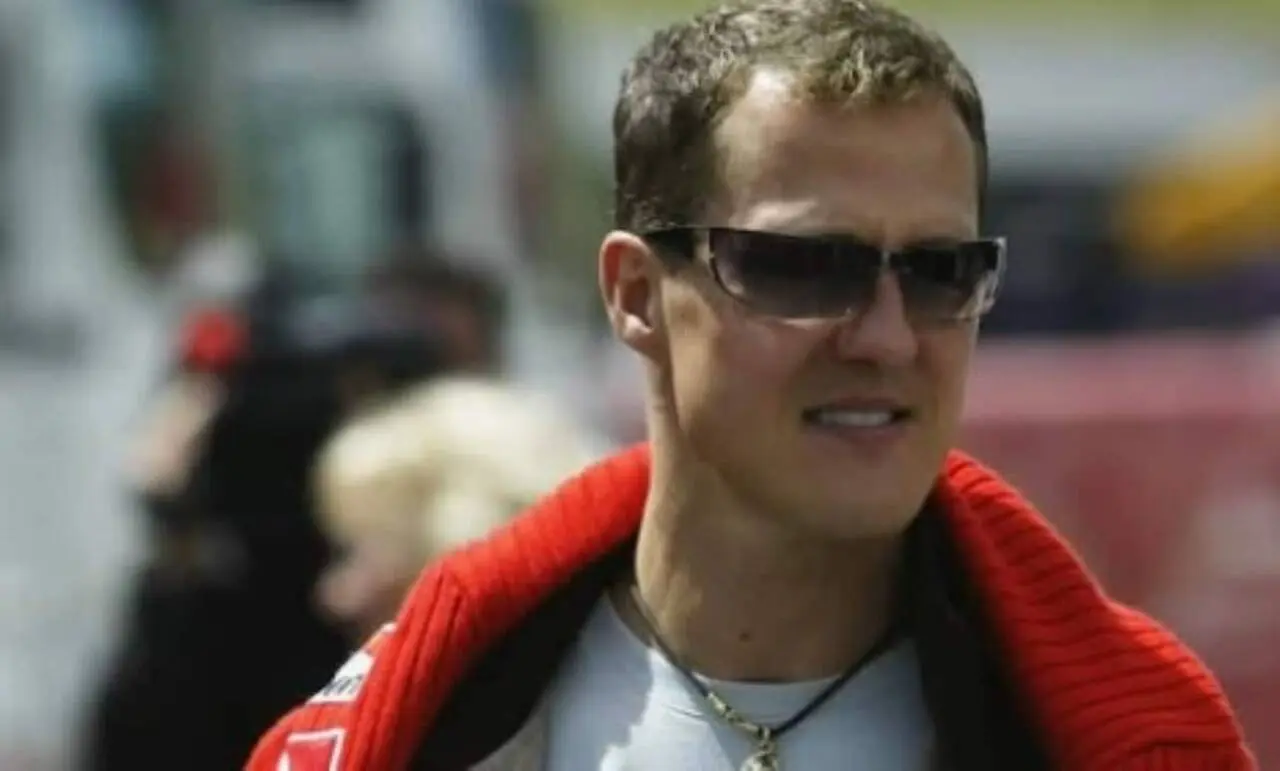
As May 2026 unfolds, Michael Schumacher, one of Formula 1’s most revered figures, continues his private and intensive rehabilitation journey, more than twelve years after a devastating skiing accident in the French Alps. Now 57 years old, the seven-time world champion remains under continuous home care, a testament to his family’s unwavering dedication and the advanced medical support surrounding him.
His condition, though shrouded in strict medical secrecy by his family, occasionally surfaces through carefully worded statements and observations from close associates. These rare glimpses paint a picture of ongoing treatment and a life lived away from the public eye, yet forever etched in the hearts of motorsport fans worldwide.
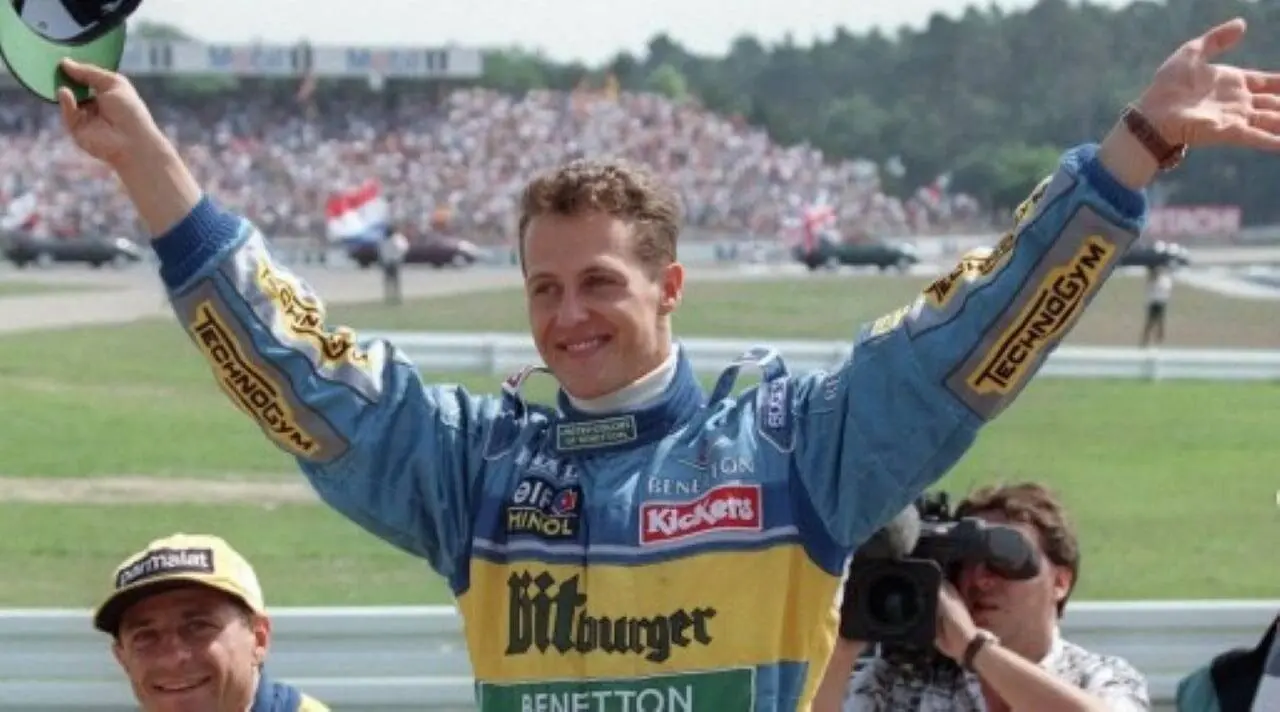
Schumacher’s current status and the fight for privacy
The F1 icon, who turned 57 in January, has been receiving specialized care at his residences in Gland, Switzerland, and a summer home in Mallorca, Spain, since 2014. His wife, Corinna Schumacher, has been the steadfast guardian of his privacy, managing his medical care and fiercely protecting the family’s right to confidentiality. This commitment has led to legal actions against media outlets that have published speculative reports or unauthorized images.
Recent insights, though unofficial, have offered slight updates on his daily life. In January 2026, journalist Jonathan McEvoy reported that Schumacher is not bedridden, utilizing a wheelchair with the assistance of his medical team, and maintains some degree of interaction with his environment. This statement, while offering a hint of his physical state, underscores the highly controlled flow of information. Flavio Briatore, Schumacher’s former boss at Benetton and currently a consultant for Alpine, also reflected on the situation in January 2026, telling Italian newspaper Corriere della Sera that he prefers to remember Schumacher smiling after his many victories, highlighting the emotional impact of the situation on those who knew him well.
Further reports, from former Italian driver Riccardo Patrese in February 2026, suggested Schumacher had developed the capacity to sit, recognize faces, and make eye signals. However, Patrese himself clarified that these accounts were based on information up to six years old, emphasizing the outdated nature of much of the circulating news. The family’s legal team remains vigilant, as evidenced by the February 2025 conviction of former security guard Markus Fritsche and accomplices Yilmaz Tozturkan and Daniel Lins for an attempted extortion of the family, demonstrating the constant challenges faced in maintaining their privacy and security.
Extensive care and enduring connections
The extensive medical care required for Schumacher’s ongoing treatment is estimated to cost “tens of thousands of pounds per week,” according to reports by the Daily Mail. This substantial investment highlights the complex and multidisciplinary nature of his rehabilitation, a continuous effort to provide the best possible quality of life following his severe traumatic brain injury. Such advanced care typically involves a dedicated team of doctors, nurses, therapists, and support staff, working around the clock.
Despite the strict privacy, a few close friends have maintained contact. Jean Todt, Schumacher’s former team principal at Ferrari, is one of the confirmed exceptions, with frequent visits to his longtime friend. These visits offer a rare bridge to Schumacher’s past, symbolizing the enduring bonds forged during their legendary years in Formula 1.
- 7 Formula 1 World Championship titles (1994, 1995, 2000, 2001, 2002, 2003, 2004)
- 91 Grand Prix victories, a record at the time of his retirement
- Competed for Jordan (1991), Benetton (1991–1995), Ferrari (1996–2006), and Mercedes (2010–2012)
- His seven world titles are a record he shares with Lewis Hamilton
- Considered one of the greatest drivers in the history of motorsport
A legacy that transcends the track
Michael Schumacher’s impact on Formula 1 extends far beyond his remarkable statistics. His era at Ferrari, particularly with technical director Ross Brawn and team principal Jean Todt, transformed the Scuderia into an unbeatable force, creating one of the most dominant periods in the sport’s history. His relentless pursuit of perfection, combined with his exceptional driving skill and strategic acumen, set new benchmarks for future generations.
The Schumacher name continues to resonate in motorsport through his son, Mick Schumacher, who has followed in his father’s footsteps, competing in Formula 1 and now in endurance racing. Mick’s career serves as a poignant reminder of his father’s enduring influence and the family’s deep roots in the sport. His daughter, Gina-Maria Schumacher, has also achieved success in equestrian sports, reflecting the family’s diverse talents.
As the motorsport world looks ahead, Schumacher’s legacy remains a powerful force, inspiring new talents and captivating fans with memories of his unparalleled achievements. His ongoing battle, though private, also highlights the critical importance of brain injury research and the long-term care required for such conditions. The unwavering support from his family and close friends, alongside the global outpouring of respect, continues to define the enduring narrative of a true sporting icon.