Toyota RAV4 debuts Panasonic intelligent system with expansion to 170 global markets
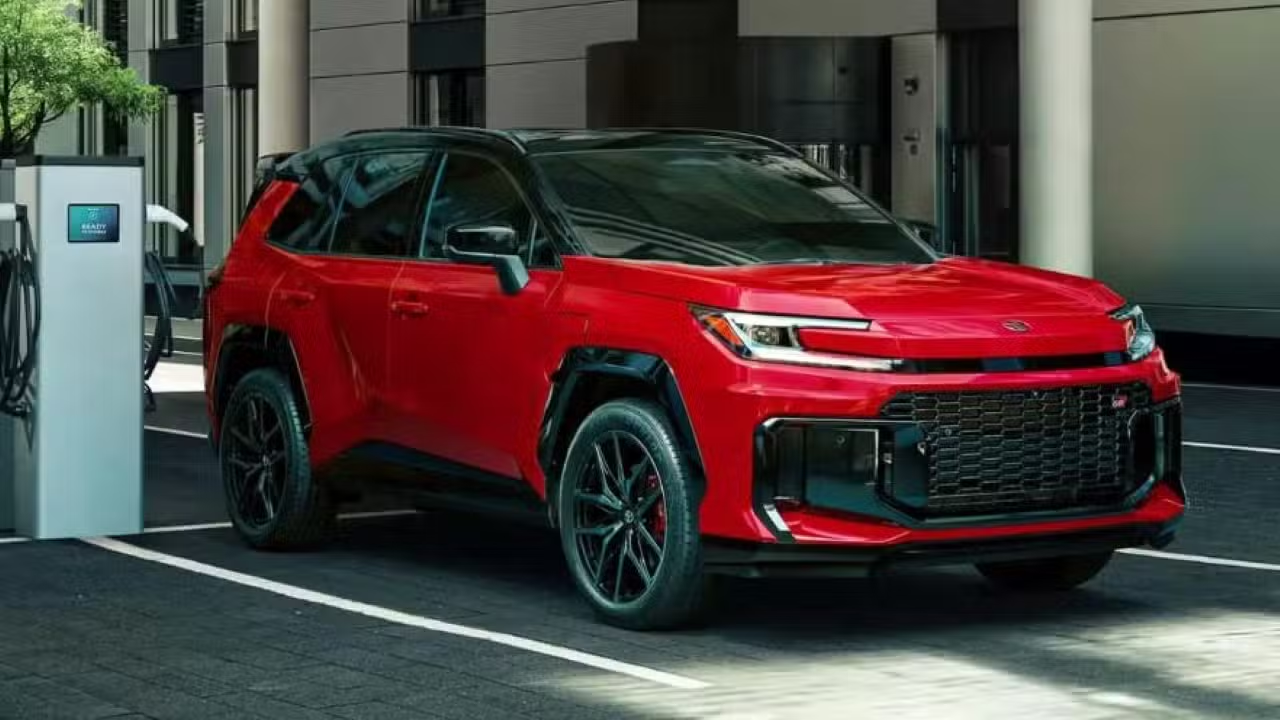
Toyota Motor Corporation has begun global distribution of its new generation of vehicle infotainment systems in partnership with Panasonic Automotive Systems. The Toyota RAV4 sport utility vehicle serves as the first model to receive digital technology. The launch schedule began with América from Norte in February 2026. The automaker plans to expand the equipment’s offering to more than 170 countries and regions, including the European market, over the next few months.
The platform marks the advancement of companies in the software-defined vehicle segment. The format allows the car to receive continuous system updates without the need to go to a dealership. The equipment centralizes connectivity, navigation and driver assistance commands in a single processing module. Panasonic developed the solution to establish a superior standard of interactivity, focusing on road safety and quick response to commands while driving.
Integração with the Arene platform and digital evolution
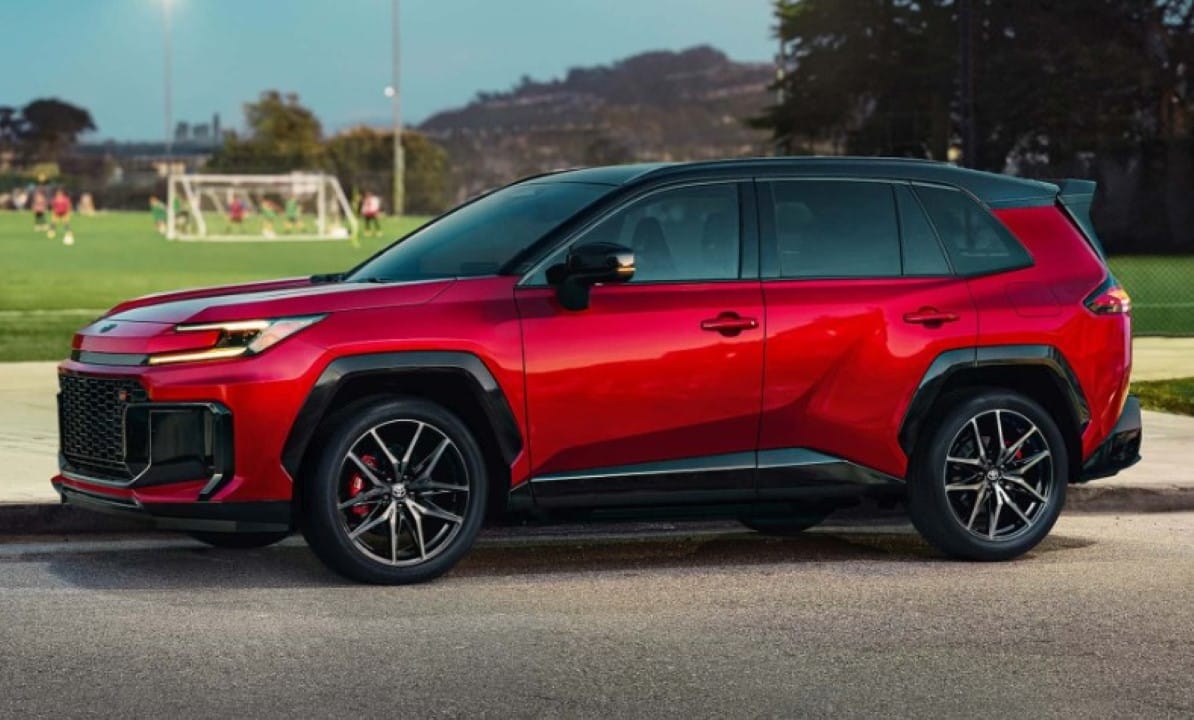
The Toyota RAV4’s multimedia system functions as a strategic core connected to the Arene software platform. The digital architecture was created by the Japanese automaker itself to unify the vehicle’s functions. The integration model ensures that the car evolves technologically after leaving the factory. The data packages improve the control unit’s performance and calibrate the assisted driving functions remotely.
The collaboration between the hardware provided by Panasonic and the software of Toyota creates a stable operating environment. Joint engineering seeks to keep the sport utility vehicle updated in the face of rapid innovations in the automotive sector. Cloud processing underpins the intelligent voice interface, which understands natural commands with high response speed. The driver can adjust the air conditioning and change the GPS route without diverting attention from the traffic.
Large-scale development required a restructuring of both companies’ technology teams. The project’s priority fell on the user experience and the fluidity in the transition between menus. The system supports wireless mirroring of mobile devices and offers dynamic navigation with real-time traffic data. Customizing the home screen allows authentication of different driver profiles.
High-definition, energy-efficient Telas
The SUV’s internal panel underwent optimizations to house the new high-resolution displays. The screens vary between 10.5 and 12.9 inches, depending on the version chosen by the buyer. The manufacturer applied LCD bonding technology to the monitors to eliminate solar reflections and increase the clarity of graphic information. The redesigned hardware takes up less space in the center console, resulting in a cleaner interior environment.
Sustainability guided the production of electronic components for the new multimedia center. Engineers achieved a significant reduction in the overall weight of the display parts and processing boards. Reducing the mass of the equipment helps save fuel and increases the vehicle’s overall range. Energy efficiency occurs in parallel with increased data processing capacity.
Hardware innovations in the new generation of infotainment include:



- Atualizações remote software via the cloud for continuous function improvement.
- High thermal conductivity Materiais to prevent processor overheating.
- Native Sincronização with music apps and traffic services.
- Ajuste automatic temperature and seat position via profile recognition.
Resistance to extreme temperature variations represents a mandatory requirement for global distribution. The internal structure dissipates heat generated during prolonged use of the GPS or when playing heavy media. Thermal control preserves the useful life of electronic components and prevents system crashes. The absence of unnecessary physical buttons makes cabin maintenance and cleaning easier.
Sistemas advanced assistance and active safety
The electronic architecture of the Toyota RAV4 integrates the multimedia center with the Sistemas Avançados, Assistência and Condutor. External cameras and proximity sensors send data directly to the digital dashboard. The monitor displays imminent collision warnings and lane keeping assist guidance with easy-to-interpret graphics. The visual interface was designed to deliver critical information at the right time, without causing distractions to the driver.
The equipment’s connectivity includes continuous recording capabilities through integrated cameras. The image recording function provides accurate evidence in case of traffic accidents. The system also assists the driver during complex parking maneuvers on narrow urban streets. The deep integration between entertainment and safety reflects the automaker’s goal of reducing serious accident rates.
The infotainment module operates as the main communication bridge between the car’s artificial intelligence and the user. The ability to receive remote updates ensures automatic installation of new security protocols. Software patches close digital vulnerabilities and protect the system against cyber intrusions. The vehicle maintains an updated defense standard throughout its life cycle.
Expansão international and corporate transition
The implementation of the technology in 170 regions requires a technical support infrastructure adapted to the laws of each country. Panasonic configured the platform to operate in multiple languages and process maps of different continents. The versatility of the software ensures the correct functioning of navigation tools on European highways and American cities. Regional adaptation sustains the utility’s competitiveness in the global market.
Advances in the vehicle software segment set the stage for a structural change in the technology supplying company. Panasonic’s automotive division will undergo a rebranding process in the coming years. Starting April 1, 2027, the corporate arm will adopt the official name of Mobitera Co., Ltd. The change consolidates the company’s identity as a developer of smart mobility solutions.
The global automotive market is going through an accelerated transition towards connected and electrified models. The strategic partnership between the two Japanese corporations provides the technological base necessary to keep up with consumer demands. The new multimedia center transforms the car’s interior into a productive and adaptable space. The project establishes guidelines for the future of autonomous driving and digital integration in the brand’s next launches.
Veja Tambem em Latest News (EN)

President Putin denies threats to Europe after drone crash in Romania; Moscow suggests Ukrainian origin

Bryan Bergougnoux passes away at age 43 due to sudden illness before tournament in France
Former French player Bryan Bergougnoux dies aged 43 after suffering a sudden illness on the way to a legends tournament

2027 total solar eclipse boosts global tourism with longest dark time of century

Sony implements higher bitrate on PlayStation Portal to optimize game streaming

Apple releases iOS 26.4 update focusing on music organization and data privacy

Front panel leak indicates that Apple will adopt smaller dynamic island in the iPhone 18 line

Adjustments in the iOS 26.4 system extend battery life on iPhone devices
Bryan Bergougnoux, former three-time champion Lyon midfielder, dies aged 43 after a sudden illness on the way to the tournament

NASA and CNES satellite detects 19.7 meter waves in the North Pacific in 2024, an ocean record in the open sea

Samsung Galaxy: One UI 9 requires password to turn off device and strengthens security in beta