

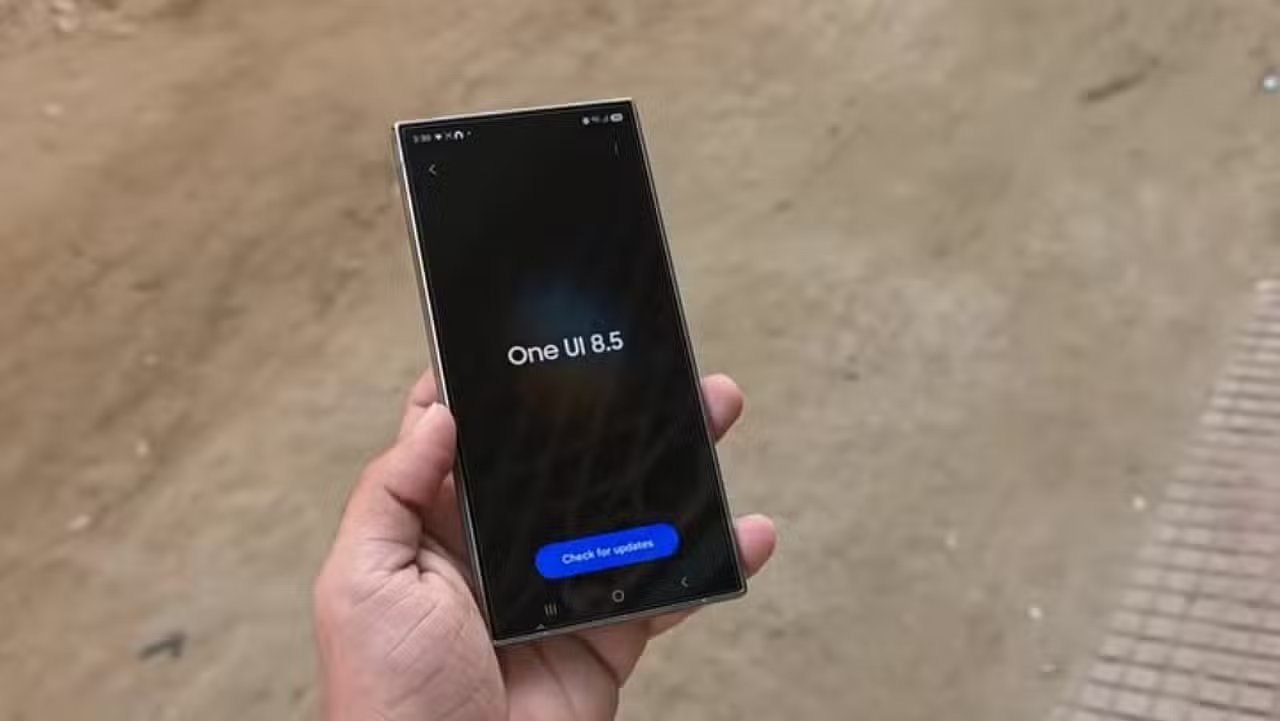
Samsung began global distribution of the One UI 8.5 interface on May 11, 2026. The South Korean manufacturer made the software package available for more than 40 models of cell phones and tablets in a few weeks. The volume of devices updated simultaneously exceeds the technology industry’s usual schedule. The release ranges from premium devices to more affordable options from the current catalog.
The rapid progress in the delivery of the operating system reflects a change in the company’s server infrastructure. The company prioritized agility to ensure security fixes and new features reached consumers quickly. Especialistas from the telecommunications industry note that the fragmentation of the Android system often delays these processes. The brand’s current strategy seeks to mitigate this historical problem of slowness.
Estratégia global simultaneous distribution reaches dozens of devices
The Samsung update schedule gained unprecedented speed in the first half of this year. Shipping of the data package began in selected markets and quickly expanded to other regions. The manufacturer’s network infrastructure supported the massive download traffic without experiencing serious instabilities. Esse technical performance ensures a smooth transition to the new software version.
The globalized approach contrasts with the long-phased release tactics adopted in the past. Anteriormente, users waited months for the installation file to become available in their home countries. The new format reduces the disparity in resources between consumers on different continents. Uniformity in user experience strengthens brand loyalty in the global mobile device market.
The company’s software engineers worked on optimizing the source code to enable this mass implementation. Adapting One UI 8.5 required rigorous compatibility testing with different processors and RAM memory capacities. The practical result demonstrates efficient logistical planning on the part of the corporation. The execution of the project meets the growing demands for digital security and operational fluidity on smartphones.
Inclusão of entry models redefines manufacturer support standard
The presence of the Galaxy A16 smartphone in the first wave of updates represents a milestone in the company’s policy. Devices classified as entry-level models traditionally occupy the back of the queue on technical support calendars. The decision to prioritize cheaper devices changes the competitive dynamics of the entry-level segment. Buyers of affordable phones now receive the same upfront treatment as customers of the more expensive lines.
Essa democratization of access to software innovations extends the useful life of equipment. Planned obsolescence has a direct impact when manufacturers keep operating systems updated for longer periods. The end consumer saves financial resources by postponing changing their cell phone. The initiative also generates positive impacts on the Asian corporation’s sustainability and electronic waste reduction goals.
The catalog of products covered includes the Galaxy S, Galaxy Z and Galaxy A families. The lines aimed at productivity and resistance, such as Galaxy M, Galaxy Tab and Galaxy XCover, are also part of the official shipping schedule. The breadth of this coverage caters to varied profiles of daily use. Estudantes, executives and field workers receive the same productivity tools simultaneously.
Otimização system and visual improvements reach users
The One UI 8.5 installation package carries profound changes to the system’s visual architecture. Developers have redesigned icons, settings menus and notification panels to make everyday navigation easier. The interface features smoother screen transitions that are more responsive to the user’s touch. The minimalist design reduces visual clutter and highlights essential information on the main screen.
Power management has received special attention in this software build. Artificial intelligence algorithms monitor usage patterns to suspend idle apps in the background. Essa technical intervention results in extended battery life during working hours. Owners of devices with smaller batteries will notice the difference more immediately after a reset.
The security of stored data gained new layers of cryptographic protection. The privacy dashboard now displays detailed reports on which apps access the user’s camera, microphone, and location. Blocking abusive permissions is just a tap on the settings screen. The integrity of personal information remains a priority in the development of the mobile platform.
Relação complete list of smartphones and tablets compatible with the new version
The official list released by the manufacturer details all equipment capable of receiving the installation file at this time. The list covers the most recent generations and some models launched in previous years. Checking the exact model avoids frustration during the software search process. The devices are divided by their respective commercial market categories.
Devices confirmed for the update include the following portfolio options:
- Galaxy S25, S25+, S25 Ultra, S25 Edge and S25 FE
- Galaxy S24, S24+, S24 Ultra and S24 FE
- Galaxy S23, S23+, S23 Ultra and S23 FE
- Galaxy Z TriFold, Z Fold 7, Z Flip 7 and Z Flip 7 FE
- Galaxy Z Fold SE, Z Fold 6, Z Flip 6, Z Fold 5 and Z Flip 5
- Galaxy A56, A55, A36, A35, A26, A17 and A16
- Galaxy M56
- Galaxy Tab S11, Tab S11 Ultra, Tab S10+, Tab S10 Ultra, Tab S10 Lite and Tab S10 FE
- Galaxy Tab S10 FE+, Tab S9, Tab S9+, Tab S9 Ultra, Tab S9 FE and Tab S9 FE+
- Galaxy Tab A11+ and Tab Active 5
- Galaxy XCover 7 Pro and XCover 5 Pro
The company highlights that new devices may enter the compatibility list in the coming months. The engineering team continues to evaluate system performance on older hardware. Release for other models depends exclusively on the results obtained in internal stability tests carried out in the brand’s laboratories.
Procedimentos technicians for data package verification and installation
The distribution of the software occurs through the wireless sending system in traveling waves. Servers release downloads to specific batches of devices each day. The owner of a listed model may not receive the update notification immediately. Waiting a few days is part of the telecommunications industry’s standard security protocol to prevent overloads.
The user can force a search for the file on the manufacturer’s servers through the settings menu. The path requires accessing the software update tab and selecting the download and install option. The system will scan the network to identify package availability. Connecting to a stable Wi-Fi network prevents excessive consumption of your mobile data plan during transfer.
The battery charge level must be above fifty percent before installation begins. The operating system rewriting process consumes a lot of energy and cannot be interrupted abruptly. Turning off the device during the update causes irreversible damage to the startup files. The technical recommendation advises keeping the device connected to the wall charger throughout the procedure.
The manufacturer maintains technical support portals updated with the status of regional releases. The official user community forums also function as a thermometer to monitor the progress of distribution waves. Monitoring these channels provides accurate information about possible delays caused by telephone operators. Completion of the update cycle consolidates the new version of the system in the global technology market.