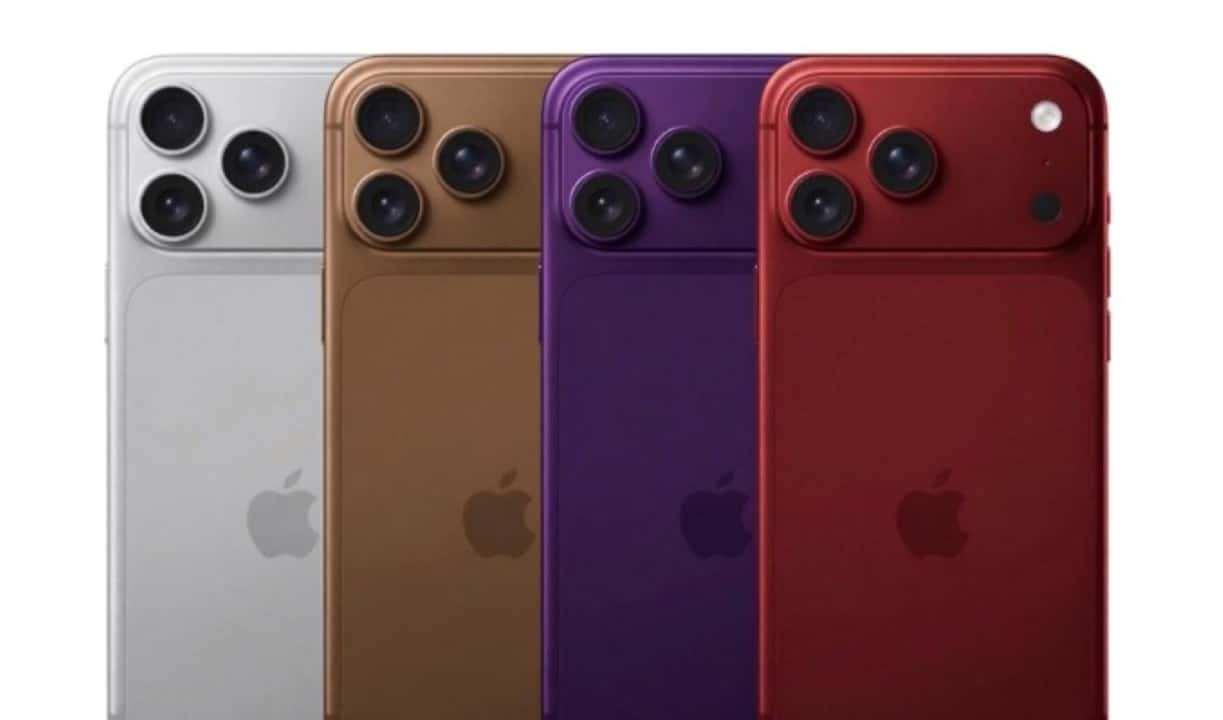
Apple faces a substantial increase in manufacturing costs for its next generation of high-end smartphones. The integration of a variable aperture lens into the iPhone 18 Pro and iPhone 18 Pro Max represents a 50% increase in spending on the camera module. The new component in the company’s product line changes the production dynamics established in recent years. Technological change requires new assembly and calibration processes in Asian factories.
Market analyst Ming-Chi Kuo detailed the changes in the company’s supply chain. The transition from a fixed system to a mobile mechanism requires more complex and durable parts. The strategic move aims to maintain the brand’s competitiveness in the advanced mobile photography segment. Concorrentes in the smartphone market are already exploring similar solutions in their premium devices. The Apple decision reflects a drive for physical improvements in hardware, reducing sole dependence on image processing algorithms.
Transição from fixed system to mobile mechanism
Historicamente, the manufacturer has maintained a conservative approach to the aperture of the main lenses. Desde the launch of the iPhone 14 Pro to the current iPhone 17 series Pro, the company used a constant aperture of f/1.78. Esse technical standard limited the physical control of light input to the photo sensor. Compensation for different lighting scenarios mostly occurred via software. The image signal processor made the necessary adjustments after capture.
The implementation of variable aperture breaks with this engineering tradition. The new module allows the lens blades to physically move, changing the diameter of the light passing through. The mechanism works identically to the diaphragms found in dedicated professional cameras. The mechanical complexity of this part justifies the 50% jump in the component’s purchase price. The Apple replaces the seven-element plastic lens with a more sophisticated optical assembly that is resistant to daily wear and tear.
Precise exposure control transforms the image capture experience. Fotógrafos and regular users gain the ability to dictate depth of field before the click. The physical change in hardware reduces the processing load required from the device’s main chip. Smartphone energy efficiency may show subtle improvements during extended camera use sessions.
Benefícios directly improves the quality of the captured image
Physically adapting the lens to ambient lighting conditions solves chronic problems in mobile photography. Automatic or manual aperture adjustment delivers superior results in challenging scenarios. The technology minimizes digital artifacts common in artificially processed photos.
- Expansão in low light: In dark environments, the aperture reaches its maximum limit to capture the largest possible number of photons. The mechanical action reduces the need to raise ISO, resulting in cleaner nighttime images with less digital noise.
- Contração in high light: Sob intense sunlight, the mechanism closes the passage of light. Physical blocking prevents overexposure of the sensor, preserving details in bright areas and avoiding a blown-out appearance in daytime photographs.
- Desfoque natural optical: Shallow depth of field is generated by the lens structure itself, without algorithm intervention. The Modo Retrato achieves perfect cropping between the subject and the background, eliminating software glitches around hair or complex objects.
Reducing reliance on computational photography marks a turning point for the brand’s premium lineup. Algorithms continue to operate behind the scenes to enhance colors and contrast, but the underlying image becomes optically superior. The end result brings the quality of the smartphone closer to that of traditional photographic equipment.
Asian Supply Chain Reestruturação
The impact of this technological innovation reverberates throughout Apple’s entire network of commercial partners. Chinese manufacturer Sunny Optical emerges as the main beneficiary of this hardware transition. Ming-Chi Kuo’s report points out that the company has secured between 40% and 50% of total orders for the new compact camera modules. The significant share of the contract consolidates the supplier’s position in the competitive market for components for high-end mobile devices.
The commercial relationship between the two companies goes beyond the borders of the telephone division. Sunny Optical also acts as a camera supplier for the MacBook Neo, a computer focused on the entry-level segment. The commercial success of this notebook redefined production projections for the coming years. Demand from the consumer market exceeded the initial expectations outlined by executives.
Updated supply chain data reflects this increase in sales. The MacBook Neo shipment forecast for the year 2026 jumped from 5 million to 10 million units. The significant volume of orders strengthens the Asian supplier’s cash flow and guarantees stability for investments in research and development. The ability to deliver components on a large scale with a low defect rate was decisive in choosing a partner.
Long-term Planejamento and new partnerships
Apple’s innovation timeline extends far beyond the current generation of devices. Industrial projections indicate profound changes in the internal architecture of the devices scheduled for 2028. The company plans to abandon the traditional encapsulation method used in ultra-wide-angle cameras. The transition will involve adopting COB design, an acronym for chip-on-board.
COB technology integrates the image sensor directly into the printed circuit board. The elimination of intermediate connecting layers results in a considerably thinner photo module. The gain in internal space in the smartphone’s chassis allows the inclusion of larger batteries or new biometric sensors. Sunny Optical is already positioned as the leading candidate to lead the supply of this future generation of miniaturized components.
The expansion of the Chinese manufacturer’s business attracts the attention of other giants in the technology sector. The company has recently entered into agreements to provide hardware for OpenAI projects. The artificial intelligence creator develops a smartphone and a compact mobile device focused on voice interactions and computer vision. The diversification of the customer portfolio reduces the exclusive dependence on contracts with Apple.
The market awaits the materialization of these innovations in the fall of 2026. The launch event of the iPhone 18 Pro and iPhone 18 Pro Max promises to focus the attention of the global electronics industry. Behind-the-scenes information suggests that the same conference will serve as the stage for the presentation of the first foldable smartphone in the history of Apple. The combination of new screen formats and optical advances defines the company’s strategy for the next decade.