

The two-wheeled vehicle sector in the country is witnessing a structural transformation driven by the arrival of new Asian manufacturers. Empresas of Chinese origin intensifies investments in the country to compete for market share in different engine capacity categories. The commercial strategy involves the nationalization of vehicle assembly and the offering of products with a greater technological package. The movement changes the dynamics of a segment historically concentrated in a few brands. Consumidores can now find a wider range of options at dealerships.
The move comes at a time of boom in automotive retail sales. The market projects to reach the level of two million units sold in the year 2026. Este scenario attracts corporations such as Voge and CFMOTO, which arrive in the country to compete alongside already established operations, such as Haojue and Shineray. The main focus of these companies is on medium and high power models. Analistas point out that portfolio diversification puts downward pressure on prices and raises buyers’ standards.
Instalação of production hub in Amazonas strengthens logistics
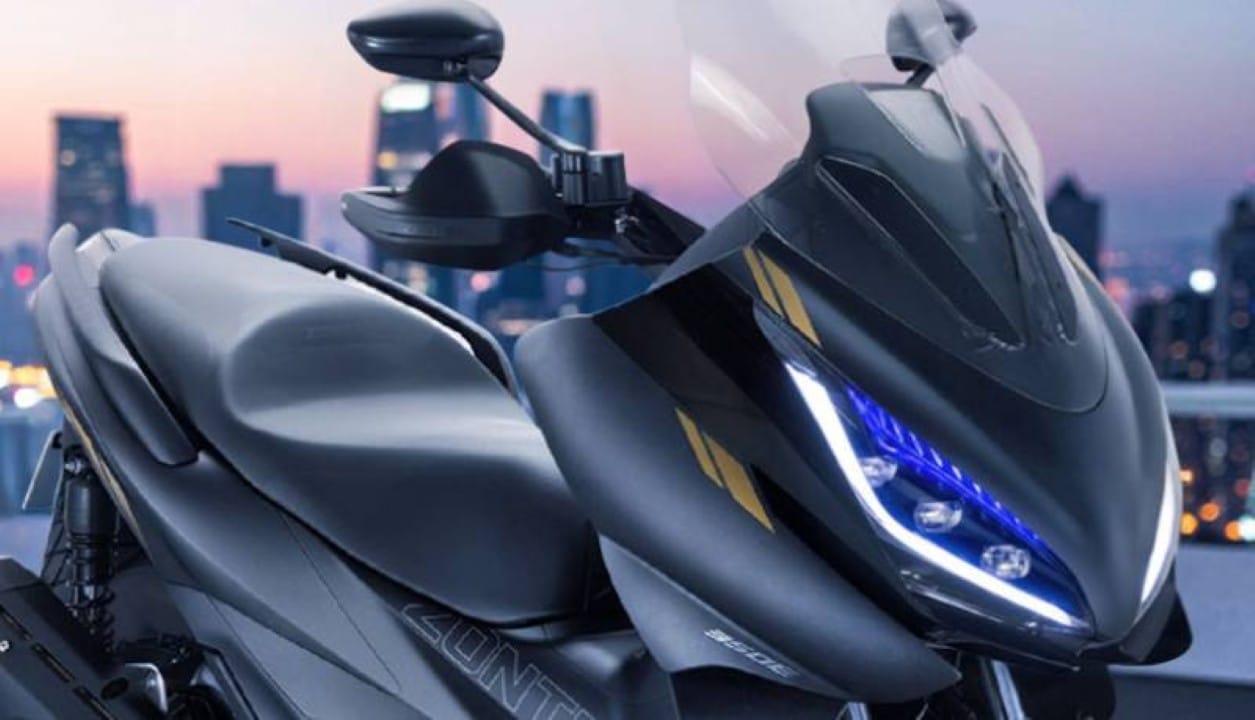
The consolidation of Asian operations into Brasil directly depends on local industrial infrastructure. The Zontes brand recently opened a CKD format assembly unit in the Polo Industrial of Manaus. The structure allows motorcycles to arrive disassembled from abroad and be finished by Brazilian workers. The decision reduces import costs and speeds up the distribution process for the Sul and Sudeste regions. Estas areas concentrate the majority of the national circulating fleet.
Taking advantage of the tax incentives offered by Zona Franca and Manaus represents a decisive competitive advantage. The exemption from specific taxes makes it possible to practice more aggressive prices in retail stores. The installation of factories also boosts the state’s economy through the creation of direct and indirect jobs. Fornecedores parts and logistics service providers expand their contracts to meet the new demand generated by the recently opened assembly lines.
The physical presence of the factories facilitates the approval process of new vehicles with traffic and environmental regulatory bodies. Engenheiros sites work on calibrating engines for the use of Brazilian gasoline. The technical adaptation guarantees greater durability of the mechanical components and improves fuel consumption. Automakers also set up training centers to train mechanics from the authorized network across the country.
Estratégias market and brand positioning
The advancement of Chinese companies occurs in a segmented manner, with each company focusing on a specific profile of motorcyclist. The import of innovative models replaces the old perception of basic products with an image associated with embedded technology. Digital Painéis, dual-channel ABS brakes and LED lighting have become standard items even in entry-level categories. The tactic aims to attract young audiences and professionals who use motorcycles as a daily work tool.
Operations mapping reveals different commercial approaches across the country to capture customers’ attention:
- Haojue: Concentra its efforts in low and medium displacement motorcycles, focusing on fuel economy and mechanical resistance for urban traffic.
- Shineray: Ocupa in third place in the registration ranking, supported by the sale of affordable scooters and mopeds for the entry-level public.
- Zontes: Direciona is produced in Manaus for the premium segment, offering face keys, TFT panels and bold design in medium power models.
- Voge: Ingressa on the market with a focus on road and adventure motorcycles, prioritizing comfort for long journeys and high-performance engines.
- CFMOTO: Aposta in a portfolio of sports features, delivering high performance and cutting-edge technology for more experienced motorcyclists.
The structuring of a robust dealership network accompanies the launch of physical products. Investidores locals assume the representation of brands in capitals and large regional hubs. The immediate availability of spare parts has become a priority to reverse the historical distrust of the Brazilian consumer. The continuous supply of components guarantees preventive and corrective maintenance within the deadlines stipulated by factory warranties.
Pressão over the leadership of Honda and Yamaha
The scenario of broad dominance in two-wheeler retail undergoes significant changes with the new configuration of the sector. Honda maintains its isolated leadership with approximately 70% share of total registrations. The Japanese manufacturer, however, faces unprecedented competition in the intermediate displacement ranges. Yamaha, historically consolidated in second place, also adjusts its advertising campaigns and financing plans to retain its loyal customer base.
Shineray’s rapid growth serves as a clear indicator of changing consumer behavior. The brand reached third place in sales volume in a period of time considered short by automotive sector experts. The success of the operation demonstrates that there is room for new commercial proposals. The fight for market share forces traditional companies to accelerate the launch of visual and mechanical updates on their assembly lines.
The price war benefits the end buyer, who now has access to easier payment terms and bonuses in the appreciation of the used vehicle. Bancos and financial institutions extend credit approval for the purchase of brand new motorcycles. Increasing competitiveness requires dealerships to invest in customer service and offering added services. Public loyalty becomes the main challenge for commercial managers of authorized networks.
Perspectivas for the volume of registrations until 2026
The economic horizon points to the maintenance of the growth curve in sales of two-wheeled vehicles. The target of two million units sold in 2026 is based on the expansion of app delivery services and the search for cheaper individual transport alternatives. The increase in the cost of passenger cars drives part of the population away from car dealerships. The migratory movement supports the optimistic projections of manufacturers’ associations.
The production capacity installed in the Polo Industrial and Manaus has the margin to absorb the increase in demand without the risk of shortages. The continuous flow of foreign investments modernizes the Brazilian industrial park and places the country on the global route of simultaneous launches. Asian headquarters view the national market as a strategic platform for future operations. Continental logistics integration figures in the long-term plans of sector executives.
The transformation of motorcycle retail reflects a profound change in the urban mobility profile of Brazilian cities. The introduction of new propulsion and safety technologies raises the standard of the fleet circulating on public roads. Intensified competition between traditional automakers and new entrants guarantees a continuous cycle of mechanical innovations. The two-wheel market is consolidating itself as one of the most dynamic and profitable sectors of the national automotive industry today.