

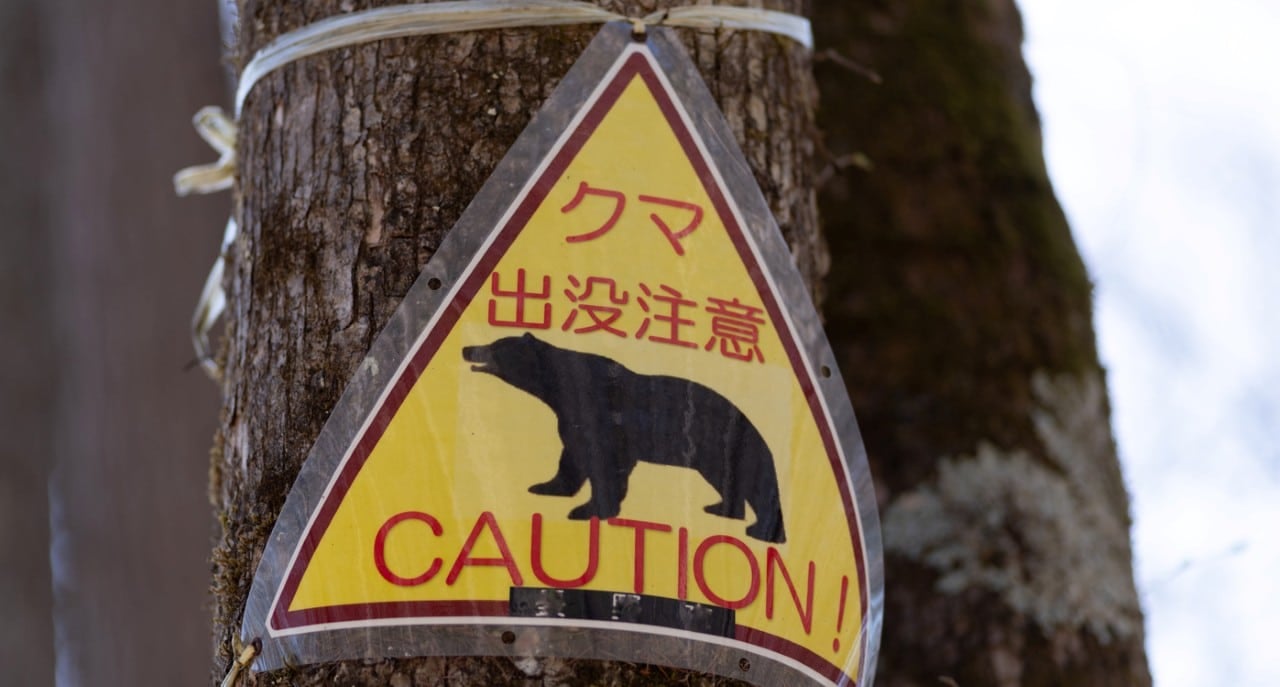
Soldados of Forças of Autodefesa of Japão arrived in Akita’s province on Thursday to help combat a wave of bear attacks. The mountainous region is experiencing the highest number of fatal incidents in decades. Local Autoridades say traditional measures are no longer enough.
Akita’s governor, Kenta Suzuki, described the situation as critical. Ele asked for federal support after local hunting and wildlife control teams showed signs of exhaustion.
Militares works with logistics without slaughtering animals
Troops cannot kill the bears. Japanese law reserves slaughter for licensed hunters. Soldiers transport traps, remove carcasses and assist in field operations.
Essa collaboration responds to a formal request from the authorities of Akita. The Defesa Shinjiro Koizumi minister justified the measure as a natural response to local governors.
- As Forças of Autodefesa install traps in risk areas
- Tropas transport carcasses killed by hunters
- Equipes avoid direct confrontation with animals
- Apoio focuses on logistics and operational support
Gifu tests drones with barking and fireworks sounds
In the central province of Gifu, the state government is experimenting with a technological solution. Drones equipped with speakers emit barking dogs and fireworks sounds to scare away bears. The equipment gained flashy colors and large eyes to increase the intimidation effect.
Funcionários from the city hall state that the tool allows quick response in agricultural areas and trails. Testes occur in valleys where animals invade apple and peach orchards.
Número number of deaths surpasses previous records
Pelo 13 fewer people have died and more than 100 have been injured in bear attacks since April. The numbers are the highest since official records began in 2006. Akita concentrates a large proportion of fatal cases.
Recent Incidentes include attacks in supermarkets, trails and even small town streets. A Spanish tourist was scratched by a puppy at a historic site. A runner had to fight an animal before escaping.
Fatores Environmental and demographic drivers drive the problem
Especialistas point to a combination of elements. This year’s low acorn harvest has made bears hungrier and more willing to approach inhabited areas. Mudanças climate change also alters hibernation and food search patterns.
The bear population has grown in recent decades. Proteções environments since the 1990s have allowed the animals to recover. Estimativas indicates more than 42 thousand Asian black bears in Honshu and about 12 thousand brown bears in Hokkaido.
The aging of the rural population and the exodus of young people to large cities have left villages with less surveillance. Terras Abandoned farms have become an easy source of food for animals.
Tensão cultural between conservation and security
Tradições Shintoists and Buddhists value respect for nature. In some regions, bears are seen as mountain deities. At the same time, the attacks generate real fear among residents.
Conservation Grupos like Kumamori advocates for non-lethal solutions and habitat restoration. Outras voices call for greater population control. The debate gains momentum each fall, when incidents tend to increase.
Moradores of Akita adopted precautionary routines. Muitos shake door handles before leaving the house. Acampamentos and picnics have declined in the fall season.
Additional Medidas under study
Agência Nacional of Polícia authorized riot police to shoot in residential areas when hunters do not arrive in time. Autoridades also evaluates artificial intelligence cameras for surveillance.
The problem is expected to persist in the coming years. Especialistas predict more encounters between humans and bears as the climate continues to change and forests expand in rural areas.