

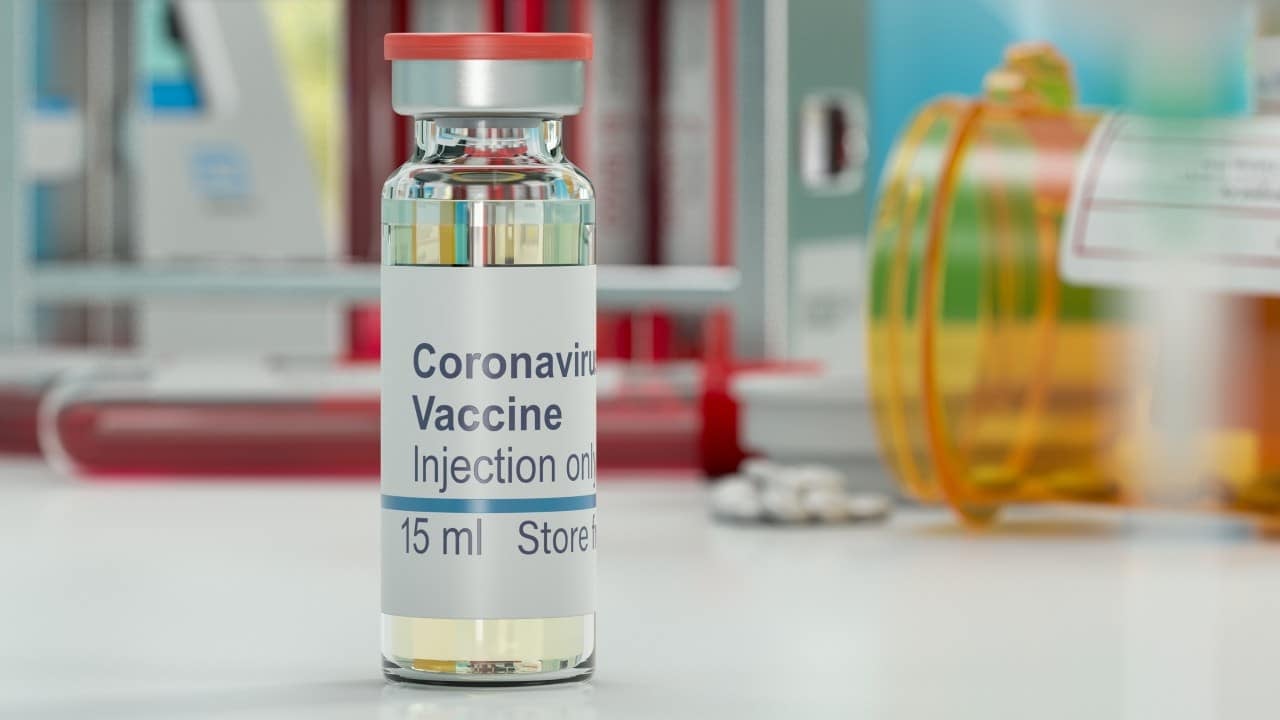
A universal coronavirus vaccine developed using artificial intelligence has completed the initial phase of human testing. The vaccine, designed to protect against SARS-CoV-2 and other variants, proved safe in 39 volunteers. Pesquisadores of Universidade of Cambridge led the clinical trial, published in Journal of Infection.
The study evaluated the tolerability of the product in healthy participants aged between 18 and 50 years. The technology combines a digital superantigen, generated by machine learning, with application via microfluidic jet. Esse method dispenses with needles and pushes the vaccine directly through the skin through a high-precision, ultra-fine liquid flow.
Digital Superantígeno targets conserved parts of the virus
Cientistas mapped genetic data of several sarbecoviruses with the help of AI. From this, they created an active component capable of recognizing regions of the virus that undergo fewer mutations. Essa approach seeks to offer broad protection against the original coronavirus, known variants and possible new pathogens from the same family.
Principal investigator Saul Faust highlighted that the strategy allows us to escape the cycle of constant updates required by current vaccines. Previous Testes in animals had indicated high potential. Nos in humans, the immunological response was mixed, but the safety profile remained positive.
- The trial took place during the pandemic, with volunteers who already had a varied history of previous infections and vaccinations.
- Imunizantes based on DNA tend to generate weaker biological responses than those based on messenger RNA.
- Nenhum serious side effect has been reported.
- Mild Reações resolved quickly in most cases.
- The data validates the concept and guides adjustments for subsequent phases.
Método microfluidic jet application eliminates needles
In the microfluidic jet vaccine, the vaccine passes through the skin without traditional perforation. The system uses high precision to deliver content in a controlled manner. Essa feature may facilitate adoption in future campaigns, especially in needle-resistant contexts.
Pesquisadores from DIOSynVax, spin-out of Universidade from Cambridge, collaborated on the development. The project represents one of the first times that the main component of a vaccine has been entirely designed by computer simulations before reaching human trials.
Resposta immune system shows mixed results in participants
The volunteers showed antibodies against the virus, albeit at modest levels. Isso is explained by the fact that many already have prior immunity against covid. Mesmo thus, the study confirms that the platform is viable and paves the way for optimization.
Especialistas track the technology’s potential for entire virus families. The focus is on sarbecoviruses, a group that includes SARS-CoV-1, SARS-CoV-2 and bat strains at risk of spillover. A second phase with around 200 participants should deepen understanding of the immune response.
Desenvolvimento integrates machine learning from genetic mapping
The process began with massive analysis of global viral sequences. Algoritmos identified conserved targets that the human immune system can cross-recognize. The AI then designed the superantigen based on this data. Essa step reduces traditional vaccine design time.
The phase 1 trial prioritized safety. Resultados indicate good general tolerability. Pesquisadores plans to refine the formulation to increase immunogenic potency in populations with pre-existing immunity.
Próximos steps include larger trials and platform expansion
With the initial data validated, the path continues towards larger-scale efficacy studies. Technology can influence preparedness against future pandemic threats. Equipes continues to work on tweaks to improve the response in humans.
The study reinforces the growing role of artificial intelligence in the development of immunizations. Plataformas like this represent a shift from reactive to preventive with respect to entire viral families.