

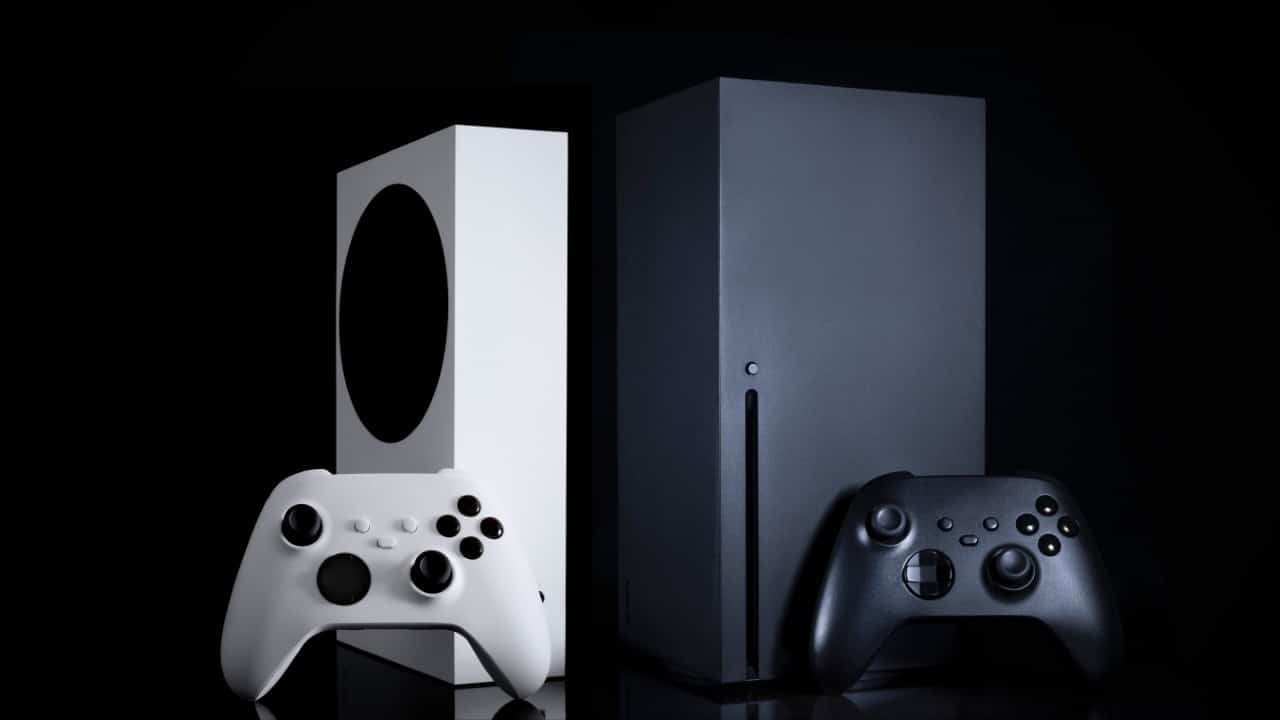
AMD’s chief executive, Lisa Su, confirmed that the development of the processor for the next generation of the Xbox console is progressing according to the schedule stipulated for a launch in 2027. The statement came during the presentation of the semiconductor manufacturer’s financial results for the fourth quarter of 2025. Microsoft’s new equipment will use a semi-custom chip created from a direct collaboration between the two technology companies. The project aims to deliver high graphics and computational performance to players.
The specific mention of the year 2027 marks the first public indication of a launch window provided by an official hardware partner. Microsoft remains secretive about the exact arrival date of the successor to the Xbox Series The system would be capable of running titles developed for console and computer natively. The hardware must also incorporate dedicated units for artificial intelligence processing.

Historic Parceria Drives Semiconductor Development
The business relationship between the chipmaker and the software giant has deep roots in the video game industry. AMD has served as the exclusive processor supplier for the Xbox line since the Xbox One arrived on the market in 2013. Technical collaboration has remained strong in the transition to the Xbox Series
Semi-custom chips represent a considerable competitive advantage for the platform. The component integrates the central processing unit and the graphics processor in the same piece of silicon. The solution reduces latency in communication between parties and reduces system energy consumption. The continuity of this partnership reinforces Microsoft’s strategy of maintaining an architecture very similar to that found in modern computers. Structural similarity makes the work of development studios easier.
The current hardware cycle has completed five years of existence since its global launch in 2020. The projected window for 2027 establishes a seven-year gap between console generations. The period reflects the video game industry’s historical pattern for platform renewal. The custom chip segment represents an important share of AMD’s revenue. The company projects a recovery in this division’s revenues precisely with the arrival of new devices on the consumer market.
Advanced Arquitetura and new hardware technical specifications
Technical details of the future processor are beginning to circulate behind the scenes in the technology industry. The main component must feature a robust configuration with up to 11 central processing cores. The structure would use three cores of the Zen 6 architecture aimed at maximum performance. The remaining eight cores would adopt the Zen 6c standard, focused on energy efficiency and background tasks. Task splitting optimizes energy usage during extended gaming sessions.
Visual processing will receive a substantial upgrade with the adoption of the RDNA 5 graphics architecture. The unit must have 68 computing units dedicated to rendering complex scenarios. The design includes four shader engines and an L2 cache memory of at least 24 megabytes. Expanded temporary storage reduces access time to crucial game data. The combination of these elements seeks a precise balance between image quality and fluidity.
The leaked characteristics point to a significant generational leap in the device’s internal components:
- Capacidade with up to 48 gigabytes of RAM in GDDR7 standard with 192-bit bus.
- Dedicated neural processing Unidade capable of up to 110 trillion operations per second.
- Integração provides deep artificial intelligence tools directly into the console’s operating system.
- Enhanced hardware Aceleração for ray tracing and advanced image resizing techniques.
The technical data remains unofficial and depends on confirmation from the companies involved. Adopting GDDR7 memory would drastically increase the bandwidth available to developers. The feature directly benefits running games at very high resolutions with stable frame rates. The transition from current Zen 2 technology to the upcoming Zen 6 technology ensures a massive leap in the ability to calculate physics and intelligence of non-playable characters.
Hybrid Plataforma Brings Gaming Ecosystems Closer
The industry is closely following rumors about the hybrid nature of Microsoft’s next console. The equipment would function as a definitive bridge between the closed environment of video games and the versatility of computers. The device would be able to run games compiled for the Windows system without the need for complex emulation layers. The approach eliminates performance losses and simplifies software distribution.
The strategy brings the Xbox ecosystem closer to the infrastructure already established by Windows in the global market. Game creators could develop a single version of the title capable of operating seamlessly on both platforms. Unification reduces production costs and accelerates the launch of new products. The player gains access to a vast library of independent titles and modifications created by the PC community.
Compatibility with the game collection from previous generations remains a central pillar of the project. The new hardware will include specific instructions in the processor to ensure flawless execution of older titles. Classic games should receive automatic resolution and frame rate improvements through the new machine’s surplus power. Integration with subscription and cloud streaming services will remain native to the operating system.
Artificial Inteligência and chip portfolio expansion
The inclusion of a neural coprocessor highlights the paradigm shift in real-time graphics development. The dedicated unit takes the AI processing load off the main graphics card. The component runs complex image resizing algorithms extremely efficiently. The technique allows you to render the game at a lower resolution and enlarge the image to 4K without noticeable loss of visual quality.
Development studios will have access to machine learning tools integrated into the console’s build kit. The technology enables the generation of dynamic dialogues, procedural animations and realistic behaviors for enemies. The computational capacity of 110 operations per second puts the video game on par with neural accelerators present in high-cost computers. The functionality makes room for more responsive virtual assistants during matches.
The semiconductor manufacturer also moves on other fronts in the gaming device market. The executive confirmed the progress of the Steam Machine project in partnership with Valve. The compact computer focused on living room games is expected to be released in the first months of 2026. The equipment uses a customized AMD processor and operates under the SteamOS system. The device focuses on delivering consistent performance on high-resolution televisions.
The mass production of cutting-edge components comes up against fluctuations in global manufacturing costs. The price of video memories and solid-state storage drives affects technology companies’ planning. Manufacturers calibrate final product specifications to maintain an acceptable retail value for the end consumer. AMD continues to adjust silicon supply to meet simultaneous demand from Microsoft and other partners in the digital entertainment sector.