

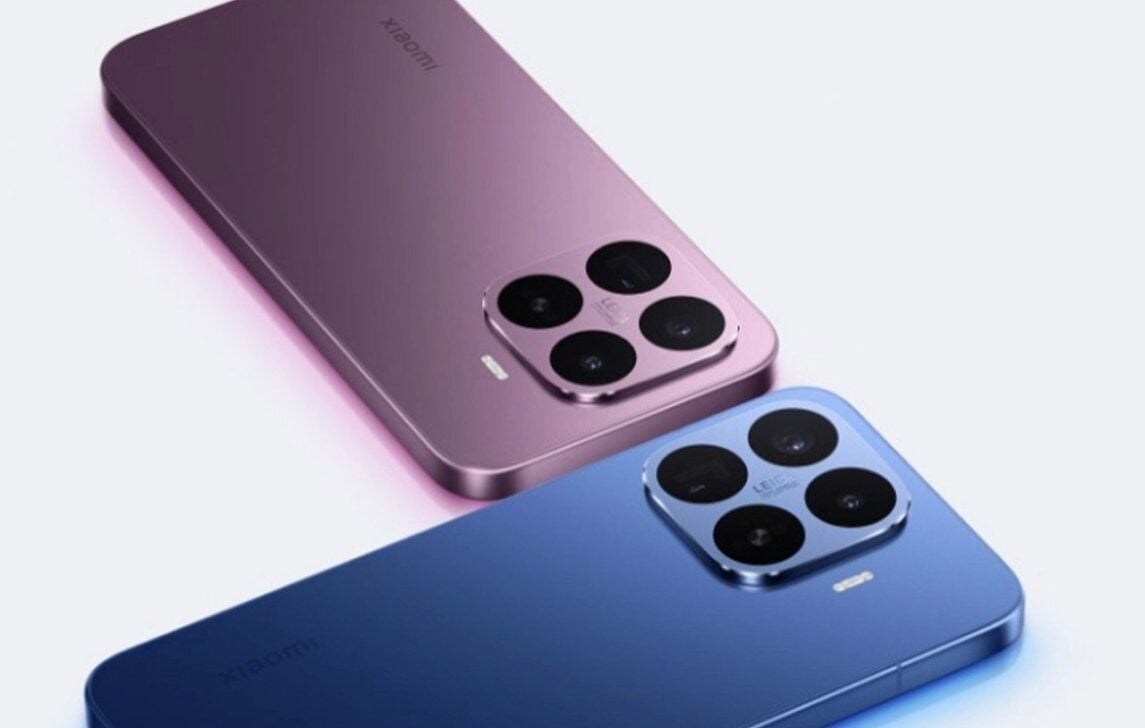
Chinese manufacturer Xiaomi has released a system update that allows users of the Xiaomi 17T Pro smartphone to send and receive files directly from Apple devices. The new feature uses the Quick Share tool from Android to establish a native connection with AirDrop, a standard feature present on iPhones, iPads and Macs. The integration eliminates the need to install third-party applications or use cloud storage services to exchange documents and media between competing platforms.
The functionality reaches the devices through the HyperOS 3 interface, based on the Android 16 operating system. The official announcement took place through the company’s profile on the social network X, where a demonstration video showed the immediate transfer of photographs between the Asian brand’s cell phone and an iOS device. The initiative joins the company in a growing group of manufacturers seeking to reduce communication barriers in the mobile technology ecosystem.
Como works communication between operating systems
The sharing process is straightforward and only requires quick adjustments to the visibility settings of both devices. Do iOS system side, the iPhone owner needs to access the control center and change the AirDrop permission to the option that allows everyone to receive it for a period of ten minutes. Essa security requirement of Apple ensures that the device is temporarily discoverable to external networks before closing the signal.
On the Android device, the procedure follows the pattern already known by users of the Google system. Basta select the desired file, tap the share icon and choose the Quick Share option. The application’s radar will identify nearby Apple equipment, allowing immediate sending after confirmation on the destination screen.
Para To ensure successful data transfer between platforms, users must follow specific configuration steps on the devices:
- Ativar the Quick Share function in the Xiaomi 17T Pro network settings.
- Ajustar iPhone AirDrop for ten-minute temporary full visibility.
- Manter the two devices physically close and with wireless connections turned on.
- Selecionar the desired file and confirm the receiving operation on both screens.
File traffic speed depends on the quality of each device’s connection antennas, but preliminary tests indicate stability similar to data exchange between two devices of the same brand. Fotografias in high resolution and short videos are available in just a few seconds, facilitating the routine of those who work with content production.
Especificações Chinese smartphone techniques
The Xiaomi 17T Pro features an advanced hardware suite that facilitates the fast processing required by continuous connectivity tools. The model has a 6.83-inch AMOLED technology screen, which delivers a resolution of 2772×1280 pixels and a refresh rate of 144 Hz. Essa display configuration offers fluid navigation through the system’s media galleries and sharing menus.
Internal performance is the responsibility of the MediaTek Dimensity 9500 processor, a high-performance component aimed at the premium market. The chip works together with RAM memory options that reach 12 GB, ensuring that the operating system maintains multiple applications in the background without choking during the transfer of heavy data packets via wireless network.
The internal storage capacity reaches the 1 TB mark in the most complete versions of the device. The large space directly serves the public that produces a large volume of audiovisual content daily. The rear image capture module features three lenses, led by two 50 MP sensors and a 12 MP auxiliary, generating dense files that can now be quickly sent to editing stations based on Mac computers.
Impacto in the mobile device market
The breaking of AirDrop exclusivity represents a significant change in the customer loyalty dynamics imposed by technology giants. Durante years, the difficulty of transferring files in high quality between Android and iOS served as a factor in retaining users within a single closed ecosystem. The standardization initiative began to gain momentum with structural moves led by the Google in the Pixel line of smartphones.
Outras Major Asian manufacturers had already started implementing similar communication protocols in their high-end devices. Empresas like Samsung, OPPO, vivo, OnePlus and Honor support cross-transfer on selected models from their recent catalogs. The entry of Xiaomi into this informal consortium increases pressure on the market to adopt a universal proximity sharing standard.
In the corporate and academic environment, interoperability solves daily productivity problems. Equipes workstations made up of professionals using different operating systems waste less time sending documents by email or uploading media to remote servers. The point-to-point connection guarantees privacy and speed in exchanging confidential information between members of the same project.
Requisitos and base software updates
The release of the sharing tool is directly linked to the installation of the HyperOS 3 interface. The software developed by the Chinese brand runs on the Android 16 architecture, the most recent version of the Google operating system. The update package brings optimizations in power management, new privacy control panels and adjustments to the fluidity of graphical interface animations.
The distribution of the new system occurs gradually, following the regional schedule established by the manufacturer. Xiaomi 17T Pro owners receive automatic notifications when the download becomes available for their devices. The company recommends backing up personal data and connecting to a stable Wi-Fi network before starting the firmware installation process to avoid file corruption.
Até At the moment, the company has confirmed native compatibility with AirDrop only for this specific model. Especialistas from the technology sector plans for the functionality to be expanded to other cell phones in the premium and advanced intermediate lines over the next few months. Contudo, limitations in the wireless communication chips of older devices may restrict the availability of the feature in past generations of the brand.