

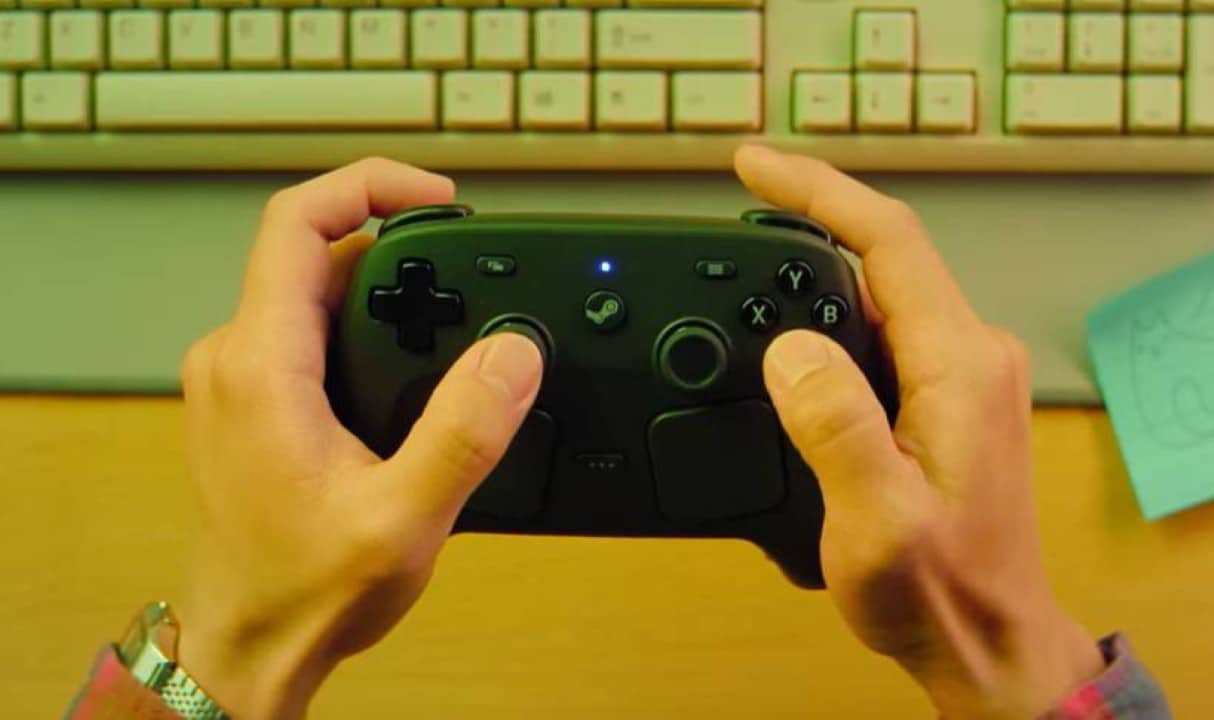
Valve reintroduces the Steam Controller to the computer peripheral market with a restructured design and significant upgrades in 2026. The device overcomes the resistance faced during its first generation launch. Agora, the hardware begins to compete with traditional controls through advanced customization options and expanded compatibility. Analistas in the technology sector and consumers are beginning to recognize the product as a viable alternative for extended PC gaming sessions. The manufacturer invested heavily in ergonomic refinement after processing a large volume of reviews from its active user base.
Diferentemente from competing companies that maintain conventional designs, Steam Controller adopts touch-sensitive panels and a sophisticated haptic feedback system. Essa technical difference delivers accuracy comparable to using mice in certain game genres. The format preserves the convenience of a traditional controller for titles that require fluid and continuous movement. The company’s strategic change reflects an adaptation to the demands of a demanding public. Modern Jogadores seek greater versatility in the computer environment without giving up comfort in daily use.

Sistema independent vibration and software integration
The peripheral’s structure focuses its innovation on ultra-fast response tactile feedback. Dois touch-sensitive panels replace traditional analog sticks. Eles offer a granular response that the user can configure for each specific game in their library. Native community programming on the Steam platform has enabled thousands of pre-optimized control schemes for a variety of titles. Esse collaborative ecosystem significantly reduced the learning curve. The current scenario contrasts sharply with the difficulties reported in the previous generation model.
Internamente, independent vibration motors located on each panel create the physical illusion of virtual textures and surfaces. Jogadores report a heightened sense of immersion in simulators and puzzle platforms that exploit this technical feature. The equipment’s internal battery provides autonomy of more than 40 hours of continuous use. The system also has support for wireless charging. The functionality makes the routine easier for those who spend long periods in front of a computer screen.
Equipment compatibility extends beyond the closed ecosystem of the Steam platform. The device works natively on the Windows operating system and supports browsing in internet browsers through specific settings. Independent Integradores have already mapped the controller’s features for use on desktop consoles through third-party adapters. Essa operational flexibility marks a clear change in Valve’s stance. The company abandons the hardware isolation that marked its strategies in previous years.
Especificações hardware and connectivity options
The physical design maintains a reduced weight of approximately 220 grams. The feature favors prolonged use without causing manual fatigue in players. The device’s connectivity combines a USB-C port with a low-latency wireless pairing option. The communication speed with the computer reaches the 1000Hz mark. Esse index places the device on the same level as high-performance peripherals available in the traditional esports market.
The product’s set of technical specifications presents the following main elements:
- Dois touch-sensitive panels with granular response and independent haptics.
- Motores high precision vibration distributed in different zones of the control.
- Internal Bateria with capacity for more than 40 hours of operation per charge.
- Conectividade via USB-C cable and wireless network with latency of less than five milliseconds.
- Suporte to more than five thousand community-created configuration schemes.
- Compatibilidade with Windows systems, macOS and adapters for other platforms.
- Optional integrated Tela OLED for real-time data and status viewing.
The inclusion of the optional OLED screen allows the user to monitor the battery level and active configuration profile without having to interrupt the game. Quick access to over 5,000 community control schemes eliminates the need for complex manual adjustments before starting a new game. The latency of less than five milliseconds in the wireless connection ensures that commands reach the computer almost instantly. The response time meets the demands of high-level virtual competitions.
Avaliação of experts and impact on the Latin market
Críticos technology begins to validate the merit of the innovative design after carrying out prolonged tests in different scenarios. Specialized Publicações highlight the smoother learning curve compared to the brand’s original launch. Sessões test lasting more than four hours demonstrates greater comfort than traditional analog controls in specific genres. Performance particularly shines in real-time strategy games and complex flight simulators.
PC gaming communities remain divided between supporters of the new technology and consumers skeptical of mass adoption. Proprietários of large game libraries in Steam report a significant reduction in time spent configuring buttons after software updates. Fóruns thread reports a 30% increase in positive mentions compared to the previous quarter. The statistical data works as an indicator of a noticeable change in consumer sentiment.
The initial sales price appears as the main barrier to the immediate popularization of the product. The device arrives on the América Latina markets costing approximately R$350. The price puts the equipment in direct competition with higher category peripherals from other brands. The cost-benefit is only justified for players who invest more than 20 hours a week in digital entertainment, according to the evaluation of experienced users. Casual Consumidores tend to look for more economical alternatives suited to their specific needs.
Concorrência direct and upgrade projections
The Steam Controller establishes a direct comparison with the Xbox Series X Controller and the Sony DualSense in terms of versatility. The Microsoft peripheral offers native PC compatibility, but has limitations in deep customization options. The Valve device differentiates itself from the DualSense by eliminating the requirement for proprietary cables and integrating robust community software. Traditional generic Controles do not have sophisticated tactile feedback and remain options for restricted budgets.
The specialized niche segment finds differentiated value in the Steam Controller proposal. Essa audience segmentation reduces direct competition with conventional video game manufacturers. Valve is not chasing massive sales volume at this time. The company positions the peripheral as a high-end tool for enthusiasts who value technological innovation and freedom of configuration on their computers.
The manufacturer has committed to releasing quarterly software updates to expand compatibility and refine haptic response algorithms. The latest version of the program integrates auto-tuning artificial intelligence that learns each player’s individual preferences. Esse system adapts the sensitivity of touch panels according to usage history. Automation reduces the need for constant manual reconfiguration by the user.
The next iterations of the project point to the integration of additional pressure sensors into the control structure. Existe also offers the possibility of incorporating infrared cameras aimed at detecting movements in the environment. The official launch schedule remains confidential. Recent Apresentações suggest a focus on providing even greater sensory immersion. Long-term support represents a clear competitive differentiator against traditional companies that discontinue their peripherals quickly.