
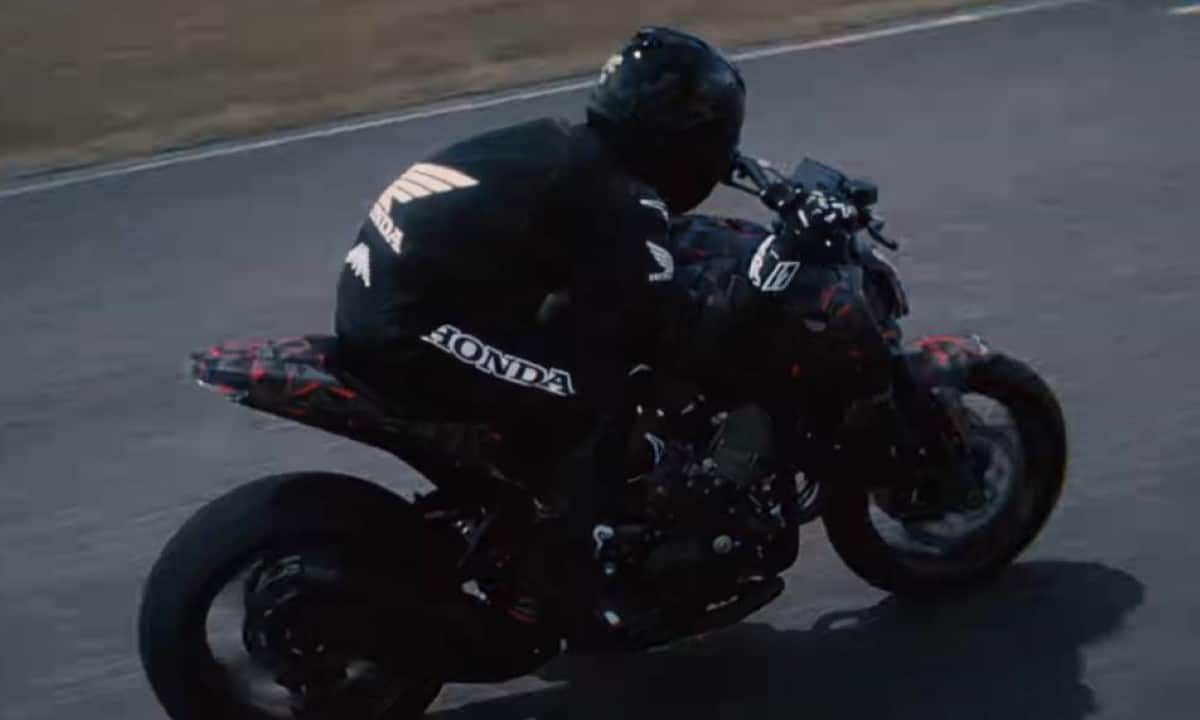
Japanese manufacturer Honda officially presented the V3R 900 E-Compressor prototype during the 2026 edition of Osaka Motorcycle Show. The event took place between March 20th and 22nd in the city of Osaka. The motorcycle introduces an electronically controlled electric supercharger system. The automaker classifies the equipment as a global innovation for the two-wheeled vehicle sector. The project seeks to optimize the performance of compact propellants without increasing the total weight of the chassis.
The model features a 900 cc engine capable of generating torque equivalent to that of larger blocks, approaching the strength of 1200 cc engines. The company’s strategy involves combining high performance with rigorous levels of environmental efficiency. The exhibition in the Asian market follows a first global appearance of the concept at the EICMA 2024 fair, held in the city of Milão, at Itália. The company’s management treats the development of this technology as a corporate priority for the next decade.
Arquitetura V3 engine mechanics and electronic power control
The prototype’s central structure is based on a water-cooled V3 engine with a tilt angle of 75 degrees. Essa geometric configuration allows for a narrower chassis arrangement compared to in-line four-cylinder engines. The brand’s Engenheiros opted for this shape to keep the overall motorcycle compact and light. Reducing the physical dimensions of the powertrain facilitates mass centralization. The practical result directly reflects on agility during maneuvers at different speed ranges.
More on this story: Manufacturer Honda reveals prototype of V3R 900 motorcycle equipped with pioneering electric compressor on the market
The technical difference lies in the integration of the electric supercharger into the intake system. The component manages the boost pressure independently of the crankshaft rotation. The technology guarantees immediate throttle responses even at low engine speeds. The lack of delay in power delivery addresses a common limitation in traditional belt-driven forced induction systems. The electronic control adjusts the air flow according to the rider’s instantaneous demand and the position of the electronic throttle.
The application of the electric compressor eliminates the need for complex mechanical connections or turbines powered by exhaust gases. Simplifying the mechanical system reduces additional weight and reduces the complexity of preventive maintenance. The thermal management of the set received special attention from the engineering team to withstand the increased internal pressure in the combustion chambers. Sensores continuously monitor operating parameters to avoid overloading the cylinders and guarantee the integrity of the pistons.
Elementos with asymmetrical design and new visual identity for the brand
The Honda design department implemented an aesthetic approach based on the asymmetry of the side fairings. The irregular shape of the plastic parts meets specific aerodynamic requirements of the intake and cooling system. The air intake for the electric supercharger required a unique design on the left side of the motorcycle. The structure directs the cold air flow directly to the high-speed compressor. The right side houses components of the liquid cooling system and thermal exhaust ducts.
Follow: all about automotive technology
The prototype’s fuel tank introduces the updated emblem called “Honda Flagship WING”. The visual marking will exclusively identify the manufacturer’s high-end models from 2026 onwards. The adoption of the new logo differentiates the premium line from the entry-level and mid-displacement models offered in the global catalogue. The metallic finish of the emblem contrasts with the paintwork applied to most of the bodywork, creating a visual highlight.
The ergonomics of the seat and the positioning of the pedals indicate a vocation aimed at the sports and touring segment. The pilot assumes a slightly forward-leaning posture, suitable for directional control on highways. The digital instrument panel integrates into the front screen to minimize aerodynamic drag at high speeds. The lighting uses LED technology in all turn signals, main headlights and brake lights, ensuring optimized nighttime visibility.
Diretrizes corporate and dynamic piloting concept
The development team works under the internal concept called “Non-Rail Roller Coaster”. The premise suggests the delivery of intense accelerations associated with a high level of directional stability and safety. The manufacturer uses data collected from decades of international competitions to calibrate the model’s inverted front suspension and rear shock absorber. The high-strength tubular steel chassis withstands the torsional forces generated by the instantaneous torque of the supercharged V3 engine.
The V3R 900 E-Compressor project receives direct supervision from the top leadership of the Honda presidency. The involvement of key executives demonstrates the importance of technology for the company’s future portfolio in the global market. The automaker plans to apply the innovations tested in the prototype to a new generation of mass-production motorcycles aimed at the enthusiast audience. Durability testing takes place on closed tracks at Japão and in rigorous climate simulation laboratories.
Full coverage: Latest News (EN)
Especificações supercharging system techniques and characteristics
The presentation at Osaka Motorcycle Show detailed the fundamental components that differentiate the model in the current high-displacement motorcycle market. The system architecture requires a resized electrical network to power the compressor motor without compromising the bike’s other electronic systems.
- Motorização 900cc liquid-cooled V3 with 75-degree tilt angle.
- Electric Supercharger with pressure control completely independent of engine speed.
- Torque estimated equivalent to 1200 cc conventional aspirated engines.
- Carenagens sides with asymmetrical design for aerodynamic optimization and cooling.
- Exclusive Emblema “Honda Flagship WING” positioned on the fuel tank.
Power supply for the supercharger comes from a dedicated and robust electrical system. The high-capacity lithium-ion battery supports consumption peaks generated during sudden accelerations required by the pilot. The motorcycle alternator has reinforced windings to keep the auxiliary system charge at safe operating levels. Electronic integration between the injection module and the compressor controller ensures synchronized operation of the moving parts.
Evolução of the prototype and compliance with emissions standards
The transition from the concept shown at EICMA 2024 to the current version demonstrates the advancement in the Japanese automaker’s engineering research. The first appearance on Milão focused on the brand’s visual presentation and statement of intent for the future of mobility. The exhibition at Japão in 2026 brought consolidated technical specifications and a mechanical model closer to commercial viability. Engineers adjusted the engine mapping to meet international pollutant and noise control standards.
The environmental efficiency of the supercharged V3 set surpasses that of larger displacement engines with similar power available on the market. The optimized burning of the air-fuel mixture reduces the emission of harmful gases through the exhaust, bringing the project into line with current legislation. The multi-way catalyst operates at optimal temperatures thanks to the efficient thermal management of the main block. The Honda maintains a dynamic testing schedule to certify the durability of internal components under severe use before any definition of the start of series manufacturing.