

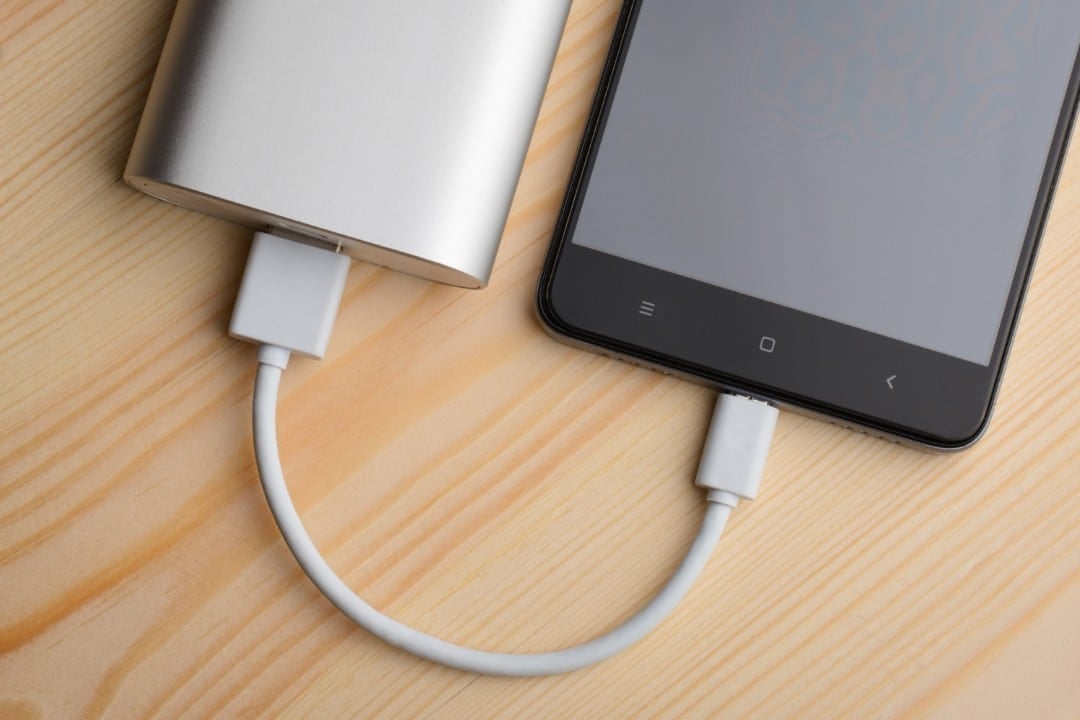
Running out of battery on your cell phone has become one of the main annoyances in modern users’ daily lives, whether during work hours, on an extended trip or in the middle of an event. To end this dependence on sockets, the power bank is no longer an optional item and has a permanent place in the backpack or purse of those who need constant autonomy. With the variety of options available, however, defining the appropriate model requires attention to factors such as capacity, recharge speed, compatibility, size and weight.
Therefore, TechTudo has put together, in the list below, seven portable chargers that stand out at the moment, each with specific characteristics. The selection ranges from affordable alternatives, such as the Basike B-078E (from R$75), which meets basic needs, to more advanced alternatives, such as the Anker A1664 (from R$422), praised for its durable construction and premium features.
Portable chargers represent a practical solution for those who spend a lot of time outside the home with their cell phone in heavy use. Several criteria influence the choice, and the list considers real user reviews from large retailers.
Best portable chargers to buy in 2026
1. Basike B-078E — economical option with high capacity and integrated cables.
With 20,000 mAh of capacity and output of up to 22.5 W via the USB-A port, the Basike B-078E suits those looking for a lot of autonomy without spending a lot. The device includes two fixed cables (Lightning and USB-C), eliminating the need to carry additional accessories. It even offers an LED indicator to check the remaining charge level with ease.
The USB-C port allows input of up to 18 W, and the protection system covers overload, short circuit and overheating. Measuring 149 x 69 x 19 mm and weighing 280 g, the model is approved by Anatel and released for use on airplanes. The Basike B-078E starts at R$75 on Mercado Livre, with a rating of 4.9, where buyers value the speed of recharging, the resistance of the cables and the possibility of carrying out three to five full recharges on smartphones.
On the other hand, the heavier weight appears as the main negative point in the reviews, with users reporting discomfort for everyday use in compact bags.
- Pros: high capacity for the value; integrated Lightning and USB-C cables; LED percentage indicator; approved by Anatel.
- Cons: high weight; slow recharging of the power bank itself.
2. i2GO I2GBAT011 — thin and light model with three simultaneous outputs.
The I2GBAT011 is the slimmest in the selection, with a thickness of just 15 mm and a weight of 222 g, ideal for those who prioritize ease of transport. The 10,000 mAh capacity comes with three outputs (two USB-A and one USB-C), allowing you to charge up to three devices at the same time. Smart Charge technology automatically adjusts the current for each device.
The input supports micro USB or USB-C at 5 V/2 A, with an estimated full recharge time of around five hours, according to i2GO. The product has Anatel, CE, FCC and RhOS certifications, as well as a Premium Type A battery for greater resistance. Available from R$79 on Mercado Livre (4.8 rating), it receives praise for its slim design, pocket-friendly fit and wide compatibility. The pass through function, which allows charging and being charged simultaneously, is also highlighted.
In negative reviews, recharging speed appears as the main complaint, considered slow for modern cell phones with batteries larger than 3,000 mAh, with reports of actual autonomy below what is advertised.
- Pros: thin and light design; three simultaneous outputs; passthrough; multiple certifications.
- Cons: loading speed seen as slow; Actual autonomy may be lower than expected.
3. Geonav PB20K20WSG — universal charger with Power Delivery and Quick Charge.
Geonav, an established brand in Brazil, offers in the PB20K20WSG a 20,000 mAh model aimed at versatility. The charger delivers 20 W Power Delivery via USB-C and 18 W Quick Charge via USB-A ports, with a Grade A+ lithium polymer battery and efficiency above 65%, according to the manufacturer. The LED display indicates the charge level and fast mode activation.
Weighing 312 g and measuring 109 x 68 x 28 mm, it has an estimated cycle of 300 full recharges and is compatible with Android and iOS. The device’s recharging time is around seven hours. Sold from R$152 on Magazine Luiza (rating 4.9), users highlight four to six smartphone recharges and good transfer speed.
Criticisms involve the weight, considered high for daily use, and isolated reports of swelling after about a year, in addition to inconsistencies in the indicator in some cases.
- Pros: Power Delivery 20 W + Quick Charge 18 W; accurate LED display; Grade A+ Li-Po battery; Compatible with Android and iOS.
- Cons: above average weight; reports of swelling after prolonged use; inconsistency in the charge indicator.
4. Basike BA-POW205 — power bank with induction charging and MagSafe support.
Aimed at those who want to reduce the use of cables, the Basike BA-POW205 combines magnetic induction of up to 15 W with a 22.5 W USB-C output via built-in cable. The 10,000 mAh capacity and measurements of 103 x 73 x 13 mm guarantee compatibility with iPhones 12 onwards via MagSafe, as well as Samsung S6 to S24 and other Qi devices. The “eight in one” protection covers several risks, and the weight of 218 g makes it easy to transport.
The model is available from R$164 on Amazon (rating 4.6). Buyers approve of the induction operation in motion and the quality of the finish with magnetic fixation. Weak points include magnets with variable adhesion depending on the cover and isolated cases of early failures, as well as limitations on some entry-level iPhones due to the lack of Lightning.
- Pros: induction charging 15 W; MagSafe magnetic attachment; built-in USB-C cable; compact design.
- Cons: magnet with variable adhesion; reports of early defects in isolated units.
5. Hrebos PB-958 — high capacity suitable for charging multiple devices.
The Hrebos PB-958 stands out for its largest capacity on the list: 30,000 mAh and maximum power of 65 W via USB-C, suitable for notebooks, consoles such as Steam Deck, tablets and smartphones. It has two USB-C inputs (main up to 65 W) and two USB-C outputs, with LED display. The model is compatible with USB/USB-C devices up to 65 W, but does not include a cable in the box.
Available from R$242 on Mercado Livre (4.8 rating), users praise the generous autonomy, with four to eight cell phone recharges and real support for notebooks. The main criticisms relate to the weight and long recharging time of the device itself, which requires a more powerful source.
- Pros: 30,000 mAh capacity; 65 W maximum power; compatible with notebooks; Charges up to three devices simultaneously.
- Cons: high weight; long recharge time.
6. Anker A1383 — robust model with 87 W of total power and built-in USB-C cable.
The Anker A1383, from the PowerCore 20K line, prioritizes fast recharging for multiple devices. With 20,000 mAh and a total of 87 W distributed across three ports (two USB-C and one USB-A), it charges a MacBook Air to 52% or an iPhone 15 Pro to 58% in 30 minutes, according to the brand. The maximum USB-C port reaches 65W, and the integrated cable can withstand more than 10,000 bends.
The device weighs 430 g, measures 15.75 x 7.35 x 2.6 cm and is approved for aircraft, but does not display the capacity on the body, which can complicate inspections. On sale from R$398 on Amazon (4.6 rating), it is praised for its speed, compatibility with notebooks and solid construction from Anker.
The lack of printed capacity has generated criticism at airports, as well as reports of variable performance on older iPhones.
- Pros: 87 W of total power; integrated and durable USB-C cable; compatible with notebooks; approved for flights.
- Cons: capacity not indicated on the body; above average weight; variable speed; high price.
7. Anker A1664 — slim magnetic power bank with Qi2 and MagSafe certification.
The premium highlight is the Anker A1664, an ultra-slim 10,000 mAh magnetic power bank with Qi2 and full MagSafe compatibility. At 14.8 mm thick and 199 g, it adheres to the back of iPhones 12 and up, allowing continuous use while charging. Wireless output reaches 15 W and USB-C output reaches 30 W, offering 1.8 to two full charges on an iPhone 15 Pro. ActiveShield monitors temperature millions of times a day to keep the device below 40 °C.
Available from R$422 on Mercado Livre (4.9 rating), users highlight the compact design, magnet strength, premium material and wireless stability. Heating during induction is the most common complaint, observed in national and international evaluations.
- Pros: ultra slim design; Qi2 certification; MagSafe 15 W; ActiveShield thermal control system; premium construction.
- Cons: heating during induction; full compatibility more focused on iPhone; high price.