ESPN removes AI-generated images from NBA Finals broadcasts after online backlash
ESPN has pulled its AI-generated animated portraits from NBA Finals coverage after widespread criticism on social media. The sports network debuted the controversial digital graphics during Game 1 of the championship series between the New York Knicks and the San Antonio Spurs, but viewers quickly expressed their disapproval online. The technology was intended to bring classic NBA photographs to life through animation, but the execution fell short of expectations and sparked immediate backlash from fans and commentators alike.
The network made the decision to discontinue using the AI portraits for the remainder of the Finals. Management confirmed the graphics were created using artificial intelligence tools and stated they are evaluating whether to incorporate the technology in future broadcasts. The animated images did not appear during Game 2 and will remain absent from subsequent games in the series.
Tony Parker image sparks immediate negative reaction
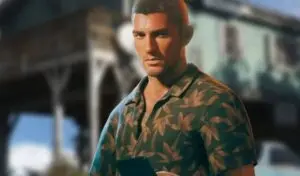
The controversy erupted when ABC cut to a commercial break during the first game. Viewers were shown what was supposed to be an animated version of San Antonio Spurs legend Tony Parker celebrating his 2003 NBA championship victory. Instead, many fans described the result as disturbing and unnatural. Social media users pointed out that the AI technology appeared to distort Parker’s facial features, creating an image that bore little resemblance to the former point guard. One viewer posted on X asking why ESPN would use AI when they have access to actual photographs and video footage of the moment.
The criticism intensified as more fans weighed in on the graphic. Another social media user wrote that upon seeing the image during the broadcast, they questioned whether it was even supposed to be Parker. The negative feedback spread rapidly across multiple platforms, with many questioning the network’s decision-making process. ESPN possesses decades of NBA footage and photography in its archives, leading many to wonder why the network felt compelled to use artificial intelligence to recreate moments that were already captured on camera.
Saiba mais: JPMorgan Chase fires DEI executive caught dumping trash during Knicks championship parade
Other NBA legends received similar AI treatment
Parker was not the only basketball icon subjected to the AI animation process. ESPN also created moving portraits of Boston Celtics legend Bill Russell and Los Angeles Lakers great Kobe Bryant. The network applied the same technology to photographs of these Hall of Famers, attempting to animate historic images from their careers. However, the reception to these graphics appeared equally lukewarm among viewers who saw them during the broadcast.
- The AI portraits debuted during Game 1 of the NBA Finals between the Knicks and Spurs.
- Social media users criticized the distorted appearance of Tony Parker’s animated image.
- Bill Russell and Kobe Bryant also received the AI animation treatment.
- ESPN executives quietly removed the graphics after Game 1.
- The network has not committed to using the technology in future broadcasts.
The decision to feature deceased legends like Russell and Bryant in AI-generated content raised additional concerns among some viewers. While the network likely intended to honor these basketball greats, the execution of the technology led to questions about the appropriateness of digitally manipulating images of deceased athletes without explicit prior consent or family approval.
Network executives evaluate future of AI in sports broadcasting
ESPN’s quick pivot away from the AI portraits demonstrates the network’s responsiveness to viewer feedback. A network representative confirmed that management is conducting a thorough evaluation of whether to continue experimenting with AI-generated graphics in sports coverage. The technology represents part of a broader industry trend toward incorporating artificial intelligence into various aspects of media production and broadcasting.
Veja Também
MEC e Inep mobilizam rede de professores estaduais para fortalecer Enem 2026 e avaliação do ensino médio

Hospitais federais do Rio de Janeiro recebem investimentos bilionários e ampliam serviços em 44%

Glória Menezes: a icônica atriz que moldou a dramaturgia brasileira com seis décadas de arte
The incident highlights the challenges networks face when attempting to integrate new technologies into live sports coverage. While AI tools continue to advance rapidly, viewer acceptance remains a crucial factor in determining which innovations succeed in broadcast environments. ESPN’s experience with the animated portraits suggests that audiences still prefer traditional photography and video footage over AI-generated recreations, particularly when high-quality archival material already exists.
No mesmo tema: Josh Hart explains how Spurs lost Finals before first game against Knicks even started
Growing concerns about AI in sports media
This is not the first time artificial intelligence has generated controversy in sports broadcasting. NBC Sports previously announced plans to use an AI-generated voice of former narrator Jim Fagan for NBA coverage, sparking debate about the ethics of digitally recreating voices and likenesses. The ESPN incident adds to ongoing discussions about appropriate applications of AI technology in media and entertainment.
The rapid development of AI tools has created new possibilities for content creation, but also raised questions about quality control and viewer preferences. Networks must balance innovation with maintaining the trust and satisfaction of their audiences. In this case, ESPN’s decision to experiment with AI-generated portraits during one of basketball’s biggest events may have backfired, as viewers clearly preferred seeing actual archival footage and photographs rather than digitally altered versions.
Social media amplifies viewer criticism
The speed at which criticism spread across social media platforms played a significant role in ESPN’s decision to pull the graphics. Within hours of the first broadcast, negative reactions appeared on X, Facebook, and other platforms. Users shared screenshots and video clips of the AI portraits, often accompanied by critical commentary. The collective response demonstrated how social media has transformed the relationship between broadcasters and their audiences, providing immediate feedback that can influence programming decisions in real time.
Mais sobre o assunto: NYPD officers fail to recognize Knicks guard Tyler Kolek during championship parade celebration
The incident serves as a reminder that even major sports networks with substantial resources and technical expertise can misstep when introducing new technologies. ESPN’s willingness to quickly reverse course suggests the network values viewer satisfaction over commitment to experimental features. As the Finals continue, fans can expect to see traditional graphics and footage rather than AI-generated animations when the broadcast pays tribute to basketball legends and historic moments.