

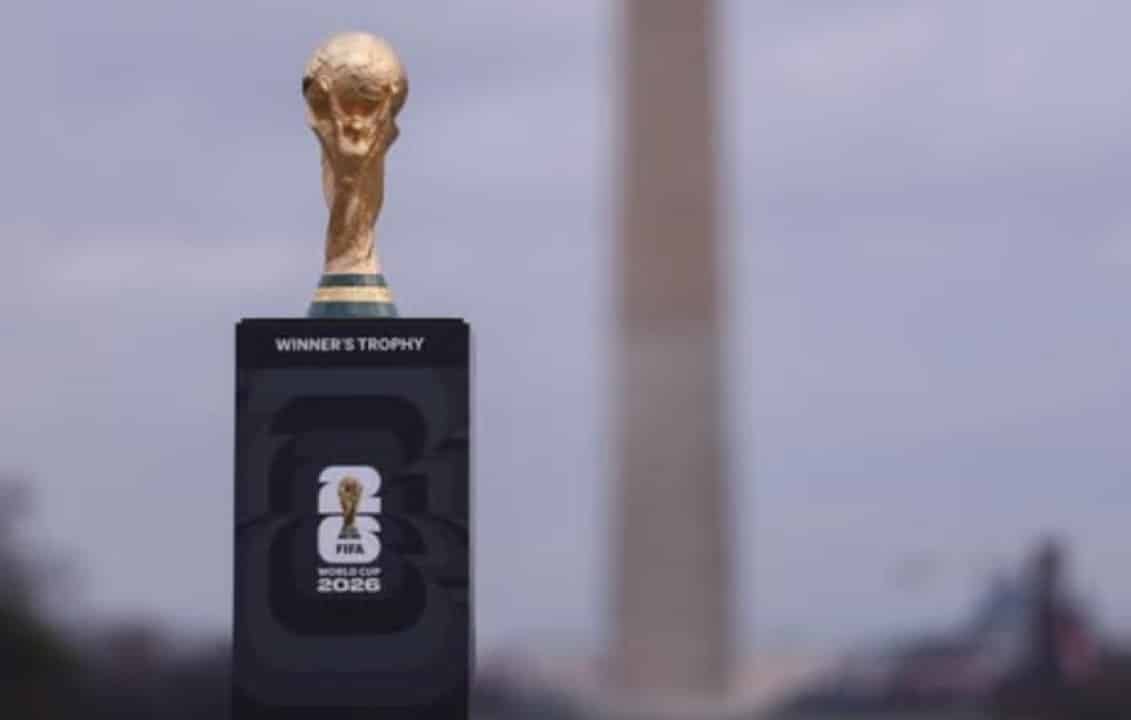
The 2026 World Cup will feature 48 teams divided into 12 groups. The expanded format increases the chances of ties in the standings after the three rounds of the initial phase. FIFA maintains clear criteria to resolve situations of equal points and avoid controversies.
Goal difference appears as a decisive element in several historical scenarios. At the 2022 World Cup, Mexico beat Saudi Arabia 2-1 in the last round of Group C, but were left out of the knockout stage. The Mexican team finished with a negative goal difference of one, while Poland advanced with a zero goal difference despite the defeat to Argentina.
Initial criteria prioritize offensive performance
The first rule applied is the total number of points scored in the three matches. When two or more teams are equal on this score, the overall goal difference in the group stage comes into play. This criterion measures the difference between goals scored and conceded in all games.
Then, count the absolute volume of goals scored. Spain surpassed Portugal in Group B in 2018 precisely because they scored six times against their rival’s five, although both had five points and the same positive difference of one goal.
- Highest number of points in the group
- Best goal difference in all matches
- Most goals scored in total
Fair play decides rare ties
If the three criteria above do not resolve equality, FIFA resorts to disciplinary behavior by teams. Each yellow card costs one negative point. An indirect red card is worth three points less. Direct red represents minus four points. The combination of yellow and direct red adds five points less.
Japan advanced in 2018 against Senegal thanks to a better fair play score. The two teams had four points, zero balance and four goals scored. Senegal accumulated two additional yellow cards and ended up eliminated. It was the first elimination using this criterion in the history of the World Cup.
Teams that still remain tied after fair play are ranked by the most recent FIFA ranking. The 2026 tournament, with more teams, should increase the incidence of these tiebreakers in the dispute for the two direct places per group and the eight best third-placed teams.
Past examples show the importance of tiebreakers
Mexico suffered in practice in 2022. Even with a victory at the end, the goal difference prevented classification. A 2-0 victory against Saudi Arabia would also not be enough because of the accumulated cards. Poland passed with a better balance.
In 2018, Japan avoided the worst-case scenario by maintaining superior discipline. Direct confrontation was not included as the main criterion in the regulations at the time. The expansion to 48 teams in 2026 reinforces the need for full attention from the first round.
Technical details of the FIFA regulations
The complete step-by-step guide always starts with the points. Then come goal difference and goals scored. If necessary, the balance and goals are applied again only between the tied teams. Fair play and the FIFA ranking close the sequence.
Coaches and players need to monitor not just results, but also cards. A solid defense helps the balance, while the attack increases the number of goals. Discipline avoids penalties that can be costly in the end.
The unprecedented format of 12 groups requires greater strategic planning. Favorite teams cannot falter against direct opponents. Smaller teams have room to surprise and advance based on efficiency.
Impact on selection planning
Physical trainers and technical committees are already studying these scenarios. Trainings include scoreboard simulations and card control. Performance analysts monitor fair play in real time during games.
The fair play rule, introduced to encourage fair play, has gained practical relevance. Teams that avoid unnecessary fouls preserve an advantage in possible triple or quadruple draws.
The 2026 World Cup promises more balance in the group stage precisely due to the number of participants. Tiebreakers ensure that technical and disciplinary merit prevails over luck or subjective interpretations.