

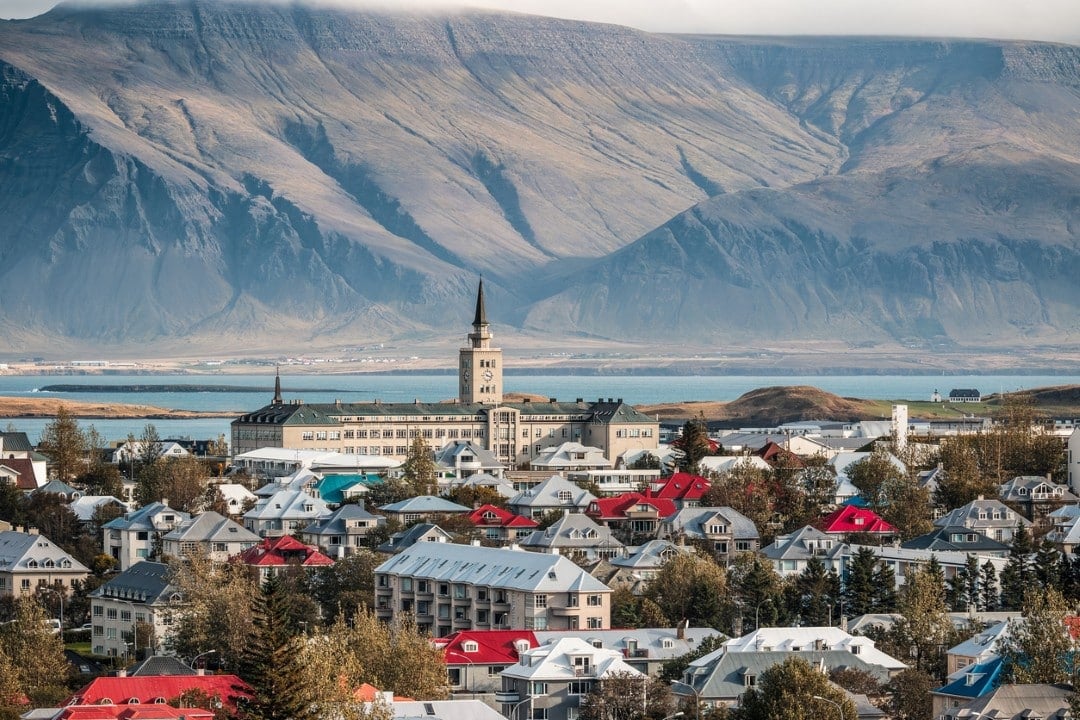
There are currently more active armed conflicts than at any time since World War II. Residents of Iceland, New Zealand and other countries highlight the characteristics that make their nations so peaceful.
According to the most recent Global Peace Index, the world has become less peaceful than the previous year. Overall peace worsened in 99 countries, marking the 12th consecutive year of global decline. Even so, a small group of nations continues to stand out positively.
“Despite this catastrophic drop, it didn’t really affect the countries at the top,” said Steve Killelea, founder and executive president of the Institute for Economics and Peace, responsible for creating the index in 2007.
The index evaluates 163 nations based on 23 indicators, which include everything from military spending and ongoing conflicts to homicide rates and perceptions of security. The best placed places tend to have low levels of violence, efficient institutions, high social trust, good relations with neighbors and a high quality of life.
We spoke to residents of the five safest countries in the world to understand how this security manifests itself in everyday life, what helps maintain it and how travelers can also feel some of this tranquility and stability.
1. Iceland
Iceland has occupied the first position in the index since 2008 and continues to be the safest country in the world for the 19th consecutive year. Its score rose 2% in 2026, thanks mainly to the strong reduction in violent demonstrations, and the country remains prominent in security, with few conflicts and low militarization.
The top 10 nations in the 2026 Global Peace Index are:
- Iceland
- New Zealand
- Switzerland
- Slovenia
- Ireland
- Austria
- Portugal
- Singapore
- Finland
- Japan
“Peace appears in every corner in Iceland, both in the surrounding nature and as a conscious choice present in our close-knit communities,” commented Oddný Arnarsdóttir, director of Visit Iceland. She links this to a deep commitment to equality, including gender parity — an area in which Iceland consistently leads the world — as well as strong public services and extensive use of renewable energy.
This commitment goes beyond public policies, with residents highlighting strong social cohesion and collective responsibility. “We are fully aware of how privileged we are to experience this sense of peace,” said Arnarsdóttir. “This reinforces the need to preserve an open and inclusive society.”
The remote location also weighs heavily. “Iceland’s geographic isolation means it is less involved in global tensions,” explained Eyrún Aníta Gylfadóttir, marketing manager at Hotel Rangá. “The vast open landscapes, towering mountains, clean air and abundance of fresh water are essential to the quality of life here.”
To experience Iceland’s calmer pace, Arnarsdóttir suggests slowing down and spending time outdoors rather than rushing between attractions. The country’s thermal bath culture should be among the priorities. Iceland has more than 120 geothermal pools, ranging from luxurious spas to neighborhood pools where residents meet year-round. “Experiencing the calm of Iceland has a direct link to well-being,” said Arnarsdóttir. “Whether through geothermal bath culture, time in nature or simply creating space to disconnect.”
Visitors should also explore beyond the most famous spots. Arnarsdóttir points out the more than 220 museums spread across the country, including the National Museum in the capital and the Museum of Icelandic Sea Monsters in the Westfjords. “I love our quirky museums,” she said. “These spaces help to pass on local stories and traditions, as well as encouraging people to travel more and discover other regions of Iceland.”
2. New Zealand
Ranked second (up from third in 2025), New Zealand is the safest country in the Asia-Pacific region, with the lowest score of ongoing conflicts in the area. This improvement came mainly from the reduction in weapons imports, and the country continues to be among the safest and least militarized nations on the planet.
Much of this peace comes from geography. “Being so far away from it all means New Zealand largely avoids the geopolitical confusion that embroils other nations in conflict,” said Warwick Woodley, New Zealander and founder of NZ Golden Visa. But he also identifies cultural elements. People tend to be relaxed and direct, he said, “generally more interested in solving things than creating problems.”
Security is so present that it is almost unnoticeable. “Most people don’t think about it much, which is probably the best sign that overall it’s not a concern,” Woodley commented. “Guns are not part of everyday life here and after Christchurch the laws became even stricter.” Neighborhoods still function as communities, where people know and care for each other. “This sense of responsibility gains importance in a country of five million inhabitants, where anonymity is more difficult.”
Its sparse population also guarantees easy access to nature. “Mountains, beaches and forest trails are within reach depending on where you are,” Woodley said. “Life doesn’t always seem to be running away from you, like it does in some bigger, busier countries.”

3. Switzerland
Switzerland rose from fifth place last year to third in 2026, combining low crime rates with a long-standing policy of military neutrality, which keeps it among the safest countries in the world.
“People seem willing to make space for each other around here,” said Cornelia Choe, an executive coach and writer based in Geneva. “It builds a sense of trust, the certainty that people in general will do the right thing and that everyday life works for the most part as it should.”
Perhaps this is what peace really means: not the absence of differences, but a shared commitment to finding ways to live well with them — Cornelia Choe
This confidence appears frequently in everyday situations. Choe recalls losing his wallet twice in Switzerland. The first time, a stranger returned it by mail within a few days, with the money intact. Years later, when she dropped her credit card at a train station, whoever found it contacted the bank directly to cancel the card and protect her from fraud. “These are small moments, but they leave a lasting mark and create a sense of security that is priceless,” she said.
To appreciate the peace that exists in the country, visitors should embrace Switzerland’s strong work-life balance. Many businesses close for two hours at noon, for example. It’s also worth appreciating the four official languages and distinct regional identities. “Societies don’t need to agree on everything to become stronger,” Choe said. “I’ve seen a tendency to look for compromises and practical solutions that allow people to move forward together. Maybe that’s what peace really means: not the absence of differences, but a shared commitment to finding ways to get along with them.”

4. Slovenia
Slovenia, which enters the top five of the index for the first time, has its good performance supported by low military spending and high levels of security.
Whatever you do in Slovenia, you will be impressed by the warm hospitality of the people – Jerneja Zver
“Slovenes place great importance on community and spend a lot of time in nature, which I believe brings us calm and stability,” said Jerneja Zver, who lives in Ljubljana and manages Intrepid Travel’s Eastern European operations. Zver says he dedicates most of his weekends outdoors, hiking, biking, skiing or meeting friends and family. According to her, the strong cultural emphasis on work-life balance opens up more space for relationships that reinforce a sense of belonging.
“With the conflicts and uncertainties affecting many parts of the world right now, I feel very lucky to be able to call Slovenia home,” said Zver. “I appreciate the little things that I might have previously taken for granted, knowing that I can go about my day to day safely and without fear.”
More content like this: • The happiest countries in the world in 2026 • Discover the best countries in Asia for expats • Five new rules for traveling smarter this summer
To enjoy everything the country has to offer, Zver recommends spending more than a weekend in Ljubljana. “Come for a week,” she suggested. This could include rafting on the Soča River, visiting the Vintgar Gorge waterfalls near Bled, or a bike ride through the alpine pastures. “No matter what you do in Slovenia, you will be impressed by the warm hospitality of the people, the stunning landscapes and nature,” said Zver. “And, of course, the great food.”
5. Ireland
Ranked fifth, Ireland scores highly thanks to low levels of violence and limited involvement in international conflicts.
For a country marked by its turbulent past, this sense of security is not a given. “Ireland’s historical experience as a nation makes its people acutely aware of the dangers of prejudice and the importance of being generous and welcoming to others,” explained Didi Ronan, founder of the Native regenerative hotel in West Cork.
Ronan attributes this culture of hospitality to the Brehon laws, which were in effect in Ireland for much of the first millennium and required food and shelter for strangers and travelers. “It’s in our DNA,” she said.
Ireland’s tradition of neutrality gives this sense of peace an international dimension, as the country does not participate in wars or external military alliances. “In times of global volatility and uncertainty, there is something comforting about being on a remote island in the Atlantic, with good music, walks and books,” said Ronan.
“We are grateful for this privilege in light of the great suffering and injustice experienced by so many people in the world today, which reflects our own national experience.”
For visitors, the quickest route to the quiet side of Ireland is through nature, whether it’s a forest walk or coastal adventure. Ronan recommends taking the ferry to Cape Clear Island, exploring the medieval ruins at Three Castle Head or visiting the Drombeg stone circle near Glandore.