

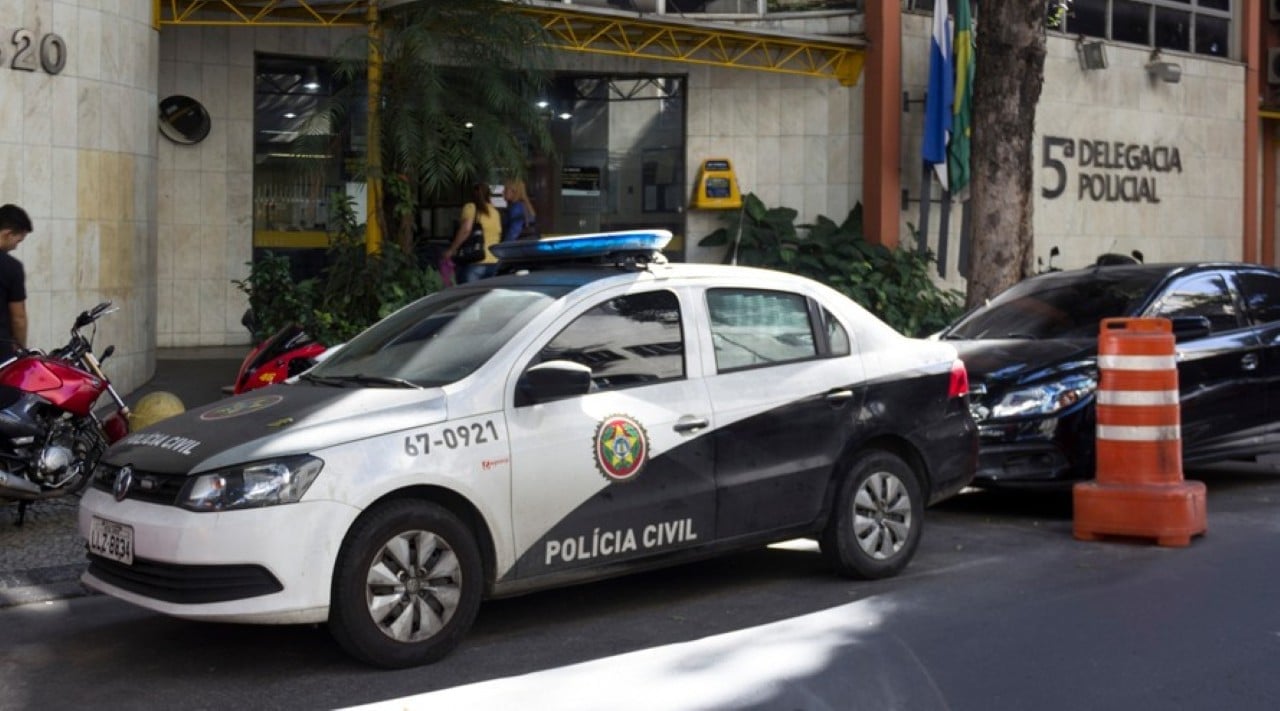
The Rio de Janeiro Civil Police began collecting statements from witnesses in the investigation into the suspected poisoning of 11-year-old Arthur de Mello da Silva. The boy remains hospitalized in serious condition at the Ricardo Cruz State Hospital, in Nova Iguaçu, Baixada Fluminense.
According to family members, Arthur fell ill on the night of June 1st, after arriving from school at his father’s house, in São João de Meriti. He reportedly ate a piece of chocolate cake found in his backpack. The boy developed serious symptoms, including cardiac arrest, and was rushed to medical attention. Initial examinations indicated signs compatible with poisoning by lead pellets, an illegal rodenticide.
Health status and evolution
The boy remains intubated and unconscious, with brain swelling. The father, Ademir de Mello, reported a slight improvement in the swelling, but the situation is still delicate. Arthur has been in intensive care since the beginning of June.
The mother, Lidiane da Silva, has accompanied her son in the hospital and demanded speedy investigations. The parents are separated and the boy had spent the previous weekend with his mother.
Investigation underway
The 64th DP (São João de Meriti) is handling the case. In addition to the ongoing statements, the police are awaiting definitive toxicological, medical and expert reports. No hypothesis has been ruled out, including the possibility of accidental or intentional poisoning. Agents carry out investigations to clarify the origin of the cake.
Chumbinho, a substance banned in Brazil, is commonly associated with cases of domestic poisoning in the region, which reinforces the need for rigorous investigation to protect other children in similar situations.
What changes in practice
Cases like this highlight the risks in family disputes and the importance of rapid police and medical intervention. The investigation can determine whether there was a crime and reinforce protection measures for minors in contexts of parental separation.