

A new medicine called apitegromab can help people who use injections to treat obesity to avoid unwanted loss of muscle mass, related to the phenomenon known as “Ozempic butt”, according to a study published in the scientific journal Nature Medicine.
Research conducted in the United States shows that around a third of the weight loss generated by GLP-1 class drugs, such as Wegovy and Mounjaro, occurs at the expense of muscle mass, and not just body fat.
In the study, which included 102 adults, most of them women, participants who received apitegromab along with obesity treatment maintained more muscle mass, without compromising fat loss, according to body image exams.
Experts, however, highlight that additional studies are still needed to confirm the effectiveness and safety of the drug before its use can be widely recommended.
‘Ozempic Butt’
People using medications such as Ozempic, Wegovy, and Mounjaro may experience marked loss of fat, muscle mass, and tissue volume as they lose weight.
This effect is believed to be linked to accelerated weight loss, and not directly to the medications themselves.
So-called weight-loss pens to treat obesity reduce appetite and prolong the feeling of satiety, causing the person to eat less and lose weight.
Unlike fat, however, muscle mass is more difficult to recover quickly.
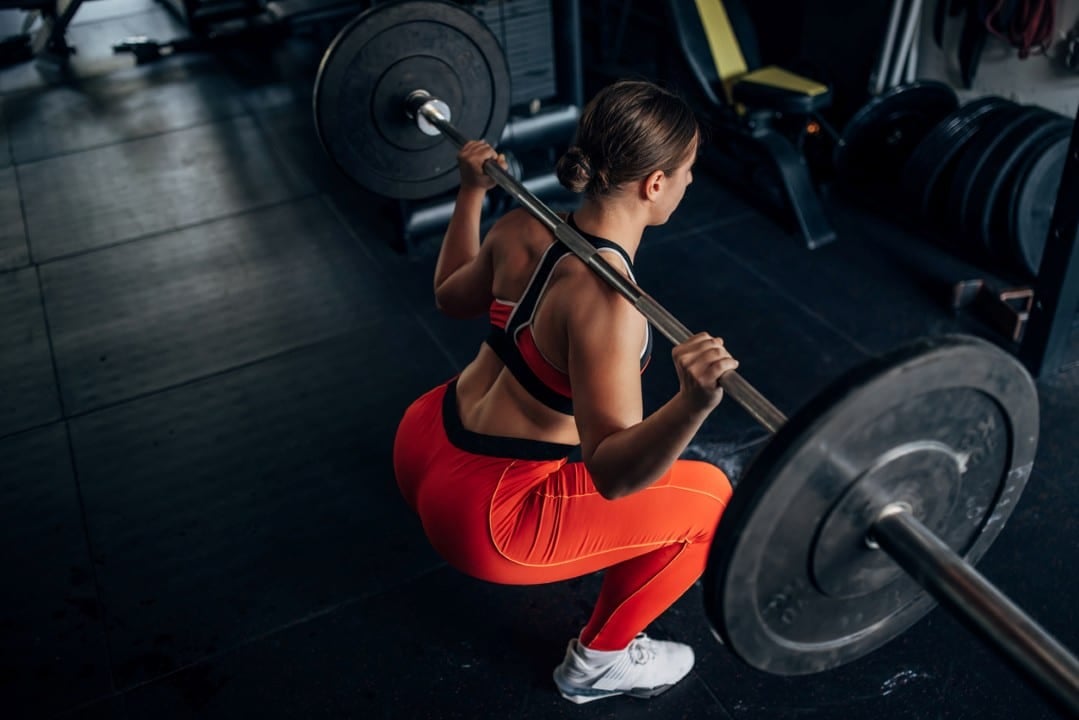
Although it is not a medical diagnosis, some users report changes in their body shape, such as a flatter or sagging butt — a phenomenon that has become popularly known as the “Ozempic butt.”
Plastic surgeons in the United States report a significant increase in demand for consultations related to this effect.
People who use GLP-1 class drugs are already advised to maintain a healthy diet and practice physical exercise, including strength training, to help preserve muscle mass.
These medications are not designed for short-term weight loss or aesthetic purposes. Health experts also advise against its use as a quick solution to achieve a so-called “summer body”, although they recognize that many people use it inappropriately.
What is this new medicine?
Currently, apitegromab is only available for use in clinical trials and must be administered directly into the vein, via infusion.
The company responsible for the medicine — which also financed the study — is investigating whether it could be applied by the patient himself, using a special injector pen, similar to those used in GLP-1 medicines.
Apitegromab works by blocking a protein involved in the breakdown of muscle mass and is also being studied to treat other medical conditions that affect muscles, such as spinal muscular atrophy.
In the obesity study, which lasted six months and used the drug Mounjaro, participants who also received apitegromab maintained approximately 1.9 kg more muscle mass — or approximately 55% more lean mass.
Lean mass represented 14.6% of total weight loss in the group that received apitegromab, compared to 30.2% in the placebo group, which used only Mounjaro.
Professor Marie Spreckley, an expert not involved in the study, said the results were promising but should be seen as “encouraging early evidence” rather than definitive proof of clinical benefit.
She recommends further studies, over a longer period, to assess whether preserving muscle mass really improves strength, well-being and long-term health outcomes.
Professor Brendan Gabriel, a health and nutrition specialist at the University of Aberdeen, stated that the treatment may not be suitable for all GLP-1 users, but may benefit those who experience more accelerated muscle loss.
How to gain muscle mass
You don’t need to go to the gym to do a strength workout. Any activity that makes your muscles work harder than usual counts as muscle strengthening.
This type of exercise increases muscle strength, size, power and endurance.
The recommendation of the British Health Service (NHS) is to start slowly and evolve gradually.
Ideally, try to do two or more workouts per week, which may include:
- weight lifting
- exercises with resistance bands
- heavy gardening, such as digging and shoveling
- climb stairs
- uphill walking
- cycling
- dance
- push-ups, sit-ups and squats
- yoga
Nutrition, especially adequate protein intake, is also essential.
Research indicates that consuming between 20 and 40 grams of protein per meal helps maintain or increase muscle mass.
As a reference, it is recommended to fill about a quarter of your plate with foods rich in protein, such as meat, fish, beans, lentils or chickpeas, at every meal.
Protein-rich snacks include yogurt, hard-boiled eggs and nuts.