

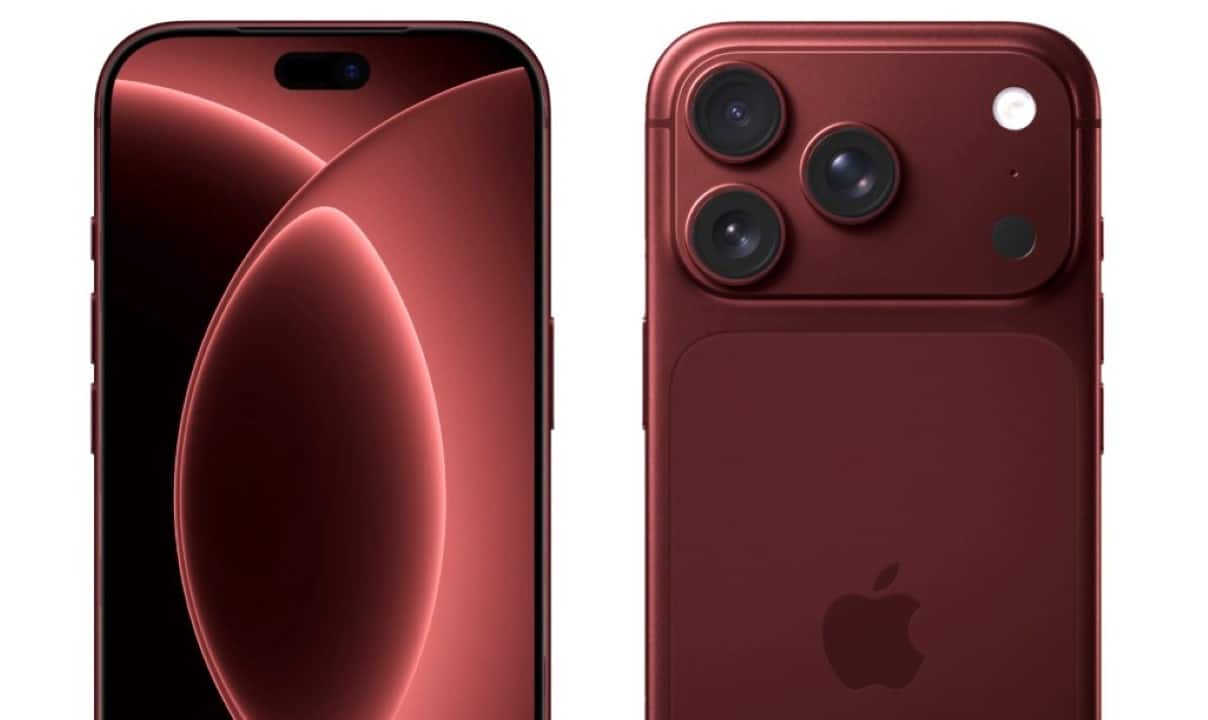
Apple has officially announced the arrival of a new smartphone on the global market, breaking a design pattern maintained by the company over the last decade. The equipment’s biggest difference is the completely translucent rear casing, combined with a significant increase in load capacity. This aesthetic change allows users to observe the phone’s internal circuits, an engineering choice that revives the visual identity of the iconic iMac G3 computers launched in the late 1990s, now adapted for the mobile segment.
The introduction of the device responds to public demand for aesthetic innovations and greater autonomy away from chargers. The engineering team at the headquarters in Cupertino had to completely restructure the main board and internal components so that the technological showcase conveyed organization and symmetry. The new format required unprecedented assembly techniques, as any manufacturing flaw, such as remnants of stickers or out-of-place wires, would be exposed to the consumer as soon as they removed the product from the box.
Aerospace titanium chassis and reinforced glass panel
The manufacturer chose an aerospace-grade titanium alloy to support the new transparent back. This metal replaces the aluminum and stainless steel present in previous lines, delivering a much more efficient ratio between durability and lightness. The metal frame functions as the skeleton of the smartphone, shielding exposed parts from drops and everyday pressure without adding extra weight to the user’s pocket.
The glass back plate requires complex manufacturing to combine physical strength and visual clarity. The material receives a special chemical bath focused on repelling fingerprint marks and avoiding scratches, common challenges in cell phones with a polished finish. During the assembly phase, optical readers analyze every millimeter of the glass to identify microcracks that are imperceptible to human vision, immediately discarding units that do not comply with the factory’s strict quality control.
The marriage between the premium metal and the translucent surface generates an immediate aesthetic distance from rivals in the telephone market. While the competition invests in opaque tones or rears that change color with the light, the new model transforms the engineering itself into the main attraction. The insulation between the parts was reinforced with high-density industrial polymers, guaranteeing certification against water and dust so that no dirt invades the visible compartment.
Energy evolution with new 5200 mAh battery
The advancement in autonomy is one of the technical pillars of the launch, which now has a 5200 mAh energy tank. The value represents a paradigm shift for the company, which historically used smaller cells, in the range of 3000 to 4400 mAh, and is now on par with the most robust devices on the Android system. The physical increase in the power component only occurred because the designers were able to shrink other parts and redesign the motherboard from scratch.
Apple adopted a vapor chamber cooling mechanism to control the temperature generated by the new battery and high-performance processor. The system spreads heat evenly across the entire titanium edge, preventing overheating during intense use, such as recording 4K clips or playing games with heavy graphics. Graphite plates were also distributed at critical points to facilitate constant thermal dissipation.
The fast charging technology has undergone modifications to supply the new cell without requiring long periods of time spent at the socket. The smartphone reaches a full charge in less than 60 minutes when connected to high-voltage power sources. Additionally, the operating system monitors the owner’s routine to pace energy input during sleep, a tactic that preserves the chemical health of lithium ions over the years.
2-nanometer chip focusing on local artificial intelligence
The electronic brain of the equipment is a chip built using 2-nanometer lithography, an unprecedented feat in the semiconductor market. Shrinking transistors ensures that more processing power is packed into a tiny area, which translates into extreme speed and battery savings. The processor works in conjunction with 12 GB of RAM, providing smooth browsing even with dozens of tools running in the background.
The silicon structure was specifically designed to perform artificial intelligence tasks natively. The built-in neural engine solves complex calculations without needing to connect to cloud servers, ensuring data privacy and almost instantaneous responses. This firepower unlocks access to exclusive features in the system:
- Simultaneous conversion of voice and text into different languages completely offline.
- Image editing using generative intelligence, capable of erasing elements or creating new backgrounds in fractions of a second.
- Intelligent battery control, which turns off idle network connections depending on where the user is.
- Live audio transcription in meetings, with automatic separation of each participant’s speeches.
The 2-nanometer chip temperature control works in conjunction with vapor chamber cooling. Even when pushed to the maximum by advanced language models, the processor does not suffer from heat spikes. The consumer can explore artificial intelligence tools for long periods without experiencing screen freezes or seeing the energy percentage drop quickly.
Larger OLED display and improvements to rear cameras
The front panel gained more usable space, jumping from the old 6.3 inches to a 6.9-inch OLED screen. The display’s growth occurred thanks to the extreme thinning of the dark edges, which preserved the cell phone’s ergonomics for use with just one hand. The new screen achieves much higher brightness levels, allowing comfortable reading of messages and use of GPS applications even in the midday sun.
The main photographic module now houses larger sensors, built to absorb maximum light in nighttime scenarios. Images captured in the dark exhibit less grain and superior color fidelity, a merit of the new glass lenses combined with the chip’s digital processing. The cameras also have an anti-reflective film that blocks light distortions when recording car headlights or street lamps.
The optical approach has undergone an engineering overhaul to deliver steady images over long distances. Small stabilization motors eliminate involuntary hand shake, resulting in smooth recordings and photos rich in details even when zoomed to the limit. Communication between the lenses and artificial intelligence adjusts the focus and light input instantly, making it easier to record moving objects on the streets.
Robotic production and global distribution logistics
The large-scale manufacturing of the device depends on a highly robotic industrial park, given the precision required to join the titanium to the translucent glass. High-tech mechanical arms position the internal parts to the millimeter, ensuring that the battery and circuits are visually perfect for the consumer. Human presence on assembly lines is limited to monitoring quality control panels.
Each phone faces physical stress tests and software scans before it goes into the box. Industrial cameras scan the inside of the device for any dust particles that could ruin the transparent look. Only devices that pass liquid sealing and thermal stability tests receive the seal of approval for export.
The shipping scheme for the international market requires the charter of exclusive cargo planes, which take off from Asia filled with millions of units. The company structured this complex logistics network to ensure that the debut on shelves occurs on the same day in several capitals, preventing product shortages in stores during the pre-sale phase. The operation highlights the manufacturer’s strength in sustaining the massive delivery of luxury electronics on a global scale.