

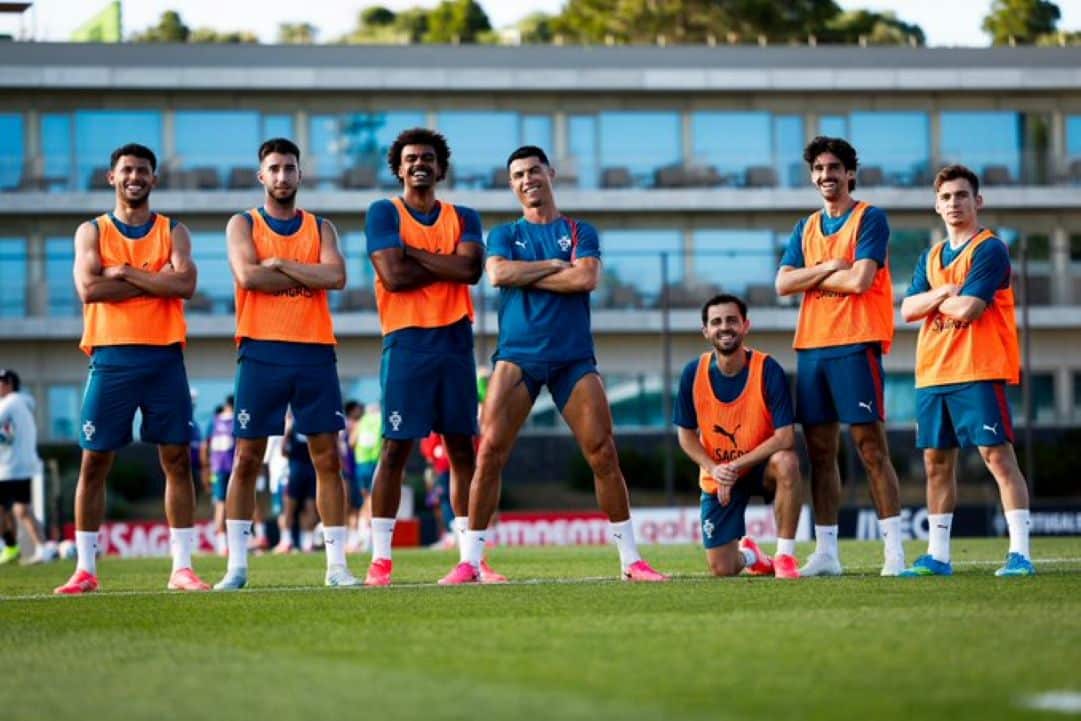
The main stars of Breton sport make incalculable fortunes in their respective teams and dominate the list of highest salaries among professionals called to compete in the FIFA tournament. Portuguese Cristiano Ronaldo occupies the absolute top of the global financial survey focused on sporting gains. The attacker guarantees an amount of approximately R$1.5 billion every twelve months through his link with Al-Nassr, a team financed by the Saudi Public Investment Fund. With this astronomical amount received in the Middle East, the veteran leaves behind any other competitor in all sports practiced on the planet, consolidating the Arab country’s project of becoming a powerhouse in global sports entertainment.
The second step on this financial podium is occupied by star Lionel Messi, who currently wears the Inter Miami shirt in the North American territory. The leader of the Argentine squad earns R$700 million annually just in direct payments made by the Florida association. Dividends generated by real estate negotiations and other shirt 10 commercial partnerships in the region are not included in this specific accounting, which focuses strictly on employment contracts. All the detailed research with the most impressive figures from the international football scene was conducted and published by experts from Forbes magazine, a global reference in fortune analysis.
Cristiano Ronaldo’s financial dominance sets global record
Cristiano Ronaldo’s paycheck in the Saudi league creates an unprecedented revenue paradigm in high-performance sport. The Portuguese idol consolidated his position as the highest paid professional on Earth, easily surpassing established stars in North American basketball, American football and golf. The margin that separates him from other competitors in the Forbes ranking impresses experts in sports economics, marking an era where Middle Eastern capital dictates the rules of the transfer market.
The volume of money transferred to the accounts of the Portuguese top scorer represents more than double the amount collected by the deputy leader of the survey. The player also has worldwide advertising contracts with sporting goods brands, hotel chains and technology companies, which multiplies his fortune far beyond the salary paid by the club. The maintenance of this monetary reality highlights the massive injection of capital promoted by the Saudi Arabian government to attract big names in sport in recent years. The European’s commercial weight works like a magnet, attracting sponsors from different continents to explore the consumer market in the Arab world and increasing the audience for local broadcasts.
Lionel Messi’s contract in the United States transforms the local market
Lionel Messi’s move to the United States league completely changed the South American icon’s earnings structure and the level of the competition itself. Argentina’s main player guarantees an annual income of R$700 million stipulated in his contract with the Major League Soccer franchise. Despite being a formidable amount by Western standards and an absolute record in the history of North American football, the amount is equivalent to less than half of what the Portuguese leader earned in the same period on the other side of the world.
Forbes magazine analysts chose to exclude the Argentine’s vast portfolio of assets to standardize the methodology of this season’s official list. The athlete owns a collection of luxurious properties and shares in companies in the trendy metropolitan region of Miami. Such parallel income was left out of the sum of earnings strictly linked to sports. The business format of the North American competition offers unprecedented shares in subscriptions to Apple TV streaming packages and percentages in the sale of Adidas shirts, which guarantees a golden and continuous long-term retirement for the star.
Kylian Mbappé and Erling Haaland lead the renewal of millionaires
The youngest talents on the European continent have already secured their place in the select group of the greatest fortunes in global sport, indicating a generational transition at the top of the financial pyramid. French star Kylian Mbappé is in third place in the payment ranking among professionals selected for the World Cup. The sprinter accumulates an annual income of R$478 million, including his substantial image rights and the fixed salary paid by Real Madrid, the team he defends in Spain after his departure from French football.
Goalscorer Erling Haaland comes next, occupying fourth place with a significant revenue of R$428 million throughout the year. The Norwegian representative has achieved gigantic commercial status thanks to his impressive record breaking goals in English football wearing the Manchester City shirt. A curious detail involves veteran Karim Benzema, who had enough salaries in Saudi Arabia to take third place overall in the survey. The Frenchman ended up excluded from the current survey simply because he did not receive the coach’s call to join his country’s team in the FIFA tournament.
- Cristiano Ronaldo (Portugal) – R$1.5 billion every twelve months
- Lionel Messi (Argentina) – R$700 million per season
- Kylian Mbappé (France) – R$478 million in annual earnings
- Erling Haaland (Norway) – R$428 million in revenue
- Vini Jr. (Brazil) – Fifth place in the global survey
Vini Jr. guarantees Brazil’s presence in the sport’s financial elite
Winger Vini Jr. takes on the responsibility of representing Brazilian football on the restricted list of the five highest-paid athletes in the world. The talent revealed in Rio de Janeiro and an idol in the Spanish capital achieved fifth place in the annual fundraising table prepared by finance experts. It consolidated itself as the most valuable and coveted Brazilian brand in the international advertising market during this cycle of national team competitions, attracting sponsorship from multinationals from different sectors.
Analysis of the nationalities present at the top of the ranking reveals a strong decentralization of money in high-level football. No country managed to achieve two representatives among the top ten in the monetary survey. This equal division of places illustrates the internationalization of the sport and the constant search by clubs for idols capable of engaging different consumer markets around the planet. Large sporting institutions concentrate colossal budgets on key pieces that deliver results on the field and guarantee a massive return on global marketing campaigns, sales of licensed products and attracting new fans.