
Technetium-99 incident at USP: understand the radioactive material and its medical importance in the country

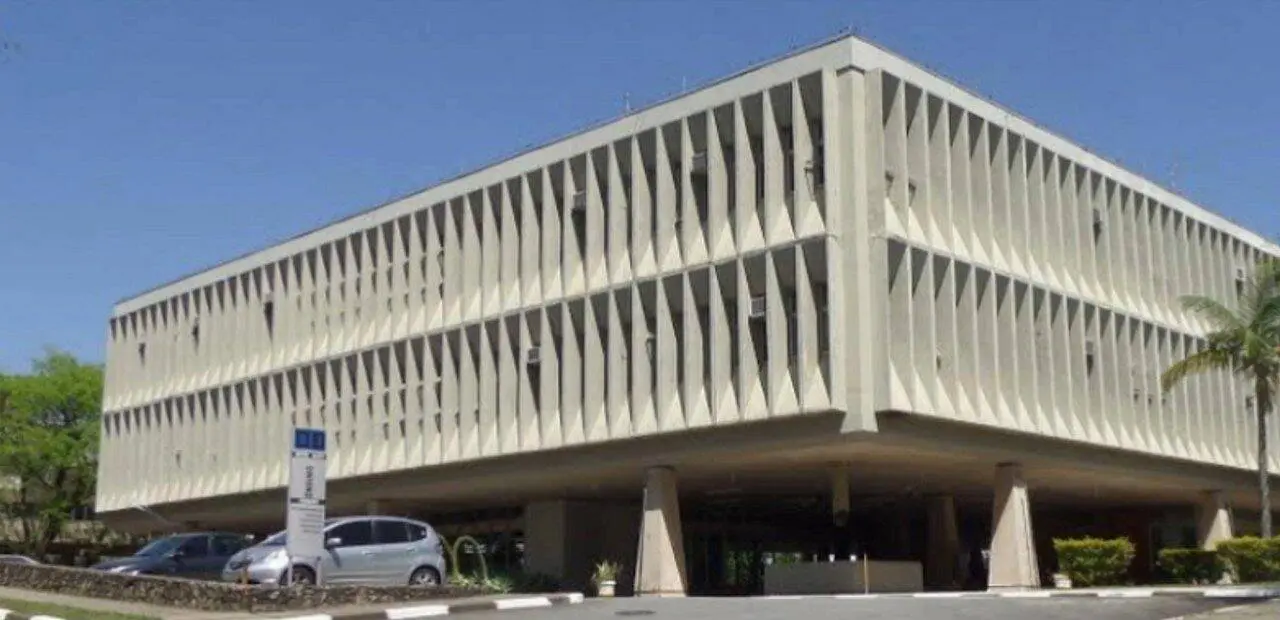
An incident involving radioactive material was recorded in one of the units of the Institute for Energy and Nuclear Research (Ipen) in São Paulo, involving two professionals from the institution. The fact generated concern given the crucial role of the institute in Brazilian health.
The incident occurred on May 29th and its confirmation was released on Thursday night (11/6) by the National Nuclear Energy Commission (CNEN). The Ipen installation is located on the campus of the University of São Paulo (USP).
According to information released by CNEN, the episode involved the detection of traces of technetium-99. The presence of the substance was noticed during the process of removing biological sensors from an autoclave, an essential piece of equipment in the manufacture of compound radiopharmaceuticals used in diagnostic tests and cancer therapies.
The situation took place specifically at the institute’s Radiopharmacy Center. This division is responsible for the development and distribution of a wide range of radiopharmaceuticals essential for imaging procedures and oncological treatments in hospitals, clinics and research centers throughout Brazil. The uninterrupted supply of these materials by Ipen is vital, as the interruption could impact millions of patients annually who depend on these diagnostics and therapies for their treatment.
More on this story: Radioactive risk: capsule containing dangerous material disappears and mobilizes authorities in Argentina
Also according to the CNEN note, the two employees involved, classified as Occupationally Exposed Individuals (IOEs), were subjected to specialized exams, such as the Full Body Counter.
The results of these tests indicated that the amounts of radioactivity detected were minimal, confirming that there was no internal contamination in the workers. The contamination was restricted to the controlled area of the institute’s Radiopharmacy Center, ensuring that it did not spread outside the restricted environment.
Ipen plays an irreplaceable role by supplying 430 clinics and hospitals across the country, enabling around 2 million medical procedures each year. Most of these interventions are directly linked to the diagnosis and treatment of patients fighting cancer.
After the incident, the internal report detailing the incident was sent for evaluation by the National Nuclear Safety Authority (ANSN), the regulatory body responsible for nuclear supervision in the country.
The National Nuclear Safety Authority (ANSN) informed, in a statement, that the Ipen Radiopharmacy Center has a valid and active operating license.
In its inspection and regulatory monitoring activities for licensed facilities, ANSN issued a notification, establishing a deadline of June 18, 2026 for Ipen to comply with the requirements presented.
Full coverage: Latest News (EN)
This notification guarantees the institute the right to adversarial proceedings and full defense. Any additional measures will only be determined after an in-depth technical analysis of the information and documents that will be presented by Ipen.
The disclosure of the details of the incident occurred after the Union of Workers in the Federal Public Service in the State of São Paulo (Sindsef-SP) and the Association of Ipen Servers (Assipen) officially requested information from the institute’s management and CNEN about what happened and the actions taken.
Understand technetium-99: the radioactive substance in question
Technetium, represented by the chemical symbol Tc, is a silvery-gray radioactive metallic element in the periodic table.
According to the US Environmental Protection Agency (EPA), technetium is found in tiny quantities in nature, in the Earth’s crust, but its large-scale production occurs primarily in specialized laboratories.
The technetium-99 isotope is generated during the operation of nuclear reactors and is also a residue of atomic weapons detonations.
Technetium-99m is a variation of Tc-99 with a shorter shelf life. This specific form is widely used as a diagnostic tool in medicine, as it does not persist for a long period in the human body or the environment.
Technetium-99m represents the most widely used medical isotope globally, acting as an essential radioactive tracer for the diagnosis of various health conditions.
When injected into patients, special cameras are used to capture images, allowing visualization of the presence of technetium in the body and helping to identify anomalies.
More news in Latest News (EN)
See more → XBOX lets players convert physical discs into digital copies
 Apple unveils first foldable iPhone Duo priced at $1,999
 California advances parole review for Erik and Lyle Menendez
 Apple launches iPhone 18 and foldable Duo device in CupertinoRutgers coach Steve Pikiell announces cancer battle, Brandin Knight steps in as interim leaderIsrael’s E1 construction plan ignites global diplomatic storm, prompting UK sanctions and widespread international trade restrictionsNaomi Osaka defends U.S. Open outfit choices, citing Haitian heritage and broader impact on future athletes
 Crash Bandicoot turns 30 as Spyro marks 28th anniversaryFoldable iPhone Duo arrives as Apple sets price at $1,999
 Apple raises prices on iPhone 17 and existing devices by $100
 Apple schedules October market debut for new iPhone Duo
 Japan fossil reveals 3-meter dinosaur beside 8-meter giant
More news on Mix Vale
- 1Laser hardware line adds AURA 3 with 120 Hz gaming setup
- 2Laser projector AURA 3 debuts with 4K resolution at 120 Hz
- 3Mars rover finds organic carbon in ancient Jezero Crater rocks
- 4Perseverance finds ancient organic carbon inside Jezero rocks
- 5US imposes new trade restrictions on Canadian goods following retaliatory tariffs
- 6Fossils of two prehistoric sharks emerge inside Mammoth Cave
- 7Apple confirms official iPadOS 27 debut for September 14
- 8Telephoto lens sets Samsung Galaxy S25 FE apart from A57
- 9Gurman leaks four finishes for the upcoming iPhone 18 Pro
- 10New iPhone 18 Pro palette expands lineup with four colors